No Matter How Much You Love It, These 5 People Should Stay Away from Jackfruit
Jackfruit is one of the most beloved tropical fruits. Sweet, fragrant, and filling, it’s enjoyed fresh, dried, cooked, or even used as a meat substitute. Packed with carbohydrates, fiber, and natural sugars, jackfruit provides quick energy and a satisfying texture.
However, “natural” does not always mean “safe for everyone.” Because jackfruit is dense in calories, sugar, and certain bioactive compounds, it may not be suitable for some people. In specific cases, eating jackfruit can worsen existing health conditions rather than support wellness.
Here are five groups of people who should be cautious with jackfruit — or avoid it altogether.
1. People with Diabetes or Unstable Blood Sugar
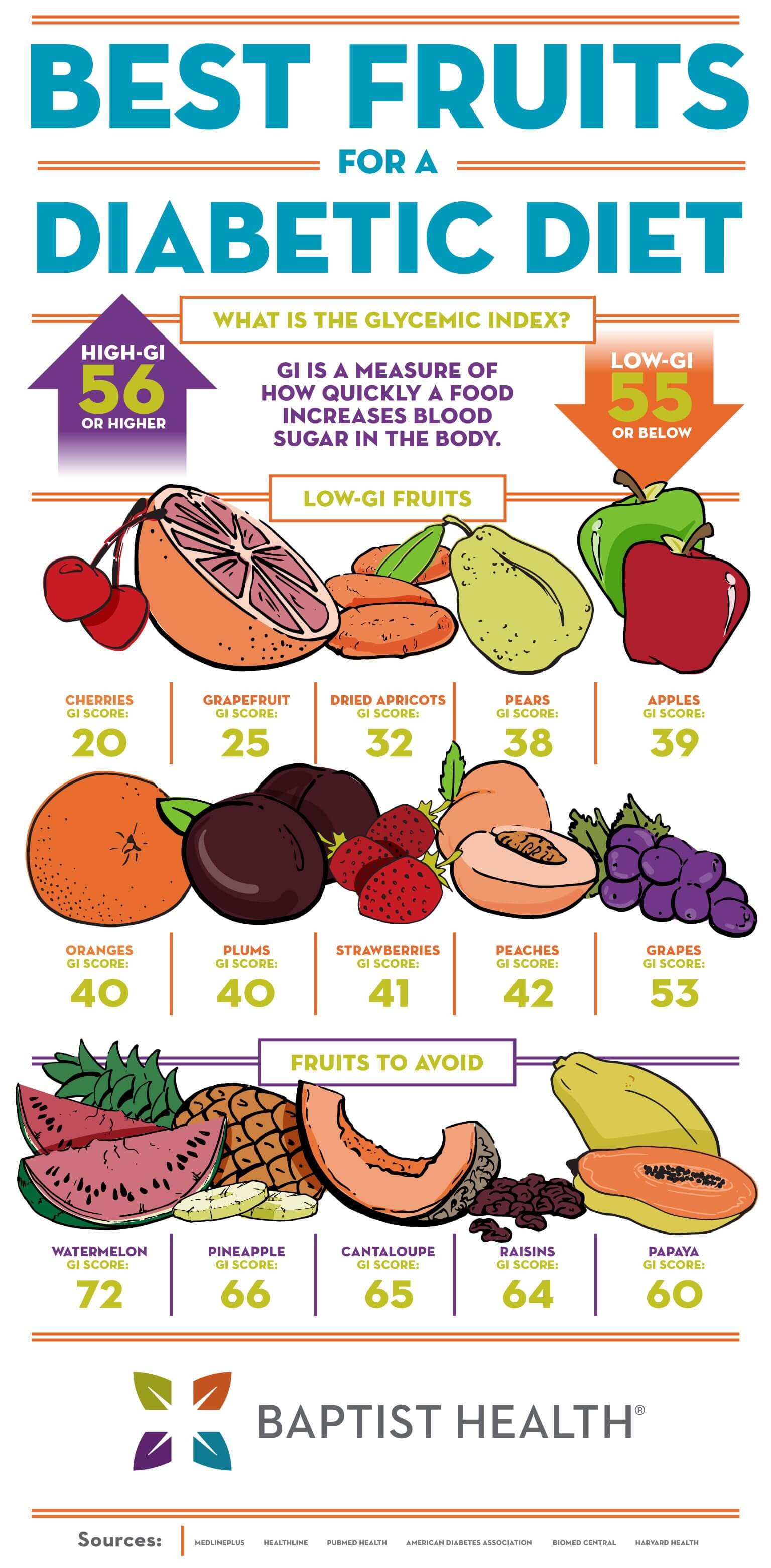
Jackfruit has a high natural sugar and carbohydrate content, which can cause rapid spikes in blood glucose levels. Even though it contains fiber, the glycemic load can still be significant, especially when eaten in large portions or on an empty stomach.
For people with diabetes or insulin resistance, jackfruit may:
-
Cause sudden blood sugar increases
-
Make glucose control more difficult
-
Interfere with medication effectiveness
This doesn’t mean jackfruit is “bad,” but portion control is critical. Many healthcare professionals recommend limiting or avoiding it entirely for those struggling with blood sugar regulation.


2. People with Digestive Sensitivity or Weak Stomachs
Jackfruit is rich in fiber and resistant starch, which can be difficult to digest for some people. Those with sensitive digestive systems may experience bloating, gas, abdominal discomfort, or even diarrhea after eating it.
This risk increases when jackfruit is:
-
Eaten raw and in large quantities
-
Combined with other heavy or fatty foods
-
Consumed late at night
People with conditions such as irritable bowel syndrome (IBS), chronic gastritis, or slow digestion may find jackfruit particularly uncomfortable. For them, avoiding jackfruit can prevent unnecessary digestive stress.
3. People Prone to Allergic Reactions
Although uncommon, jackfruit can trigger allergic reactions in certain individuals. People who are allergic to birch pollen, latex, or related fruits may experience cross-reactivity.
Possible symptoms include:
-
Itching or swelling in the mouth and throat
-
Skin rashes
-
Nausea or breathing discomfort in severe cases
Because allergic reactions can escalate quickly, anyone with a known fruit or latex allergy should be cautious. If symptoms appear after eating jackfruit, it’s best to avoid it completely and consult a healthcare provider.


4. People Taking Certain Medications
Jackfruit may interact with specific medications, especially those related to blood sugar control and blood pressure. Some studies suggest that compounds in jackfruit can influence insulin sensitivity and blood glucose metabolism.
For individuals taking:
-
Diabetes medications
-
Blood pressure drugs
-
Herbal supplements affecting glucose
Eating jackfruit could enhance or interfere with medication effects, increasing the risk of hypoglycemia or blood pressure fluctuations. Anyone on long-term medication should discuss dietary choices with a healthcare professional.
5. People Trying to Lose Weight
Despite being a fruit, jackfruit is calorie-dense. Its sweet taste and chewy texture make it easy to overeat, often leading to excessive calorie intake without realizing it.
Compared to many other fruits, jackfruit:
-
Contains more carbohydrates
-
Is less water-rich
-
Feels filling but adds significant calories
For those actively trying to lose weight or maintain a calorie deficit, frequent jackfruit consumption may slow progress. In such cases, lighter fruits like berries, apples, or citrus may be more suitable.


Does This Mean Jackfruit Is Unhealthy?
Absolutely not. Jackfruit can be nutritious and enjoyable for many people when eaten in moderation. It provides energy, fiber, and essential nutrients, and it plays an important role in many traditional diets.
The key is personal suitability. Health is not about universal rules — it’s about knowing how your body responds to certain foods.
How to Eat Jackfruit More Safely
If you enjoy jackfruit and don’t fall into the risk groups above:
-
Eat small portions
-
Avoid combining it with heavy meals
-
Don’t eat it late at night
-
Pay attention to how your body reacts
Listening to your body is more effective than following trends.
Final Thoughts
Loving a food doesn’t always mean it loves you back. Jackfruit is delicious, but for certain people, it may do more harm than good. Understanding your health conditions and eating accordingly is not restriction — it’s self-respect.
The healthiest diet is not the most popular one, but the one that fits your body best.