Head and Neck Cancer: Risk Factors, Symptoms, and Prevention Tips Everyone Should Know
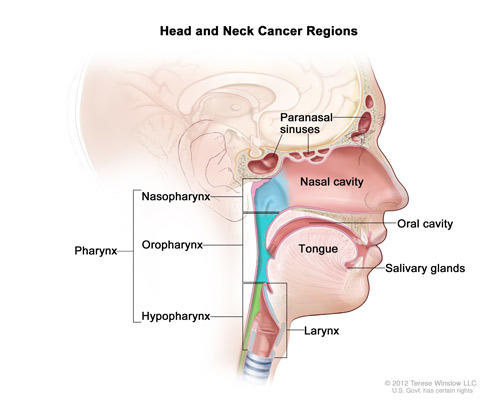
Head and neck cancer is a broad term used to describe cancers that develop in the mouth, throat, voice box, nasal cavity, sinuses, and salivary glands. While it is less commonly discussed than some other cancers, it affects hundreds of thousands of people worldwide each year.
One of the challenges with head and neck cancer is that early symptoms are often subtle and easily mistaken for common infections or minor issues. Understanding the risk factors, recognizing early warning signs, and knowing how to reduce risk can make a meaningful difference in outcomes.
What Is Head and Neck Cancer?
Head and neck cancers typically begin in the squamous cells that line the moist surfaces inside the mouth, throat, and nose. These cancers can interfere with essential functions such as speaking, swallowing, breathing, and hearing if not detected early.
Because these areas are involved in daily activities, symptoms may appear gradually and be ignored until the disease has progressed.


Major Risk Factors
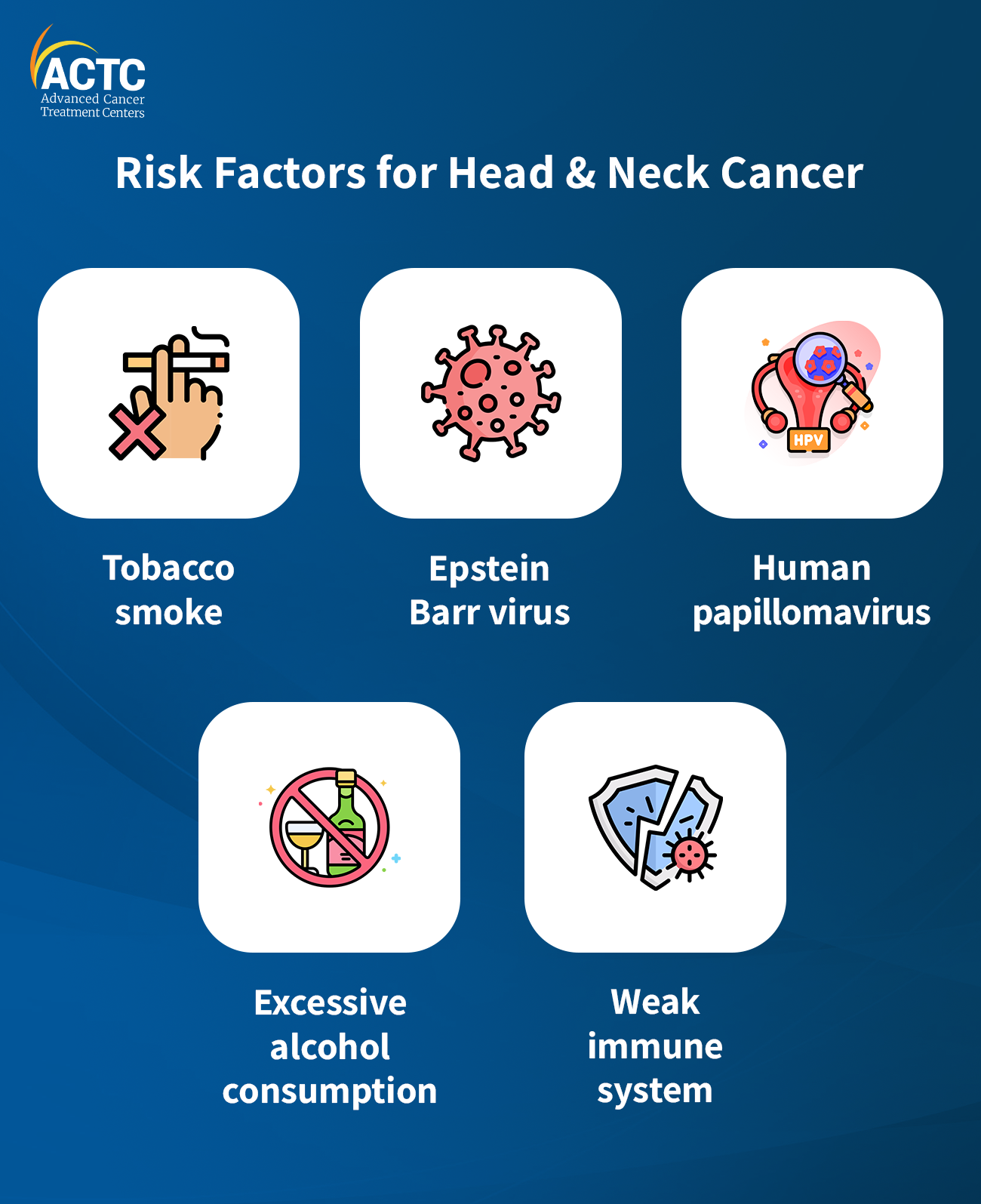
1. Tobacco Use
Smoking cigarettes, cigars, pipes, or using smokeless tobacco is the single biggest risk factor for head and neck cancer. Tobacco contains carcinogenic chemicals that damage the cells lining the mouth and throat over time.
2. Alcohol Consumption
Heavy alcohol use significantly increases risk, especially when combined with smoking. Alcohol acts as an irritant and makes tissues more vulnerable to cancer-causing substances.
3. Human Papillomavirus (HPV)
HPV, particularly HPV-16, is strongly linked to cancers of the throat and tonsils. HPV-related head and neck cancers are increasingly common, even among younger adults with no history of smoking.
4. Poor Oral Health
Chronic irritation from poor dental hygiene, ill-fitting dentures, or untreated gum disease may contribute to cancer risk in the oral cavity.
5. Environmental and Occupational Exposure
Long-term exposure to certain chemicals, wood dust, asbestos, or heavy metals can increase risk, especially in industrial work environments.


Common Symptoms to Watch For
Early symptoms of head and neck cancer can be easy to overlook. However, persistent symptoms lasting more than two weeks should never be ignored.
Key warning signs include:
-
A lump or swelling in the neck
-
Persistent sore throat
-
Difficulty swallowing or chewing
-
Hoarseness or voice changes
-
Mouth sores that do not heal
-
Unexplained bleeding in the mouth or nose
-
Ear pain or hearing changes
-
Numbness in the face or mouth
These symptoms do not automatically mean cancer, but persistence is the key red flag.
Why Early Detection Matters
Head and neck cancers detected early are often highly treatable, with better survival rates and fewer long-term complications. Unfortunately, many cases are diagnosed at later stages because early signs are mistaken for infections, allergies, or dental issues.
Early evaluation allows for:
-
Less aggressive treatment
-
Better preservation of speech and swallowing
-
Improved quality of life after treatment


Prevention Tips That Make a Real Difference
Quit Tobacco Completely
There is no safe level of tobacco use. Quitting significantly reduces cancer risk over time, even for long-term users.
Limit Alcohol Intake
Reducing alcohol consumption lowers irritation and inflammation in the tissues of the mouth and throat.
Get Vaccinated Against HPV
HPV vaccination is a powerful preventive tool. It protects against high-risk HPV strains linked to several cancers, including those of the throat.
Maintain Good Oral Hygiene
Regular dental checkups, daily brushing, flossing, and treating oral infections promptly help reduce chronic irritation.
Protect Yourself at Work
Using protective equipment and following safety guidelines can reduce exposure to harmful substances.
Pay Attention to Persistent Changes
Listening to your body and seeking medical advice when symptoms don’t resolve can lead to earlier diagnosis.
What Prevention Does Not Mean
Prevention strategies:
-
Do not guarantee cancer will never occur
-
Do not replace medical screenings
-
Are most effective when practiced consistently over time
Cancer risk is influenced by genetics, environment, and lifestyle combined — not a single factor.
Living With Awareness, Not Fear
Learning about head and neck cancer is not about becoming anxious. It’s about being informed. Awareness empowers people to make healthier choices, recognize warning signs early, and seek care when it matters most.
The mouth, throat, and neck are areas we use constantly. Paying attention to changes in these regions is one of the simplest forms of self-care.
Final Thoughts
Head and neck cancer often hides in plain sight, blending into everyday discomforts. Knowing the risk factors, understanding the symptoms, and adopting preventive habits can dramatically improve outcomes.
Early attention saves lives — not panic, not assumptions, but informed action.
Your health speaks quietly at first. Learning to listen can make all the difference.