9 Out of 10 People Store Onions Incorrectly — Here’s Why You Shouldn’t Keep Them in the Fridge
Onions are one of the most commonly used ingredients in kitchens around the world. They add flavor, depth, and aroma to countless dishes. Because they’re used so often, many people assume onions can be stored anywhere — including the refrigerator.
Surprisingly, most people store onions the wrong way. Keeping whole onions in the fridge may seem harmless, but it can actually reduce their quality, shorten their shelf life, and even affect food safety. Understanding how onions behave in different environments explains why the fridge is usually the worst place for them.
Why People Put Onions in the Fridge
The refrigerator is often seen as a universal solution for preserving food. Cold temperatures slow bacterial growth, so it feels logical to store onions there to “keep them fresh.”
However, onions are not like leafy greens or dairy. They are bulb vegetables designed to be stored in cool, dry, well-ventilated conditions — not cold, damp ones. When onions are kept in the fridge, several unwanted changes occur.

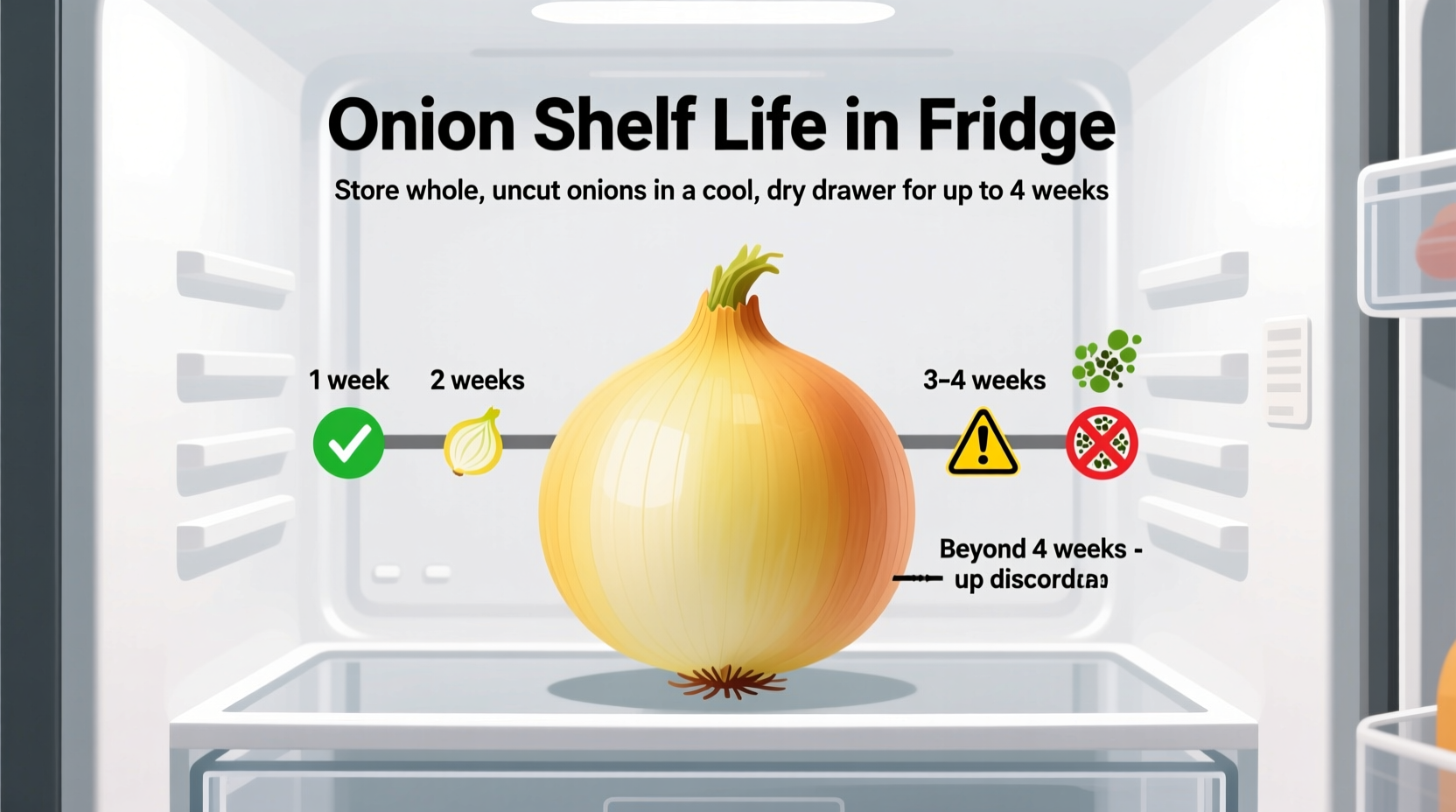

Moisture Is the Biggest Problem
Refrigerators are humid environments. That moisture is great for preventing vegetables from drying out, but it’s terrible for whole onions.
When onions are exposed to fridge humidity:
-
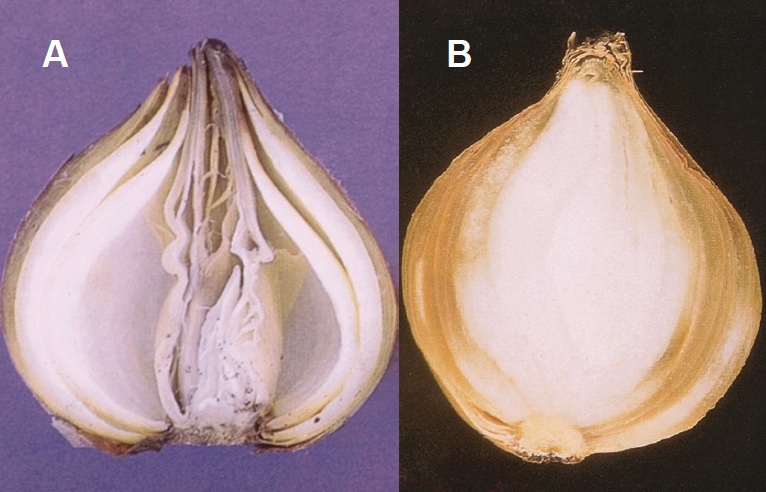
Their outer layers absorb moisture
-
The onion softens from the inside
-
Mold and rot develop more quickly
Moisture encourages fungal growth, especially around the onion’s neck and root area. Instead of lasting longer, refrigerated onions often spoil faster once removed.
Cold Temperatures Change Onion Chemistry
Storing onions in the fridge doesn’t just affect texture — it changes their internal chemistry. Cold temperatures convert onion starches into sugars, making them:
-
Softer
-
Sweeter
-
Mushier when cooked
This may not sound terrible, but it significantly alters how onions behave in recipes. They brown differently, release more water, and lose their crisp bite. For many dishes, this change ruins the intended flavor and texture.


Fridge Storage Increases Odor Spread
Onions are highly aromatic. When stored in the fridge, they easily:
-
Absorb odors from other foods
-
Release strong smells into the refrigerator
This can lead to unpleasant flavors in nearby foods like milk, butter, or fruit. Even when sealed, onion odor tends to escape and linger.
So Where Should You Store Whole Onions?
The best place to store whole, uncut onions is:
-
A cool, dry area
-
Well-ventilated
-
Away from direct sunlight
Ideal storage spots include:
-
A pantry
-
A kitchen cabinet with airflow
-
A basket or mesh bag
Onions need air circulation. Storing them in sealed plastic bags traps moisture and speeds up spoilage. Mesh bags or open baskets allow them to “breathe,” extending their shelf life.


A Common Mistake: Storing Onions with Potatoes
Many people store onions and potatoes together — another mistake. Potatoes release moisture and gases that cause onions to spoil faster. Onions, in turn, can make potatoes sprout more quickly.
Keeping them separate helps both last longer.
When the Fridge Is Appropriate
While whole onions shouldn’t go in the fridge, cut onions are different.
Once an onion is sliced:
-
Its protective outer layers are gone
-
Bacteria can grow more easily
Cut onions should be:
-
Stored in an airtight container
-
Kept in the refrigerator
-
Used within 3–5 days
This prevents contamination and limits odor spread.
Signs Your Onion Has Been Stored Incorrectly
Throw away onions that show:
-
Soft or slimy spots
-
Visible mold
-
Strong sour or rotten smell
-
Excessive moisture inside
Eating spoiled onions can cause digestive discomfort and foodborne illness.
Why Proper Storage Matters More Than You Think
Onions are often used raw or lightly cooked, which means improper storage can impact both flavor and safety. Storing them correctly:
-
Preserves taste and texture
-
Reduces food waste
-
Prevents mold growth
-
Keeps other foods from absorbing odors
Simple storage habits can make everyday cooking better and safer.
Final Thoughts
Refrigerators are powerful tools — but they’re not meant for everything. Whole onions thrive in dry, airy environments, not cold, humid ones. By keeping them out of the fridge and storing them properly, you’ll extend their life, improve flavor, and avoid unnecessary spoilage.
Sometimes, the best way to preserve food isn’t colder — it’s smarter.