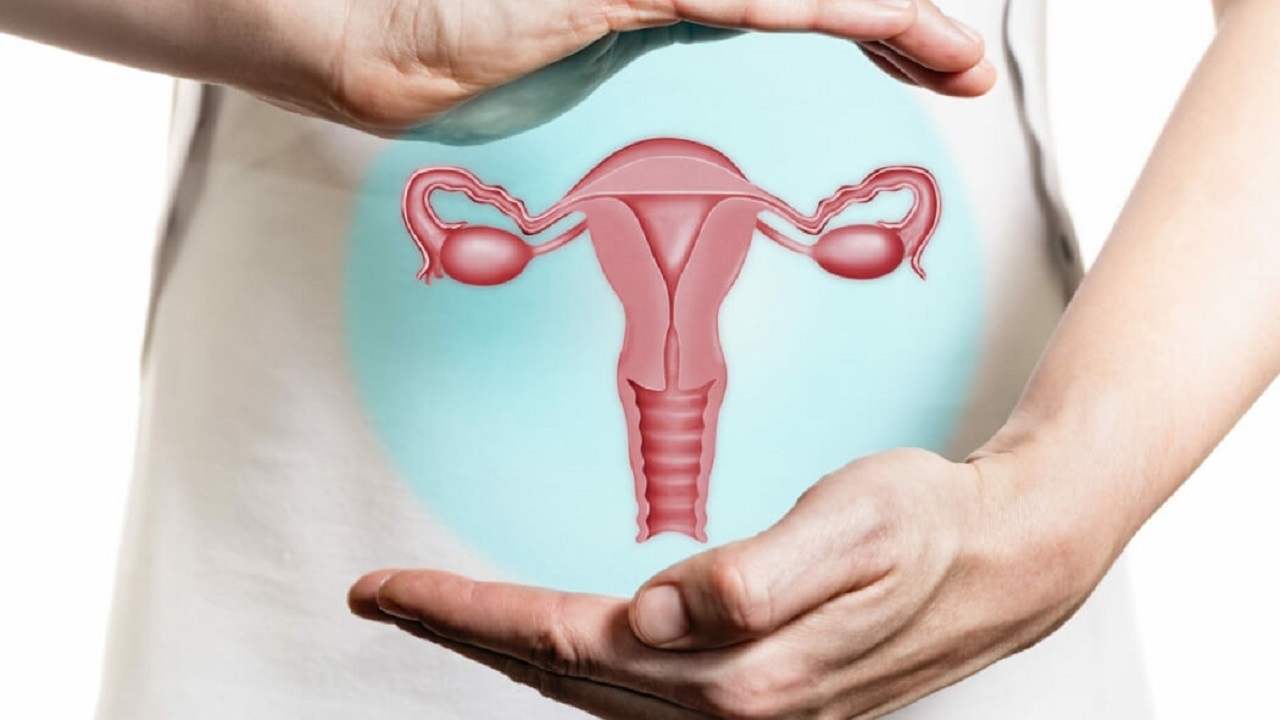
Cervical cancer is one of the most preventable and treatable forms of cancer when detected early. It develops in the cells of the cervix, the lower part of the uterus that connects to the vagina. In many cases, cervical cancer develops slowly over time, often beginning with abnormal cellular changes that may not cause symptoms immediately.
One of the challenges with cervical cancer is that early stages may produce very subtle symptoms or none at all. Because of this, regular screening and awareness of possible warning signs are extremely important. Symptoms associated with cervical cancer can also occur with many less serious gynecological conditions, so experiencing one symptom does not automatically mean cancer is present. However, persistent or unusual symptoms should never be ignored.
Understanding common warning signs and seeking timely medical evaluation may help improve early detection and treatment outcomes.

What Is Cervical Cancer?
Cervical cancer occurs when abnormal cells in the cervix grow uncontrollably.
Over time, these abnormal cells may invade nearby tissues and spread to other parts of the body if untreated.
The cervix plays an important role in:
- Reproduction
- Menstrual flow
- Pregnancy support
Changes affecting cervical tissue may sometimes produce noticeable symptoms.
The Role of HPV
Most cervical cancer cases are linked to persistent infection with:
- Human papillomavirus (HPV)
HPV is a very common virus spread through intimate skin-to-skin contact.
Many HPV infections clear naturally, but some high-risk strains may lead to abnormal cervical cell changes over time.
Why Early Detection Matters
Cervical cancer detected early is often much more treatable than advanced disease.
Regular screening may identify:
- Precancerous changes
- Early abnormal cells
- HPV-related risks
before cancer fully develops.
This is why Pap tests and HPV screening remain extremely important.
1. Unusual Vaginal Bleeding
One of the most common warning signs associated with cervical cancer is abnormal vaginal bleeding.
Possible examples include:
- Bleeding between periods
- Bleeding after intercourse
- Bleeding after menopause
- Heavier menstrual bleeding
- Bleeding after pelvic exams
Abnormal bleeding should always be medically evaluated, especially if persistent.
Why Bleeding Occurs
Abnormal cervical tissue may become more fragile and prone to bleeding.
Inflammation, irritation, or tissue changes may contribute to unexpected spotting or bleeding episodes.
However, many non-cancerous conditions may also cause abnormal bleeding.
2. Unusual Vaginal Discharge
Changes in vaginal discharge may sometimes occur with cervical abnormalities.
Possible symptoms may include:
- Watery discharge
- Persistent discharge
- Foul-smelling discharge
- Blood-tinged discharge
While infections commonly cause discharge changes, persistent unusual symptoms deserve medical attention.
Understanding Vaginal Discharge Changes
Normal vaginal discharge varies throughout the menstrual cycle.
Concerning changes may involve:
- New odor
- Unusual color
- Increased volume
- Persistent irritation
Medical evaluation helps determine the underlying cause.
3. Pelvic Pain
Some women may experience:
- Persistent pelvic discomfort
- Lower abdominal pain
- Pressure sensations
Pelvic pain may occur during:
- Daily activity
- Intercourse
- Menstruation
Pelvic pain alone does not indicate cervical cancer, but ongoing unexplained symptoms should not be ignored.
Why Pelvic Pain May Occur
As abnormal tissue changes develop, nearby nerves and surrounding structures may become affected.
Inflammation or pressure may contribute to discomfort.
However, many gynecological conditions may also cause pelvic pain.

4. Pain During Intercourse
Pain during sexual intercourse, sometimes called:
- Dyspareunia
may occasionally occur with cervical abnormalities.
Possible symptoms include:
- Deep pelvic discomfort
- Sharp pain
- Bleeding after intercourse
Persistent pain during intimacy should be discussed with a healthcare provider.
Why This Symptom Happens
Sensitive or inflamed cervical tissue may become irritated during contact.
Pain may also occur due to:
- Infections
- Hormonal changes
- Endometriosis
- Other gynecological conditions
Proper medical evaluation is important for identifying the cause.
5. Changes in Urination or Bowel Habits
Advanced cervical disease may sometimes affect nearby organs such as:
- The bladder
- The intestines
Possible symptoms may include:
- Frequent urination
- Pain during urination
- Blood in urine
- Constipation
- Pelvic pressure
These symptoms are less common in early stages but should not be ignored when persistent.
Why Symptoms May Be Easy to Miss
Many cervical cancer symptoms resemble common conditions such as:
- Hormonal changes
- Menstrual irregularities
- Vaginal infections
- Fibroids
Because symptoms may appear mild initially, some women delay seeking medical care.
The Importance of Regular Screening
Routine screening remains one of the most powerful tools for cervical cancer prevention.
Screening tests may detect:
- HPV infection
- Precancerous cells
- Early abnormalities
before symptoms develop.
What Is a Pap Test?
A Pap test, or Pap smear, collects cells from the cervix to check for abnormal changes.
This test may help identify:
- Precancerous lesions
- Early cancerous changes
before serious disease develops.
HPV Testing
HPV tests look for high-risk strains of the virus associated with cervical cancer risk.
Doctors may use:
- Pap testing
- HPV testing
- Combination screening
depending on age and medical guidelines.
HPV Vaccination and Prevention
Vaccines are available to help protect against certain high-risk HPV strains.
Vaccination may significantly reduce the risk of:
- Cervical cancer
- Certain other HPV-related cancers
Preventive healthcare plays an important role in reducing future cancer risk.
Risk Factors for Cervical Cancer
Several factors may increase risk, including:
- Persistent HPV infection
- Smoking
- Weakened immune system
- Multiple sexual partners
- Lack of regular screening
However, cervical cancer can still occur in individuals without obvious risk factors.
Smoking and Cervical Health
Smoking may damage cervical cells and weaken the body’s ability to clear HPV infections effectively.
Avoiding smoking supports both reproductive and overall health.
Why Early Medical Attention Is Important
Persistent abnormal symptoms should never be ignored.
Early medical evaluation may help:
- Identify infections
- Detect precancerous changes
- Rule out serious conditions
- Improve treatment outcomes
Waiting too long may allow disease progression.
How Doctors Evaluate Symptoms
Doctors may use:
- Pelvic examinations
- Pap tests
- HPV tests
- Colposcopy
- Biopsy
to investigate abnormal symptoms or screening results.
Treatment Depends on Stage
Treatment varies depending on:
- Disease stage
- Cell changes
- Overall health
Possible treatments may include:
- Monitoring
- Removal of abnormal cells
- Surgery
- Radiation therapy
- Chemotherapy
Early-stage disease is often easier to treat successfully.
Emotional Impact of Gynecological Symptoms
Unusual reproductive symptoms may create:
- Anxiety
- Fear
- Embarrassment
Some women avoid medical care because of discomfort discussing symptoms.
Open communication with healthcare providers is extremely important.
Healthy Habits That Support Cervical Health
Helpful habits may include:
- Routine screening
- HPV vaccination
- Avoiding smoking
- Practicing safer sexual health
- Maintaining overall wellness
Preventive care remains one of the strongest protective strategies.
When to Seek Medical Care
Medical evaluation is important if symptoms include:
- Unusual bleeding
- Persistent discharge
- Pelvic pain
- Pain during intercourse
- Ongoing urinary symptoms
Persistent changes should never be ignored simply because they seem mild.
Final Thoughts
Cervical cancer may develop slowly and often produces subtle symptoms in early stages, making awareness and routine screening especially important. Warning signs such as abnormal bleeding, unusual discharge, pelvic pain, painful intercourse, or urinary changes may sometimes indicate cervical abnormalities that deserve medical evaluation.
Although these symptoms can result from many non-cancerous conditions, early detection plays a major role in improving treatment outcomes and preventing serious complications.
Understanding possible warning signs, attending regular screenings, and seeking medical care for persistent symptoms may help support long-term cervical and reproductive health.