
Experiencing stomach pain after eating is a common complaint, but it should never be ignored - especially if it happens frequently. While
occasional discomfort may be caused by overeating or eating too quickly, persistent pain after meals can be a warning sign of an
underlying digestive disorder.
Below are five common diseases that can cause stomach pain after eating, how they affect the body, and when it’s time to seek medical
attention.
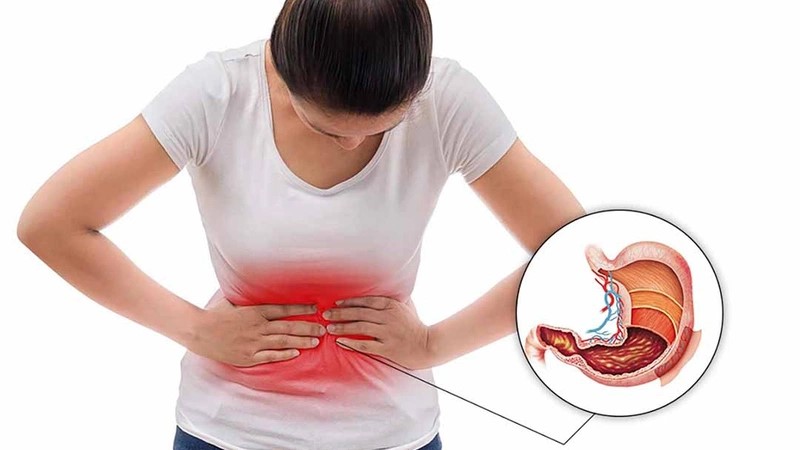
1. Gastritis (Stomach Lining Inflammation)
Gastritis occurs when the protective lining of the stomach becomes inflamed or eroded.
Why it causes pain after eating
After a meal, the stomach produces acid to digest food. If the stomach lining is inflamed, this acid can irritate the tissue, leading to pain or
burning sensations shortly after eating.
Common symptoms
-
Upper abdominal pain or burning
-
Nausea or vomiting
-
Feeling overly full after small meals
-
Bloating
Common causes
-
Helicobacter pylori infection
-
Long-term use of painkillers (NSAIDs)
-
Excessive alcohol consumption
-
Chronic stress
2. Peptic Ulcer Disease
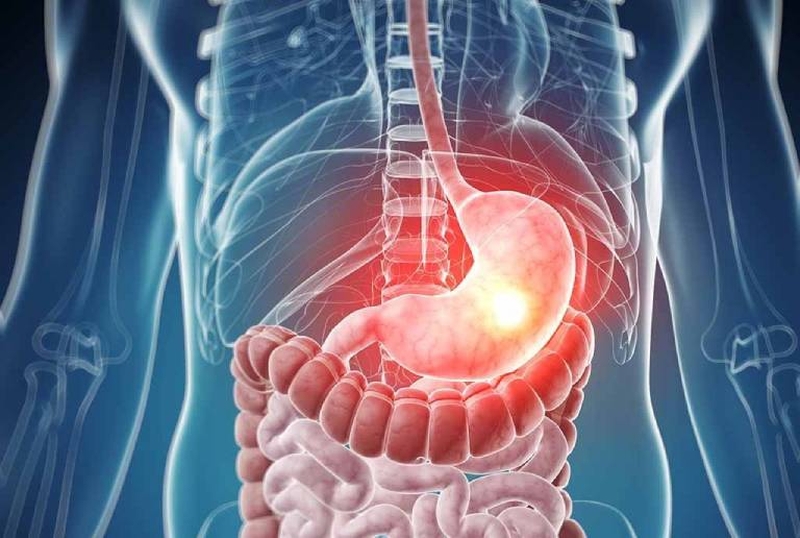
Peptic ulcers are open sores that form in the stomach or the upper part of the small intestine.
Why it causes pain after eating
Food stimulates acid production. When acid comes into contact with an ulcer, it can cause sharp or gnawing pain, often worsening shortly after meals (especially with stomach ulcers).
Common symptoms
-
Burning or stabbing stomach pain
-
Pain that comes and goes
-
Nausea
-
Dark or tarry stools (in severe cases)
Risk factors
-
H. pylori infection
-
Long-term NSAID use
-
Smoking
Untreated ulcers can lead to bleeding or perforation, making early diagnosis essential.
3. Gallbladder Disease (Gallstones or Inflammation)
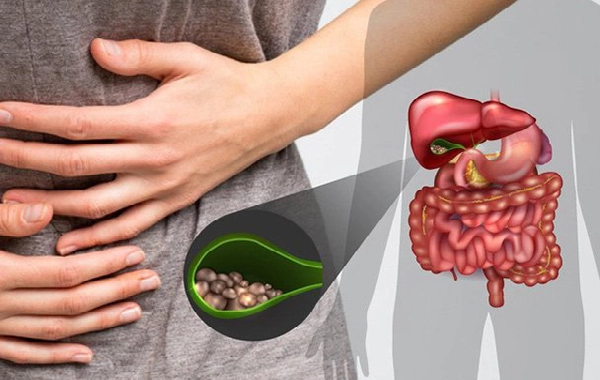
Gallbladder problems often cause pain after eating, especially after fatty meals.
Why it causes pain after eating
The gallbladder releases bile to help digest fats. If gallstones block bile flow or the gallbladder is inflamed, eating triggers sudden and intense pain.
Common symptoms
-
Pain in the upper right abdomen
-
Pain radiating to the back or right shoulder
-
Nausea and vomiting
-
Pain after greasy or heavy meals
Gallbladder pain often appears 30 minutes to a few hours after eating.
4. Gastroesophageal Reflux Disease (GERD)
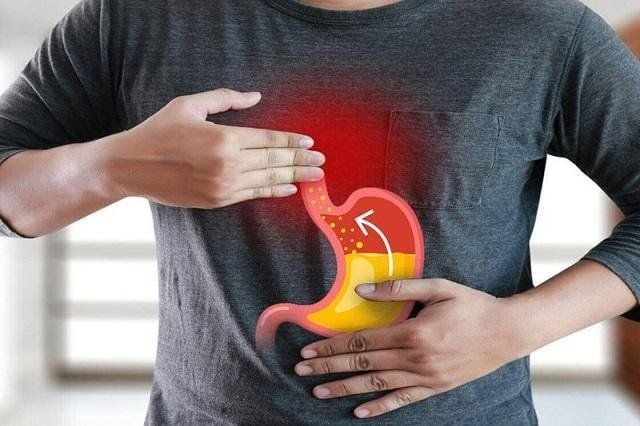
GERD occurs when stomach acid flows back into the esophagus.
Why it causes pain after eating
Eating increases stomach pressure. If the lower esophageal sphincter is weak, acid reflux occurs, causing pain and irritation.
Common symptoms
-
Burning pain in the chest or upper abdomen
-
Sour or bitter taste in the mouth
-
Regurgitation
-
Pain that worsens when lying down
Certain foods—such as spicy foods, caffeine, chocolate, and acidic foods—can worsen symptoms.
5. Irritable Bowel Syndrome (IBS)
IBS is a functional gastrointestinal disorder affecting how the intestines work.
Why it causes pain after eating
Eating triggers intestinal contractions. In people with IBS, these contractions can be painful due to heightened gut sensitivity.
Common symptoms
-
Cramping or abdominal pain after meals
-
Bloating and gas
-
Diarrhea, constipation, or both
-
Relief after bowel movements
IBS does not cause structural damage but can significantly affect quality of life.
When to Be Concerned
You should see a doctor if stomach pain after eating is:
-
Frequent or worsening
-
Severe or sharp
-
Accompanied by weight loss
-
Associated with vomiting, bleeding, or fever
-
Interfering with daily life
Early diagnosis can prevent complications and improve treatment outcomes.
What You Can Do to Reduce Pain After Eating
-
Eat smaller, more frequent meals
-
Avoid trigger foods (fatty, spicy, acidic)
-
Eat slowly and chew thoroughly
-
Avoid lying down immediately after meals
-
Manage stress levels
-
Stay hydrated
However, lifestyle changes alone are not a substitute for medical evaluation if symptoms persist.
Final Thoughts
Stomach pain after eating is not something to dismiss as “normal.” It is often the body’s way of signaling a digestive disorder that needs attention. Conditions like gastritis, ulcers, gallbladder disease, GERD, and IBS are common—but manageable when diagnosed early.
Listening to your body and seeking timely medical advice can make a significant difference in both comfort and long-term health.