Small White Pimples on the Face: Causes and Treatment Options
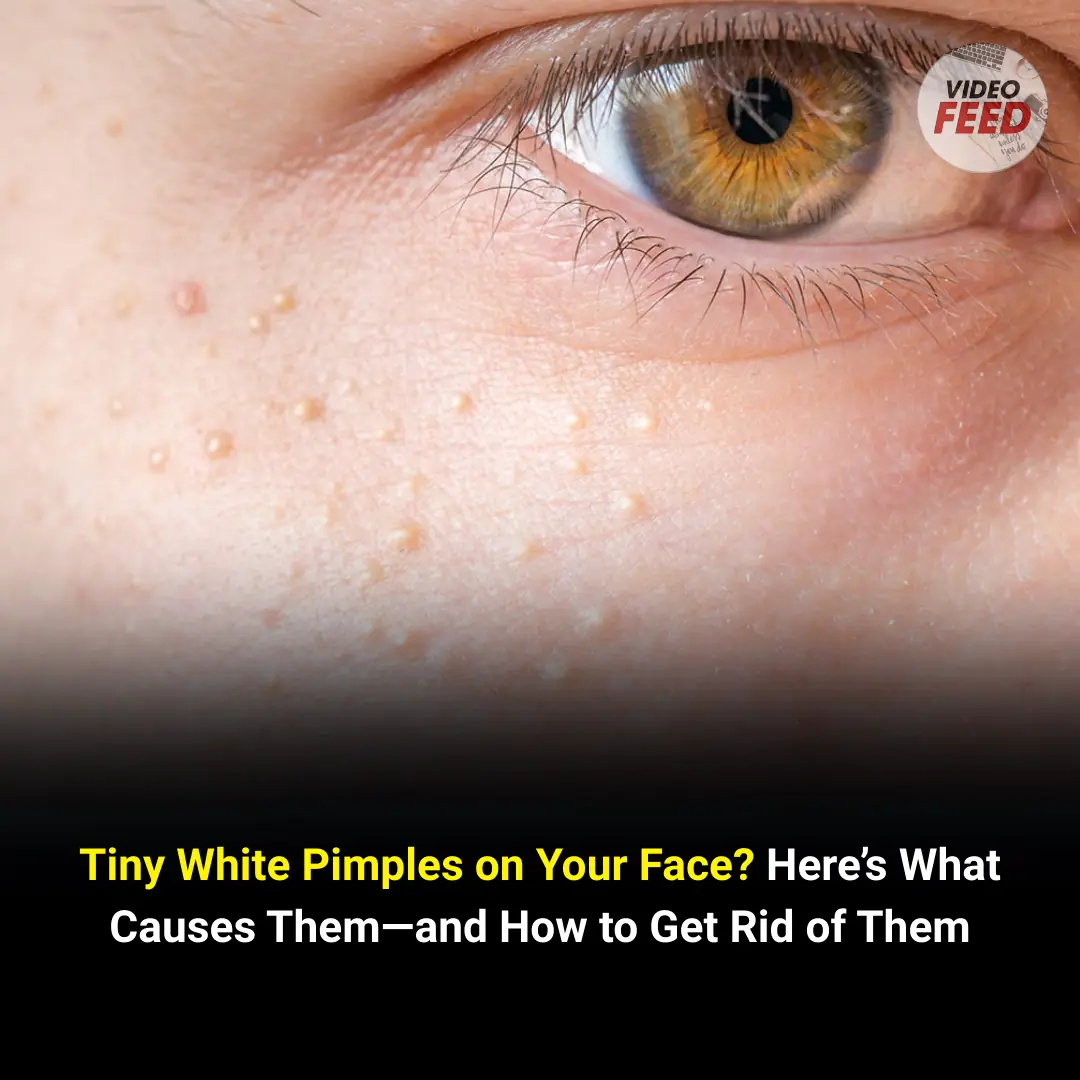
Small white pimples on the face are a common dermatological concern affecting many people today. Although these bumps usually do not cause redness, swelling, or pain, they can make the skin feel rough, uneven, and less aesthetically pleasing. So what causes white pimples to appear? Below is useful information on their causes and treatment options you can refer to.
1. What Are White Pimples?
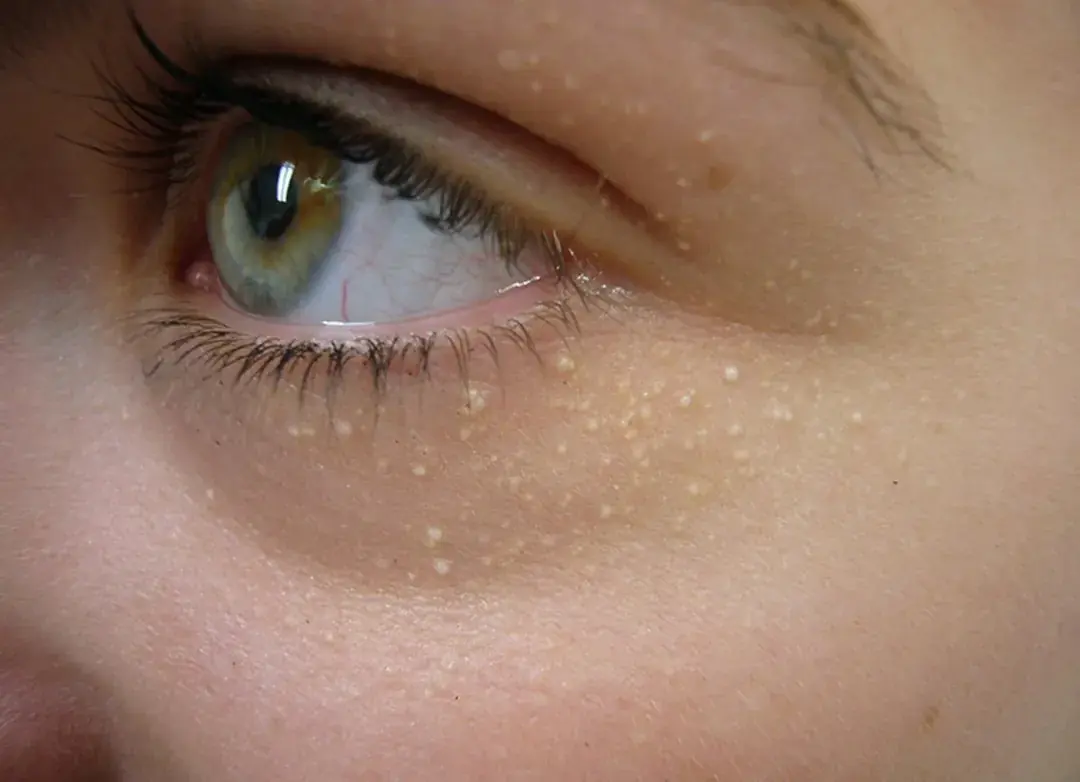
White pimples are similar to acne lesions. They form when dead skin cells accumulate over time and combine with excess oil and bacteria, clogging the pores. As a result, tiny white bumps develop beneath closed pores.
-
Commonly affect people aged 14–35
-
More prevalent in women
-
Can persist for a long time and are difficult to treat completely
-
Do not pose serious health risks but may reduce self-confidence
Key Characteristics of White Pimples:
-
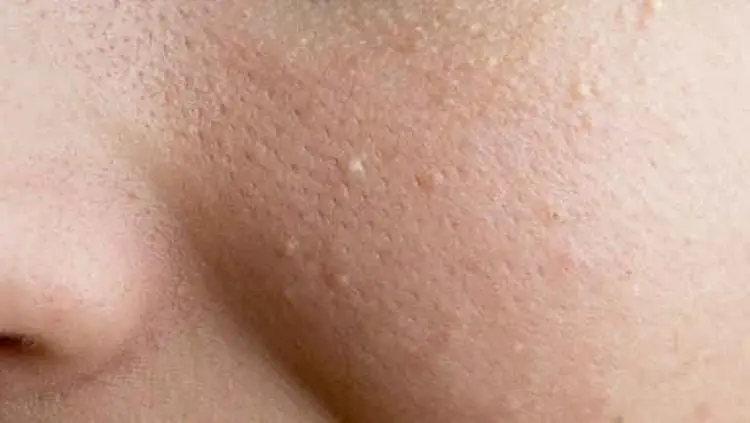
Small in size, with a raised white head above the skin surface
-
Commonly appear on the nose, chin, and cheeks
-
Tend to cluster together
-
Do not cause pain, redness, or inflammation
2. Causes of Small White Pimples on the Face
There are several reasons why small white pimples may appear, including:
2.1. Clogged Pores
This is the most common and primary cause. During periods such as puberty, menstruation, pregnancy, or menopause, sebaceous glands become more active.
-
Excess oil makes the skin appear greasy
-
Oil buildup clogs pores, leading to whitehead formation
2.2. Genetics
White pimples can be hereditary. If family members frequently experience white pimples, future generations may be more prone to the same condition.
2.3. P. acnes Bacteria
The presence of Propionibacterium acnes (P. acnes) on the skin can contribute to white pimples.
-
Dirty pillowcases, blankets, towels, or makeup tools promote bacterial growth
-
Touching the face frequently can transfer bacteria to the skin
2.4. Frequent Makeup Use
Regular makeup use without proper cleansing increases the risk of white pimples.
-
Pores become congested
-
Certain cosmetic chemicals may irritate the skin
2.5. Overuse of Birth Control Pills
Excessive use of oral contraceptives may disrupt hormonal balance, triggering various types of acne, including white pimples.
2.6. Poor Facial Cleansing
Improper cleansing allows dirt, dead skin cells, and makeup residue to accumulate inside pores, leading to long-term blockage and pimple formation.
3. How to Treat White Pimples
Treatment methods depend on your skin condition and personal circumstances. Common approaches include:
3.1. Over-the-Counter Oral Medications and Topical Treatments
Non-prescription oral medications and medicated skincare products can help treat white pimples. However, oral medications should be used cautiously and not overused to avoid health risks.
Common active ingredients include:
-
Salicylic Acid
-
Azelaic Acid
-
Benzoyl Peroxide
-
Retinoids
-
BHA – AHA – PHA
⚠️ Combining active ingredients can enhance results, but some should not be used together. Always research carefully to avoid skin irritation.
3.2. Dermatologist Consultation and Advanced Treatments
For safer and more effective results, consulting a dermatologist is recommended.
Prescription treatments may include:
-
Retinoids: Stronger than OTC versions, offering faster results
-
Antibiotics: Help reduce bacteria and prevent breakouts
Advanced dermatological procedures include:
-
Microdermabrasion: Gently removes dead skin cells and unclogs pores
-
Chemical Peels: Deep exfoliation using chemical solutions to cleanse and treat acne
-
Laser Therapy: Uses short-pulse red light to reduce oil production and target white pimples effectively
Important Notes During Treatment
-
❌ Do not squeeze or pop pimples at home to avoid scarring and inflammation
-
❌ Avoid harsh cleansing or strong exfoliating products
-
❌ Do not steam your face excessively, especially if you have sensitive or acne-prone skin