Vaseline, also known as petroleum jelly, is a household staple found in bathrooms around the world. Many people use it for dry lips, cracked heels, or minor cuts. But when it comes to applying Vaseline on the face, opinions are sharply divided. Some swear by it for glowing, hydrated skin, while others warn that it can clog pores and cause breakouts.
So what’s the truth? Can Vaseline really be used safely on your face, or does it do more harm than good? Let’s take a closer look at the science, benefits, risks, and who should (and shouldn’t) use it.
What Exactly Is Vaseline?
Vaseline is made from petroleum jelly, a semi-solid mixture of hydrocarbons. Modern cosmetic-grade petroleum jelly is highly refined and purified, making it safe for topical use. In fact, it is approved by dermatologists and widely used in medical settings for wound care and skin protection.
One key point to understand: Vaseline is not a moisturizer in the traditional sense. It does not add water to the skin. Instead, it works as an occlusive, meaning it seals in existing moisture.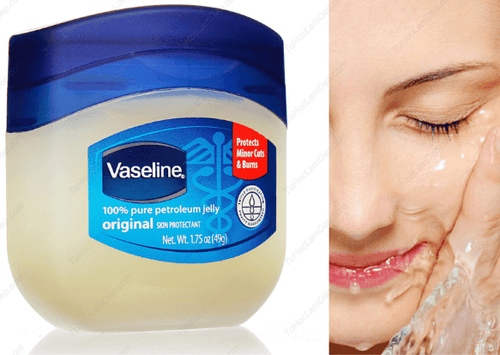
Benefits of Using Vaseline on Your Face
1. Powerful Moisture Lock
Vaseline creates a protective barrier on the skin that prevents water loss. This can be especially helpful for people with very dry skin, eczema-prone skin, or those living in cold or dry climates.
When applied to slightly damp skin, Vaseline can lock in hydration far more effectively than many creams.
2. Helps Repair the Skin Barrier
A healthy skin barrier is essential for preventing irritation, sensitivity, and premature aging. Vaseline helps protect the skin from environmental stressors such as wind, cold air, and pollution, allowing the barrier to heal.
This is why dermatologists often recommend petroleum jelly after certain skin procedures like laser treatments or chemical peels.
3. Safe for Sensitive Skin
Vaseline is fragrance-free, preservative-free, and hypoallergenic, making it suitable for people with sensitive skin or allergies. It does not penetrate the skin deeply, which reduces the risk of irritation.
4. Soothes and Protects Damaged Skin
For minor cuts, burns, or irritated patches on the face, Vaseline can help protect the area and promote healing by keeping it moist. A moist healing environment often reduces scarring compared to letting a wound dry out.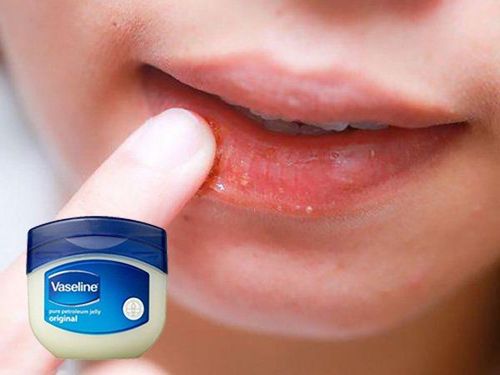
5. Multi-Purpose Beauty Uses
Many people use Vaseline on the face for:
-
Lip care and overnight lip masks
-
Protecting the under-eye area from dryness
-
Taming eyebrows
-
Preventing makeup from settling into fine lines
-
Sealing in serums or night creams
The Risks of Using Vaseline on Your Face
While Vaseline has benefits, it’s not ideal for everyone.
1. Can Trap Dirt and Bacteria
Because Vaseline forms a heavy seal, applying it to dirty or unwashed skin can trap bacteria, sweat, and oil underneath. This may increase the risk of breakouts or irritation.
Clean skin is essential before application.
2. Not Ideal for Oily or Acne-Prone Skin
Vaseline itself is non-comedogenic (it doesn’t clog pores on its own). However, on oily or acne-prone skin, it can worsen congestion by trapping excess sebum.
People with frequent breakouts may notice increased acne if Vaseline is used regularly on the entire face.
3. No Active Skin-Care Benefits
Vaseline does not contain:
-
Vitamins
-
Antioxidants
-
Anti-aging ingredients
-
Acne-fighting agents
It will not brighten skin, reduce wrinkles, or treat pigmentation. It works best as a supporting product, not a treatment.
4. Heavy Texture Can Feel Uncomfortable
Some people dislike the thick, greasy feeling of Vaseline on the face, especially in warm or humid climates. It may also cause makeup to slide or feel heavy during the day.
Who Should Use Vaseline on Their Face?
Vaseline may be a good option if you:
-
Have very dry or compromised skin
-
Live in cold or dry environments
-
Are recovering from a skin treatment
-
Have sensitive skin that reacts to many products
-
Want a simple occlusive for nighttime use
Who Should Avoid It or Use With Caution?
You may want to avoid or limit Vaseline use if you:
-
Have oily or acne-prone skin
-
Are prone to clogged pores
-
Live in hot, humid climates
-
Prefer lightweight skincare products
How to Use Vaseline on Your Face Safely
If you decide to try Vaseline, proper use is key:
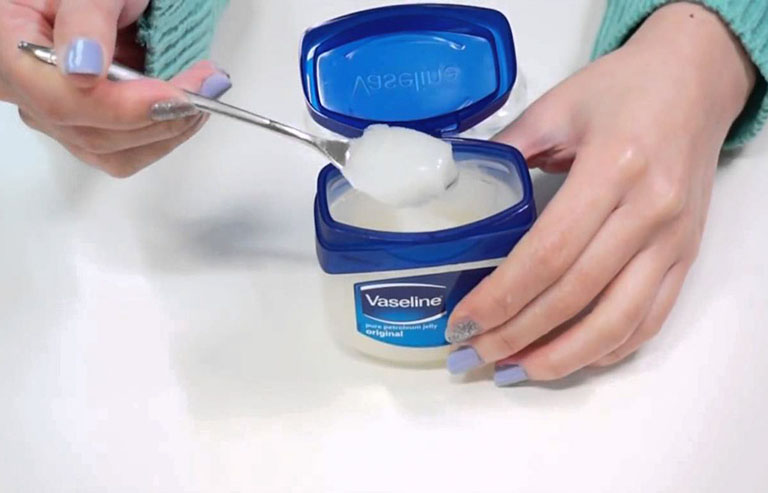
1. Cleanse your face thoroughly
2. Apply a light moisturizer or serum first
3. Use a very thin layer of Vaseline on top
4. Focus on dry areas rather than the entire face
5. Use it mainly at night
This method, often called “slugging,” helps lock in hydration without overwhelming the skin.
Final Thoughts
Yes, you can use Vaseline on your face but it’s not a miracle product, and it’s not suitable for everyone. Vaseline excels at protecting the skin
and preventing moisture loss, especially for dry or sensitive skin types. However, it does not treat underlying skin concerns and can cause
issues if used incorrectly or on the wrong skin type.
Like many skincare products, the key lies in knowing your skin and using it thoughtfully. When used in the right way, Vaseline can be a
simple, affordable, and effective addition to a skincare routine but it should never replace proper cleansing, hydration, or targeted treatments.