Vegetables are widely recognized as essential to a healthy diet, providing vitamins, minerals, fiber, and antioxidants. However, what many people don’t realize is that some vegetables naturally contain toxins. These substances are part of the plant’s natural defense system against insects and animals.
This does not mean these vegetables are dangerous or should be avoided entirely. In most cases, they are perfectly safe when prepared and consumed correctly. Problems arise mainly when they are eaten raw, improperly cooked, spoiled, or consumed in excessive amounts.
Below are six vegetables that naturally contain toxins, why those toxins exist, and how to enjoy these foods safely.
1. Potatoes (Solanine)
Potatoes are a global staple, but they naturally contain solanine, a toxic glycoalkaloid.
Where the toxin is found:
-
Green areas of the potato
-
Sprouts (“eyes”)
-
Skin of potatoes exposed to light
Why it’s dangerous:
High levels of solanine can cause:
-
Nausea and vomiting
-
Headaches
-
Dizziness
-
Digestive distress
How to eat safely:
-
Avoid green or sprouted potatoes
-
Peel thick skins if potatoes are old
-
Store potatoes in a dark, cool place
-
Never eat potatoes that taste bitter
:quality(75)/2024_5_10_638509569529494648_cong-dung-cua-khoai-tay-thumb.jpg)
2. Kidney Beans (Phytohaemagglutinin)
Raw or undercooked kidney beans contain phytohaemagglutinin, a lectin that can be highly toxic.
Why it’s dangerous:
Even a small amount of undercooked kidney beans can cause:
-
Severe nausea
-
Vomiting
-
Abdominal pain
-
Diarrhea
How to eat safely:
-
Never eat kidney beans raw
-
Soak dried beans for at least 5 hours
-
Boil vigorously for at least 10 minutes
-
Avoid slow cookers unless beans are pre-boiled

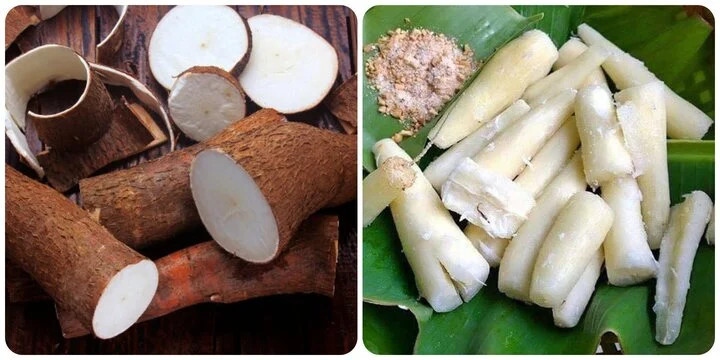
3. Cassava (Cyanogenic Glycosides)
Cassava is widely consumed in many parts of the world, but it naturally contains cyanogenic compounds that can release cyanide.
Why it’s dangerous:
Improperly prepared cassava may lead to:
-
Acute poisoning
-
Neurological damage
-
Thyroid problems
-
In extreme cases, death
How to eat safely:
-
Peel thoroughly
-
Soak, ferment, or dry properly
-
Cook completely before eating
-
Never consume raw cassava
4. Eggplant (Solanine)
Eggplants belong to the nightshade family and also contain solanine, though usually in lower amounts than potatoes.
Why it can be harmful:
Excessive consumption of raw or undercooked eggplant may cause:
-
Digestive irritation
-
Headaches
-
Nausea
How to eat safely:
-
Cook eggplant thoroughly
-
Avoid very bitter-tasting eggplant
-
Limit raw consumption
Cooking significantly reduces solanine levels.
5. Spinach (Oxalic Acid)
Spinach is highly nutritious, but it contains oxalic acid, a compound that can interfere with mineral absorption.
Why it may be a concern:
Excess oxalic acid may:
-
Reduce calcium absorption
-
Increase kidney stone risk in susceptible individuals
How to eat safely:
-
Cook spinach to reduce oxalate levels
-
Avoid excessive daily intake
-
Balance with calcium-rich foods
For most people, spinach is safe and beneficial in moderation.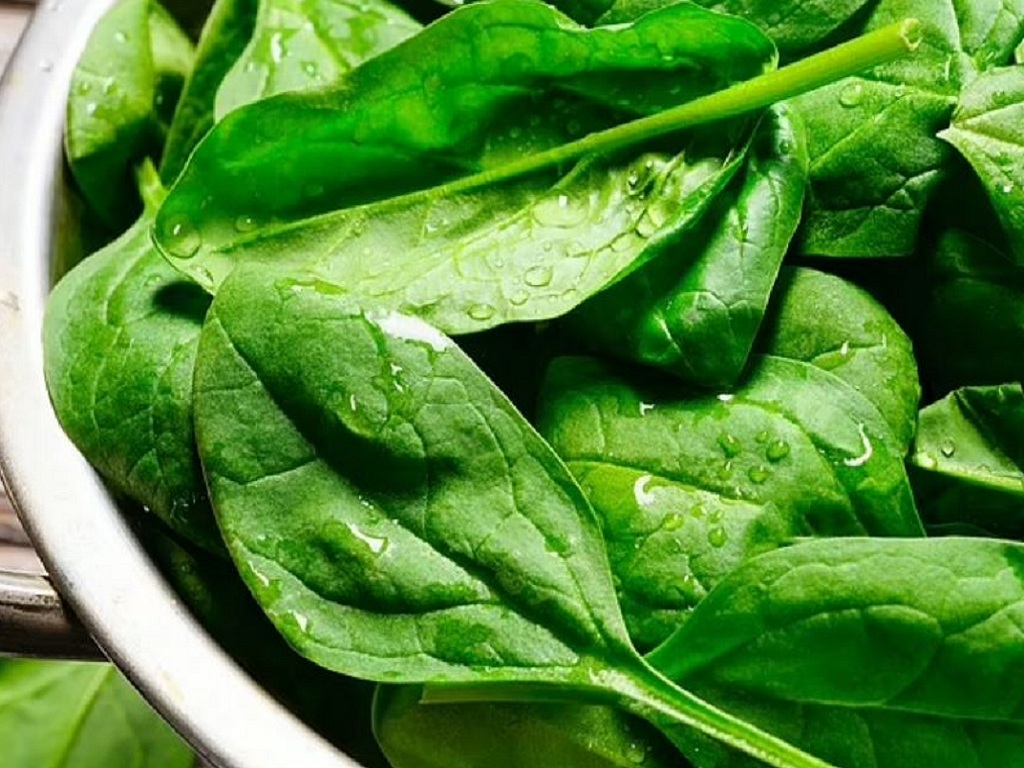
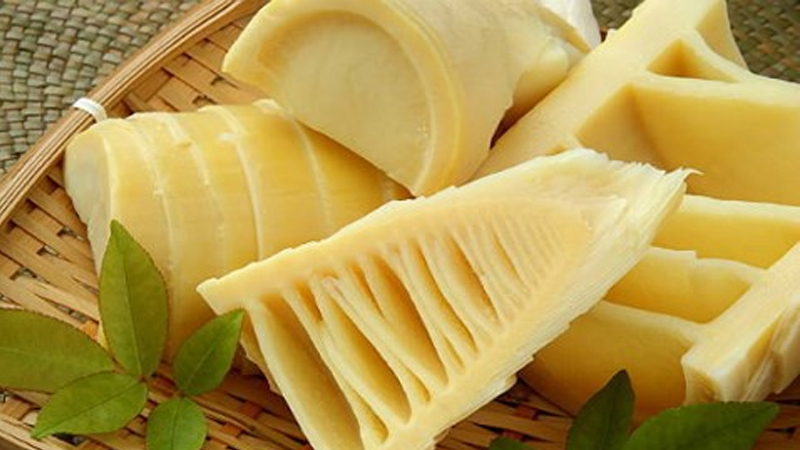
6. Bamboo Shoots (Cyanogenic Compounds)
Fresh bamboo shoots naturally contain compounds that release cyanide when eaten raw.
Why it’s dangerous:
Raw bamboo shoots can cause:
-
Dizziness
-
Shortness of breath
-
Digestive upset
How to eat safely:
-
Always boil bamboo shoots before eating
-
Discard the boiling water
-
Never eat raw bamboo shoots
Why Plants Contain Toxins in the First Place
Natural toxins are part of a plant’s survival strategy. They help deter pests and protect the plant from being eaten before it can reproduce. Humans have learned over time how to neutralize these toxins through:
-
Cooking
-
Fermenting
-
Soaking
-
Drying
Traditional food preparation methods exist for a reason.
Should You Avoid These Vegetables?
No. These vegetables can be safe, nutritious, and beneficial when handled correctly. The key risks come from:
-
Eating them raw
-
Improper storage
-
Inadequate cooking
-
Excessive consumption
For healthy adults, properly prepared vegetables pose little to no risk.
General Safety Tips
-
Never eat bitter-tasting vegetables
-
Avoid spoiled or damaged produce
-
Cook high-risk vegetables thoroughly
-
Follow traditional preparation methods
-
Practice moderation
Final Thoughts
The presence of natural toxins in vegetables may sound alarming, but it’s part of nature - not a reason for fear. Knowledge is what keeps food safe. By understanding which vegetables contain these compounds and how to prepare them correctly, you can enjoy their nutritional benefits without risk.
Healthy eating isn’t about avoiding foods - it’s about eating them wisely.