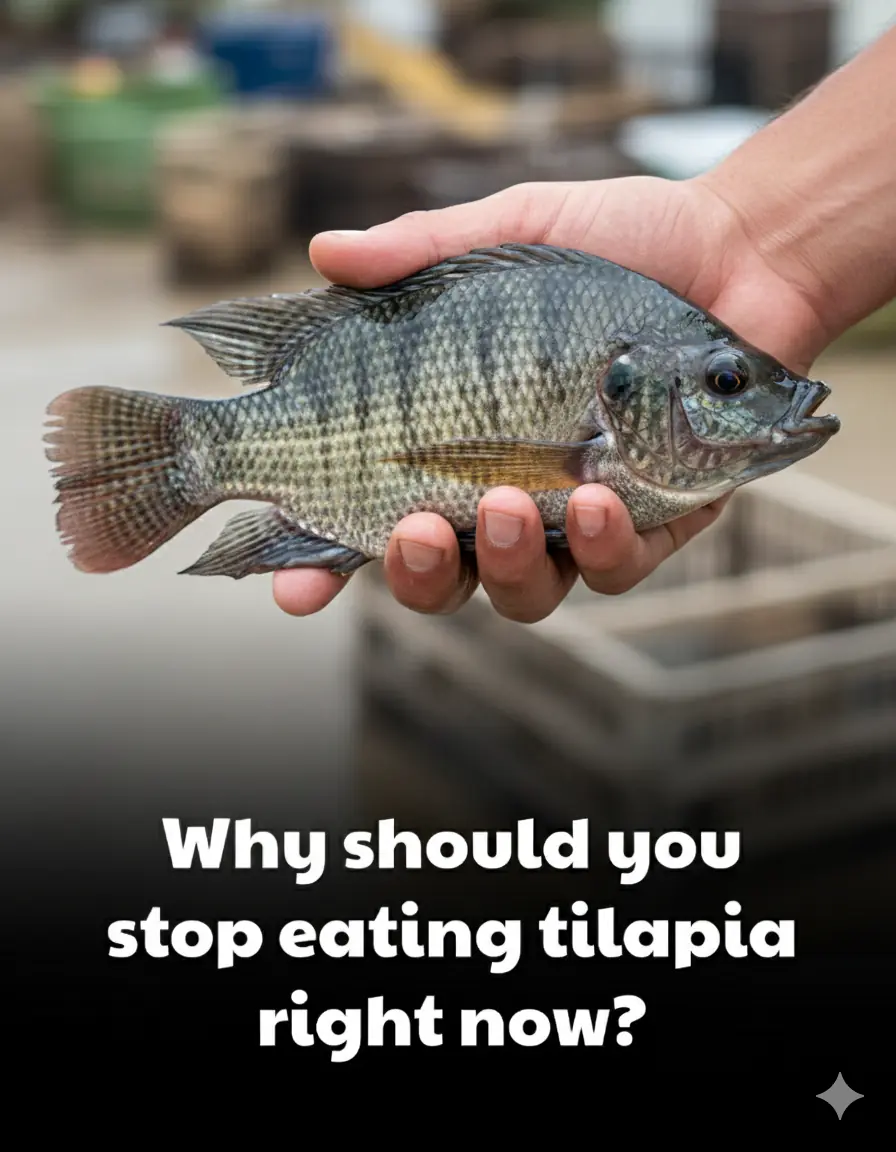
Tilapia is one of the most commonly consumed fish in the world. It’s affordable, widely available, easy to cook, and often marketed as a
healthy source of lean protein. For many families, tilapia has become a staple on the dinner table.
However, in recent years, health experts, nutritionists, and environmental researchers have raised serious concerns about tilapia,
especially farmed tilapia from poorly regulated sources. These concerns go far beyond taste or sustainability - they directly affect your health.
Here’s why many experts suggest you should reconsider eating tilapia, or at least be far more selective about where it comes from.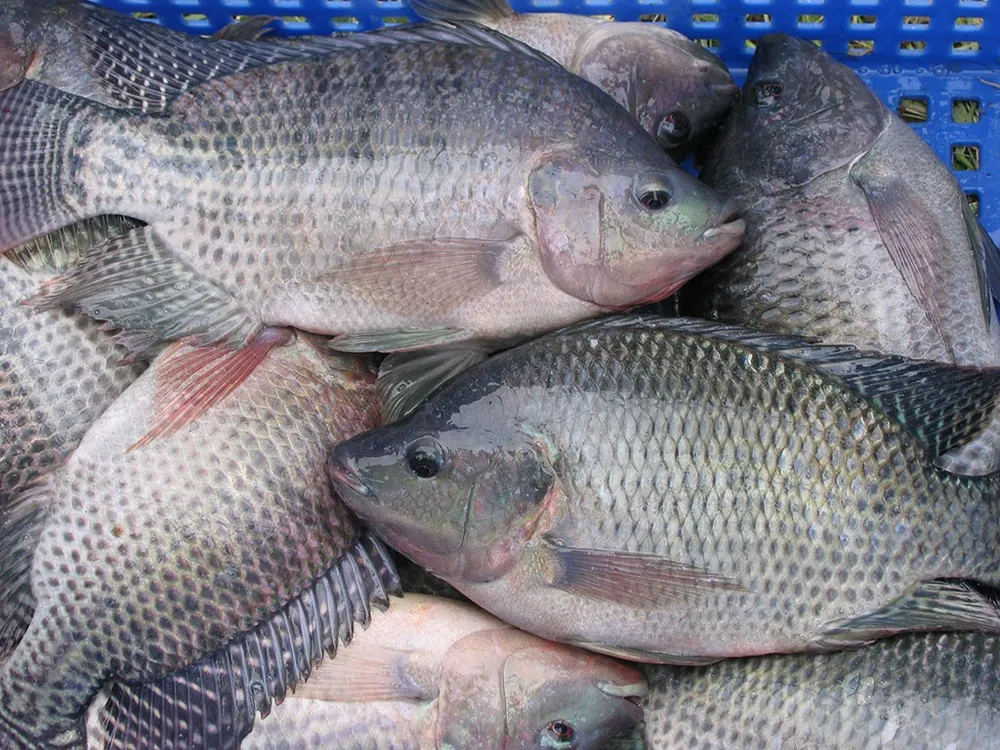
1. Extremely Low in Beneficial Omega-3 Fatty Acids
One of the biggest reasons people eat fish is for omega-3 fatty acids, which are known to:
-
Reduce inflammation
-
Support heart health
-
Protect brain function
-
Lower the risk of chronic diseases
Unfortunately, tilapia contains very little omega-3 compared to other fish.
To make matters worse, tilapia has a high omega-6 to omega-3 ratio. While omega-6 fats are not inherently bad, consuming too much -
especially without enough omega-3 - can promote inflammation in the body.
Why this matters:
Chronic inflammation is linked to:
-
Heart disease
-
Arthritis
-
Diabetes
-
Autoimmune disorders
In contrast, fish like salmon, sardines, and mackerel provide powerful anti-inflammatory benefits that tilapia simply cannot match.
2. Farming Practices Raise Serious Health Concerns
Most tilapia sold globally is farmed, not wild-caught. While farming fish is not always bad, tilapia farming is often associated with poor
conditions - especially in countries with weak food safety regulations.
Common issues include:
-
Overcrowded fish ponds
-
Poor water quality
-
Exposure to waste and pollutants
-
Increased risk of disease
To keep fish alive in these environments, some farms rely heavily on antibiotics and chemicals, which can leave residues in the meat.
3. Risk of Antibiotic Residues and Drug Resistance
In poorly regulated farms, antibiotics may be used excessively to prevent disease outbreaks. This raises two major concerns:
-
Antibiotic residues may remain in the fish you eat
-
Overuse contributes to antibiotic-resistant bacteria, a growing global health crisis
Consuming antibiotic-contaminated food over time may weaken the effectiveness of medications when you actually need them.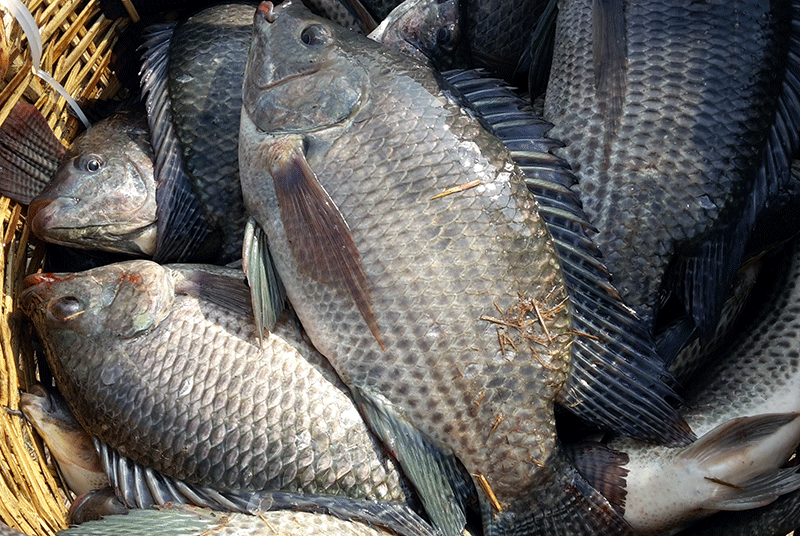
4. Higher Risk of Contamination
Investigations have found that some farmed tilapia may contain:
-
Heavy metals
-
Chemical residues
-
Harmful bacteria
Because tilapia is often raised in freshwater systems that are easily polluted, contamination risks can be higher if water quality is not strictly
controlled.
While not all tilapia is unsafe, consumers usually have no easy way to know how or where the fish was raised.
5. Misleading “Healthy Fish” Reputation
Tilapia is often labeled as a “healthy” fish simply because it is low in fat and calories. But low fat does not automatically mean healthy.
Tilapia lacks many of the protective nutrients found in other fish, such as:
-
High levels of omega-3s
-
Vitamin D
-
Powerful antioxidants
Eating tilapia regularly may give people a false sense of nutritional security while offering limited long-term health benefits.
6. Environmental and Ethical Concerns
Beyond personal health, tilapia farming can have negative environmental impacts:
-
Water pollution
-
Destruction of local ecosystems
-
Spread of disease to wild fish populations
These issues raise ethical questions for consumers who care about sustainability and environmental responsibility.
Does This Mean You Should Never Eat Tilapia?
Not necessarily but caution is essential.
If you choose to eat tilapia:
-
Buy from reputable sources
-
Look for certifications or clear origin labeling
-
Avoid extremely cheap, unlabeled products
-
Consume it occasionally, not as a primary protein source
Healthier Fish Alternatives to Consider
If your goal is better health, consider replacing tilapia with fish that offer stronger nutritional benefits:
-
Salmon (especially wild-caught)
-
Sardines
-
Anchovies
-
Herring
-
Trout
These fish are generally:
-
Higher in omega-3s
-
Lower in contaminants
-
More beneficial for heart and brain health
Final Thoughts
Tilapia’s popularity comes from its low price and mild flavor but those advantages may come at a hidden cost. Its poor nutritional profile,
questionable farming practices, and potential contamination risks are reasons many experts urge consumers to think twice.
Being informed about what you eat is one of the most powerful ways to protect your health. If fish is part of your diet, choosing quality over
convenience can make a meaningful difference in your long-term well-being.
Sometimes, the healthiest choice isn’t the cheapest or the most popular - it’s the one backed by science and transparency.