Oysters are widely known as one of the most nutrient-rich seafood options. They are packed with important nutrients such as protein, zinc, iron, vitamin B12, and omega-3 fatty acids. Because of this impressive nutritional profile, oysters are often considered a healthy food that can support immunity, brain function, and overall well-being.
However, despite their benefits, oysters may not be suitable for everyone. Like many types of seafood, oysters can carry certain risks for specific individuals, particularly if consumed raw or in large amounts. Health experts often recommend that some groups of people be cautious or avoid eating oysters altogether.
Understanding who should limit or avoid oysters can help individuals make safer dietary choices.
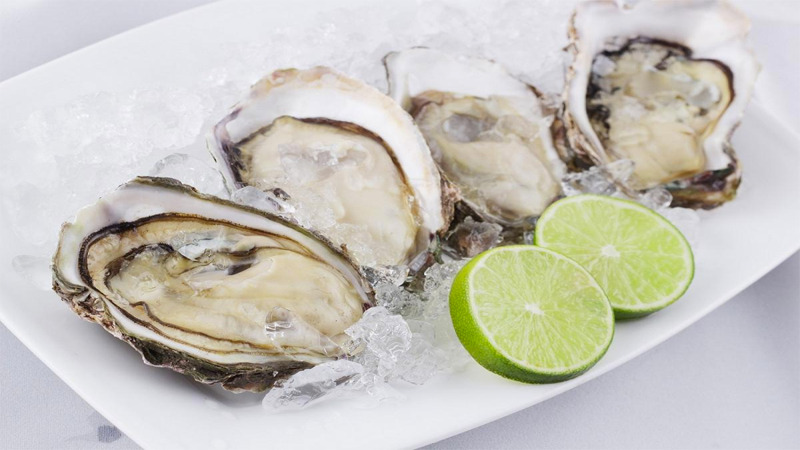
1. People with Shellfish Allergies
One of the most important groups that should avoid oysters is individuals with shellfish allergies. Shellfish allergies are among the most common food allergies and can cause serious reactions.
Even a small amount of oyster can trigger symptoms such as itching, swelling, digestive discomfort, or breathing difficulty in sensitive individuals. In severe cases, allergic reactions can become life-threatening.
People who know they are allergic to shellfish should avoid oysters and other similar seafood products completely.
2. Pregnant Women
Pregnant women are often advised to be cautious about certain seafood, particularly raw or undercooked oysters. Raw oysters can sometimes contain harmful bacteria such as Vibrio, which may lead to foodborne illness.
During pregnancy, the immune system undergoes changes, making women more vulnerable to infections that could affect both mother and baby.
For this reason, many health guidelines recommend that pregnant women avoid raw oysters and only consume seafood that has been thoroughly cooked.
3. People with Weakened Immune Systems
Individuals with weakened immune systems should also be cautious when consuming oysters. This includes people undergoing medical treatments such as chemotherapy, those with chronic illnesses, or individuals with certain immune disorders.
Because oysters are often eaten raw, they may carry bacteria or viruses that the body normally handles without issue. However, people with compromised immune systems may be more susceptible to infection.
In these cases, healthcare professionals often recommend avoiding raw seafood altogether.
4. People with Liver Disease
People with liver disease may face increased risks from certain bacteria sometimes found in raw oysters. One example is Vibrio vulnificus, a bacterium that can cause severe illness in individuals with underlying liver conditions.
Healthy individuals usually recover from mild foodborne infections, but those with liver disease may experience more serious complications.
Because of this risk, medical experts often advise people with liver problems to avoid raw oysters and other potentially contaminated seafood.
5. People with Gout or High Uric Acid
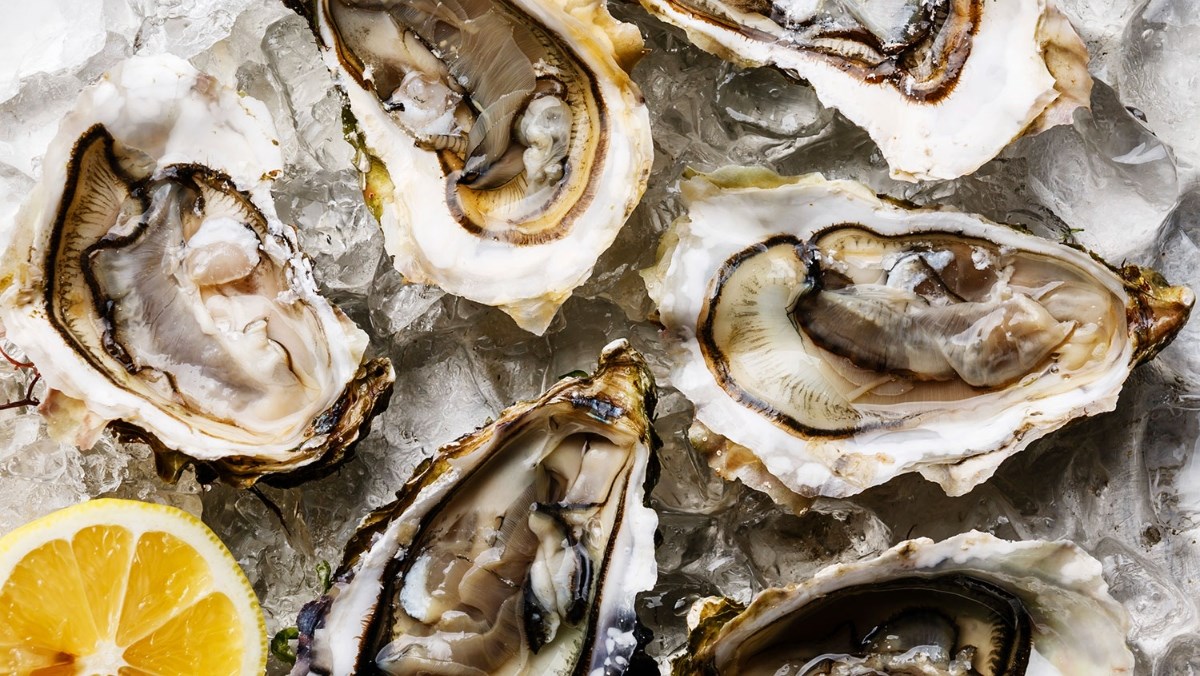
Oysters contain purines, natural compounds that break down into uric acid in the body. For most people, this is not a problem. However, individuals who suffer from gout or elevated uric acid levels may need to be careful.
High purine foods can increase uric acid levels in the bloodstream, which may trigger gout flare-ups in susceptible individuals.
People with gout do not necessarily have to eliminate oysters completely, but they may benefit from limiting their intake and discussing dietary choices with a healthcare professional.
6. People Sensitive to High Cholesterol Foods
Although oysters are relatively low in saturated fat, they do contain cholesterol. For individuals who are managing cholesterol levels or following specific dietary restrictions recommended by healthcare providers, moderation may be important.
While modern research shows that dietary cholesterol does not affect everyone in the same way, people with certain heart conditions may still need to monitor their intake of cholesterol-rich foods.
In such cases, enjoying oysters occasionally rather than frequently may be the safer choice.
The Importance of Proper Preparation
For those who can safely enjoy oysters, proper preparation is essential. Cooking oysters thoroughly helps eliminate many bacteria and parasites that can cause foodborne illness.
Steaming, grilling, or baking oysters until the shells open and the flesh becomes firm can significantly reduce health risks compared to eating them raw.
Purchasing oysters from reputable sources and ensuring they are properly refrigerated also helps maintain food safety.
:quality(75)/2023_3_20_638149134747091822_cach-lam-hau-nuong-mo-hanh-bang-lo-vi-song.jpg)
Nutritional Benefits for Most People
For individuals who are not part of the risk groups mentioned above, oysters can be a highly nutritious food. They are particularly rich in zinc, a mineral that plays an important role in immune function, wound healing, and cell growth.
Oysters also provide high-quality protein and important vitamins such as vitamin B12, which supports nerve function and red blood cell production.
When consumed in moderation as part of a balanced diet, oysters can contribute valuable nutrients that support overall health.
Conclusion
Oysters are widely recognized for their nutritional value, offering a rich source of vitamins, minerals, and protein. However, they may not be suitable for everyone. Individuals with shellfish allergies, pregnant women, people with weakened immune systems, those with liver disease, individuals prone to gout, and people managing cholesterol levels should be cautious when consuming oysters.
Understanding these potential risks allows individuals to make informed dietary decisions while still enjoying the benefits of seafood when appropriate. As with many foods, moderation, proper preparation, and personal health considerations are key to safe and healthy eating.