Cancer remains one of the leading causes of death worldwide, but early detection can significantly improve survival rates. The challenge is that many cancers begin with subtle symptoms that people often ignore or mistake for minor health problems. Health experts emphasize that paying attention to small changes in the body can make a crucial difference in detecting cancer earlier.
Doctors say that while these symptoms do not automatically mean someone has cancer, persistent or unusual changes should never be ignored.
Why Early Symptoms Are Often Missed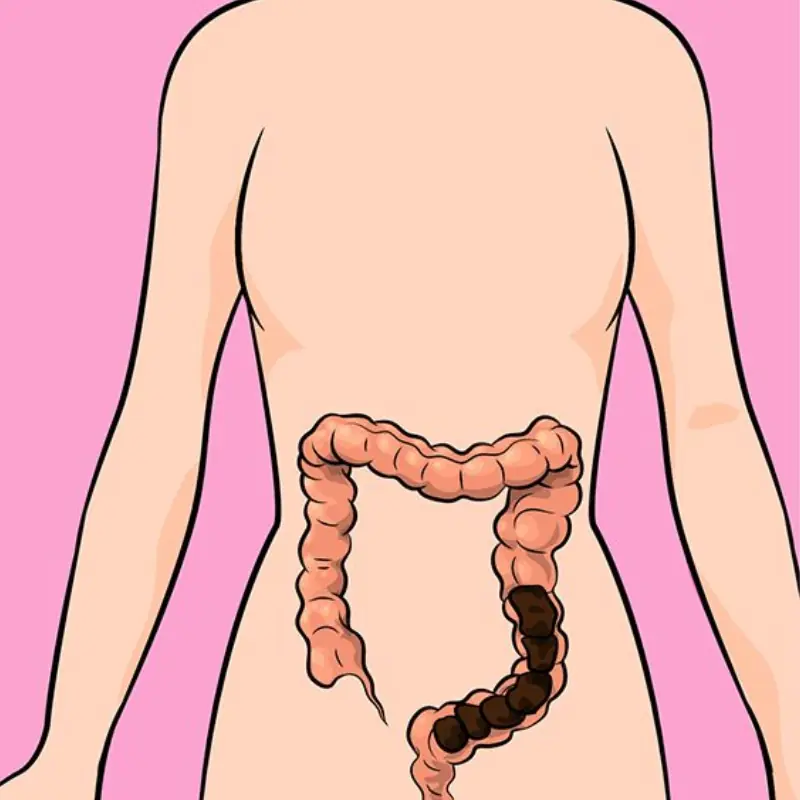
Many early cancer symptoms resemble everyday health issues such as fatigue, headaches, digestive discomfort, or minor pain. Because of this, people frequently attribute them to stress, aging, diet, or lack of sleep.
According to medical experts, cancer can affect almost any part of the body, which is why symptoms vary widely depending on the type and location of the disease. Some symptoms are general—such as fatigue or weight loss—while others affect specific organs.
Recognizing patterns and noticing when symptoms persist longer than expected is an important step toward early diagnosis.
20 Subtle Cancer Symptoms That Should Not Be Ignored
Doctors have identified a number of early warning signs that are commonly overlooked:
1. Unexplained weight loss
Losing weight without changing diet or exercise habits may be an early sign of several cancers, including stomach or pancreatic cancer.
2. Persistent fatigue
Extreme tiredness that does not improve with rest can sometimes be linked to cancers such as leukemia or colon cancer.
3. Frequent fevers
Recurring or unexplained fevers may signal issues with the immune system and can appear in certain blood cancers.
4. Ongoing pain
Pain that persists without a clear cause could indicate problems in bones or organs affected by cancer.
5. Skin changes
Changes in skin color, unusual itching, or new growths may be warning signs of skin cancer or internal cancers.
6. Changes in bowel habits
Long-lasting constipation, diarrhea, or stool changes may indicate colorectal cancer.
7. Difficulty swallowing
Trouble swallowing food may be linked to throat, lung, or esophageal cancers.
8. Chronic cough or hoarseness
A cough that does not go away may signal lung or throat cancer.
9. Unusual bleeding
Blood in urine, stool, or unexplained bleeding may be associated with several types of cancer.
10. Swollen lymph nodes
Painless swelling in the neck, underarms, or groin can sometimes indicate lymphoma.
11. Vision changes
Sudden blurred vision or unusual eye pain may be linked to eye or brain tumors.
12. New lumps or thickening in the body
Any unexplained lump should always be examined by a medical professional.
13. Persistent heartburn or indigestion
Ongoing digestive discomfort could be a sign of stomach or esophageal cancer.
14. Shortness of breath or wheezing
Difficulty breathing may occur in lung or thyroid cancers.
15. Frequent bloating
Persistent bloating may be associated with ovarian or digestive system cancers.
16. Changes in urinary habits
Difficulty urinating or changes in urine flow can signal prostate or bladder cancer.
17. Sexual health changes
Problems such as erectile dysfunction may sometimes be linked to prostate cancer.
18. Constant tiredness or weakness
Cancer cells consume large amounts of energy, leaving the body feeling drained.
19. Persistent fever or infection
Blood cancers may weaken the immune system, leading to recurring illness.
20. Dark streaks under fingernails
A dark line or spot under the nail can be a sign of a rare form of skin cancer known as subungual melanoma.
The Importance of Paying Attention to Your Body
Experts stress that most of these symptoms are far more likely to be caused by non-cancerous conditions. However, ignoring them entirely can delay diagnosis if something serious is developing.
Doctors recommend seeing a healthcare professional if a symptom lasts more than a few weeks, becomes worse, or appears alongside other unusual changes in the body.
Early Detection Saves Lives
Cancer treatments have improved significantly over the years, and survival rates increase when the disease is detected early. Routine health screenings, medical checkups, and awareness of warning signs all play an important role in early diagnosis.
Being attentive to subtle changes in the body does not mean assuming the worst—it simply means taking proactive steps to protect your health.
Final Thoughts
Cancer does not always announce itself with dramatic symptoms. Often, it begins quietly with small changes that are easy to dismiss.
By learning about these subtle warning signs and seeking medical advice when something feels unusual, people can increase their chances of detecting potential health problems earlier—and taking action before they become more serious.