8 Unusual Signs That May Indicate Cervical Cancer Women Should Know Early
Cervical cancer is often called a “silent threat” because its early symptoms can be subtle, easily overlooked, or mistaken for less serious conditions. Many women assume that if there is no pain, there is no problem—but that’s not always true. In reality, the body often sends quiet warning signals long before the condition becomes severe. Recognizing these signs early can make a life-changing difference.
This article explores eight unusual symptoms that may indicate cervical cancer. While these signs do not automatically mean cancer, they should never be ignored.
1. Unusual Vaginal Bleeding
One of the earliest and most common warning signs is abnormal bleeding. This can include bleeding between periods, after intercourse, or even after menopause. Many women dismiss this as hormonal imbalance or stress-related changes.
However, when bleeding becomes irregular or persists over time, it may signal changes in cervical cells. The cervix is sensitive, and any abnormal growth or irritation can cause unexpected bleeding.
2. Watery or Foul-Smelling Discharge
A change in vaginal discharge is often overlooked. Discharge that becomes watery, pale, or has a strong unpleasant odor could be more than just an infection.
In some cases, this happens because cancerous cells begin to break down tissue in the cervix, leading to unusual fluid production. If discharge looks different from your normal pattern and doesn’t go away, it’s worth paying attention.
3. Pelvic Pain Without a Clear Cause
Persistent pelvic pain that is not linked to menstruation can be another red flag. This pain may feel dull, constant, or sometimes sharp.
Many women confuse this with digestive issues or muscle strain. However, when the pain is deep, ongoing, and unexplained, it may be related to changes in the reproductive organs, including the cervix.
4. Pain During Intercourse
Discomfort or pain during intercourse is not something to ignore. While it can have multiple causes, including dryness or infection, it may also indicate inflammation or abnormalities in the cervix.
If this symptom appears suddenly or worsens over time, it should be taken seriously.

 5
5
5. Unexplained Fatigue
Feeling constantly tired, even after rest, may seem unrelated—but chronic fatigue can be a hidden sign. When the body is fighting abnormal cell growth, energy levels can drop significantly.
This type of fatigue often feels deeper than normal tiredness. It may come with weakness, lack of motivation, or difficulty concentrating.
6. Frequent Urination or Discomfort
Changes in urination habits, such as needing to urinate more often or feeling discomfort while doing so, may also be linked.
As cervical abnormalities progress, they can put pressure on nearby organs like the bladder. This leads to symptoms that are often mistaken for urinary tract infections.
7. Lower Back Pain
Persistent lower back pain, especially when combined with other symptoms, can be another warning sign. This pain may radiate from the pelvic area and feel similar to muscle soreness.
However, when it does not improve with rest or treatment, it may be connected to deeper issues involving the reproductive system.
8. Loss of Appetite or Unintended Weight Loss
Sudden weight loss without trying is often a sign that something is wrong in the body. When cancer develops, it can affect metabolism and reduce appetite.
Women may notice they feel full quickly, eat less, or lose interest in food altogether. This is usually a later symptom but still important to recognize.
Why Early Detection Matters
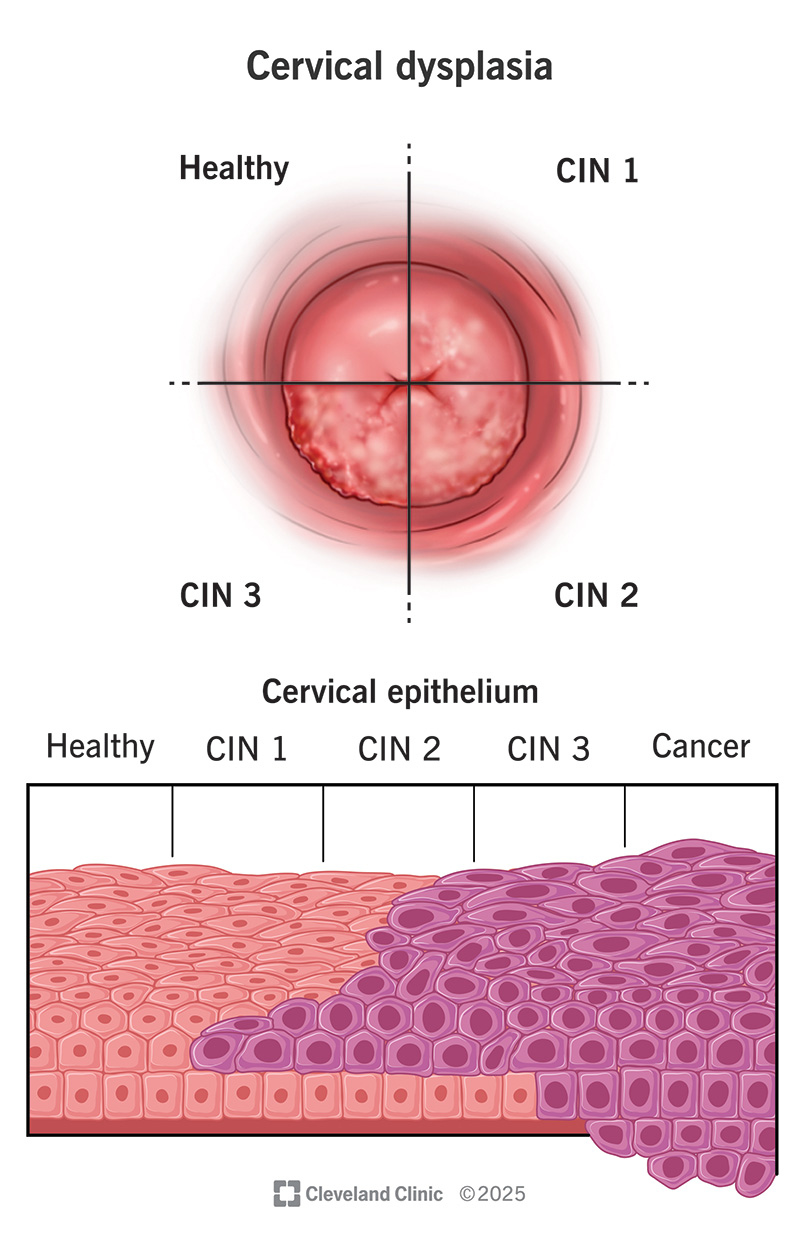
Cervical cancer is one of the most preventable types of cancer when detected early. Regular screening tests, such as Pap smears and HPV testing, can identify abnormal changes before they become dangerous.
The challenge is that many early symptoms are mild or easily ignored. That’s why awareness is critical. Listening to your body and noticing small changes can help catch problems before they escalate.
When to See a Doctor
Not every symptom listed above means cancer. Many can be caused by infections, hormonal changes, or other non-serious conditions. However, it is important to seek medical advice if:
- Symptoms persist for more than a few weeks
- Multiple symptoms appear together
- There is unusual bleeding or pain
- You feel something is “not normal” for your body
Early consultation can provide peace of mind—or catch a problem in time for effective treatment.
Prevention and Awareness
Taking preventive steps can significantly reduce risk:
- Get regular screenings
- Maintain good reproductive health
- Be aware of changes in your body
- Consider HPV vaccination if eligible
Awareness is not about fear—it’s about empowerment. Understanding these signs allows women to take control of their health and act early when needed.
Final Thoughts
Cervical cancer does not always announce itself loudly. Sometimes, it whispers through small, unusual symptoms that are easy to ignore. But those subtle signs can be the body’s way of asking for attention.
Paying close attention, staying informed, and seeking medical advice when something feels off can make all the difference. Early detection saves lives—and awareness is the first step.