Steamed sweet potatoes are often seen as the “safe” comfort food of healthy eating—naturally sweet, filling, and packed with fiber. So the headline in the image feels jarring: a woman who ate steamed sweet potatoes every day was shocked by her liver test results. If sweet potatoes are considered nutritious, how could this happen?
The short answer is that abnormal liver tests are usually not caused by one single food. Instead, they’re often the result of a bigger picture: total calorie intake, blood sugar control, alcohol use, medications and supplements, viral infections, or underlying metabolic conditions. Still, a daily habit—even a healthy one—can become a problem when portions grow, balance disappears, or certain risk factors are already present.
First, what do “liver test results” actually mean?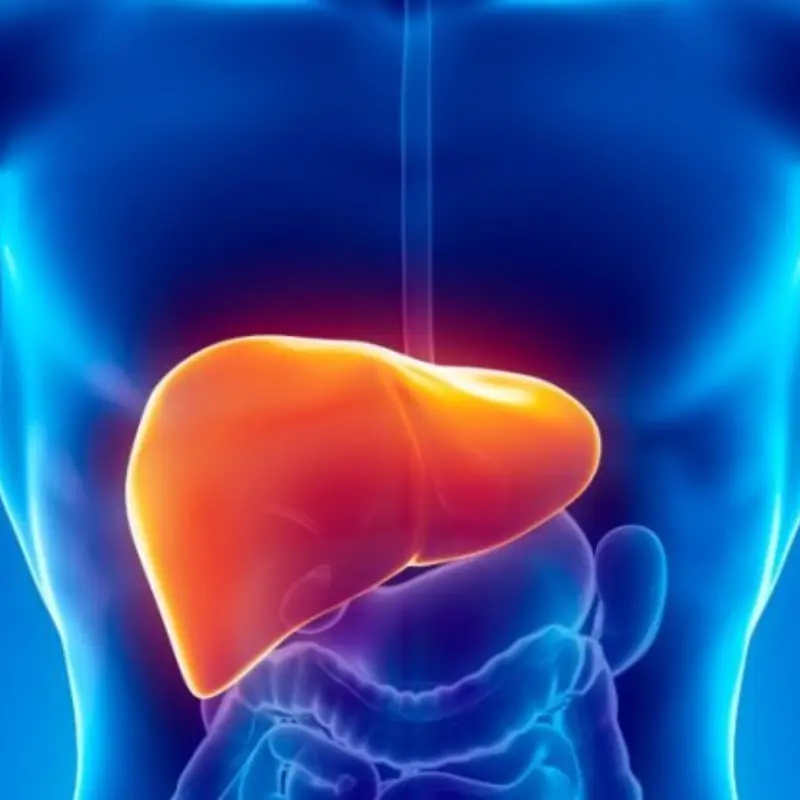
Most routine liver panels measure enzymes such as ALT and AST, along with markers like bilirubin and alkaline phosphatase. Mild elevations can occur for many reasons—some temporary and harmless, others requiring follow-up. Dehydration, intense exercise, and even certain medications can nudge numbers upward. That’s why doctors focus on patterns over time, symptoms, and additional tests rather than one result.
Sweet potatoes aren’t “bad”—but they’re still a carb
Steamed sweet potatoes are nutrient-dense, but they contain carbohydrates and calories. If someone eats large portions daily—especially in addition to other starchy foods—total energy intake can climb quietly. Over weeks and months, that can contribute to weight gain and insulin resistance in susceptible people.
One of the most common causes of elevated liver enzymes today is fatty liver disease (often linked to excess body fat and metabolic health). People can develop fatty liver even without obvious symptoms, and the condition is strongly tied to overall calorie surplus and blood sugar patterns—not to a single “unhealthy” ingredient.
In other words, the issue may not be “sweet potatoes hurt the liver,” but rather: a one-food routine displaced variety, pushed calories higher, or worsened glucose control, nudging the liver toward fat buildup.
The hidden trap: “healthy” foods can lead to overeating
Many people feel safe eating bigger servings when a food has a healthy reputation. Steamed sweet potatoes are filling, but they can also be easy to overdo—especially if used as a snack multiple times a day or paired with calorie-dense additions like butter, sweetened condensed milk, coconut cream, or sugary sauces.
Even without toppings, a “normal” portion can become two or three portions without anyone noticing, particularly when the food is comforting and convenient. When that happens daily, the math adds up.
What else might be going on?
If a woman’s liver tests were unexpectedly abnormal, clinicians would usually consider several other common factors:
1) Alcohol and social drinking
Even moderate drinking can affect liver enzymes in some people, especially when combined with weight gain or certain medications.
2) Medications and supplements
Pain relievers (especially high-dose acetaminophen), some antibiotics, anti-seizure drugs, and certain cholesterol medications can raise liver enzymes. Herbal supplements and “detox” products can also stress the liver—even when marketed as natural.
3) Viral hepatitis and infections
Hepatitis viruses (A, B, C) and other infections can change liver tests, sometimes with few early symptoms.
4) Gallbladder or bile duct issues
If alkaline phosphatase or bilirubin is elevated, doctors may look for bile flow problems rather than fatty liver.
5) Metabolic risk factors
High triglycerides, prediabetes/diabetes, high blood pressure, and central weight gain all raise the risk of fatty liver. In those cases, the liver may be reacting to metabolic stress more than any specific food.
If you love sweet potatoes, how to eat them safely
You don’t need to fear steamed sweet potatoes. But it helps to treat them as part of a balanced pattern:
-
Keep portions reasonable (think one serving, not unlimited).
-
Pair with protein (eggs, yogurt, tofu, fish, chicken, beans) to steady blood sugar and improve fullness.
-
Add vegetables for volume and micronutrients.
-
Limit sugary toppings and high-fat add-ons if you’re watching weight or liver markers.
-
Rotate your staples: oats, brown rice, potatoes, legumes, whole grains—variety matters.
When to get checked
If you frequently feel fatigue, right-side abdominal discomfort, nausea, dark urine, yellowing of the skin/eyes, or if liver enzymes remain elevated on repeat testing, see a clinician. Ask about a full review of medications and supplements, metabolic screening, and whether imaging (like ultrasound) is appropriate.
The message behind the image is important: unexpected symptoms or test results deserve follow-up. But the takeaway shouldn’t be panic about sweet potatoes. It should be a reminder that health is rarely about one “good” or “bad” food—it’s about the overall pattern, and what your body is telling you when something shifts.