Coconut Water Is Tasty and Healthy, Perfect for Staying Refreshed in the Summer — But These Groups of People Should Avoid Drinking It
Coconut water has long been praised as one of nature’s most refreshing beverages. Clear, mildly sweet, and naturally hydrating, it is especially popular during hot summer months when the body loses water and electrolytes through sweat. Packed with potassium, magnesium, and other essential minerals, coconut water is often marketed as a “natural sports drink” and a healthier alternative to sugary sodas.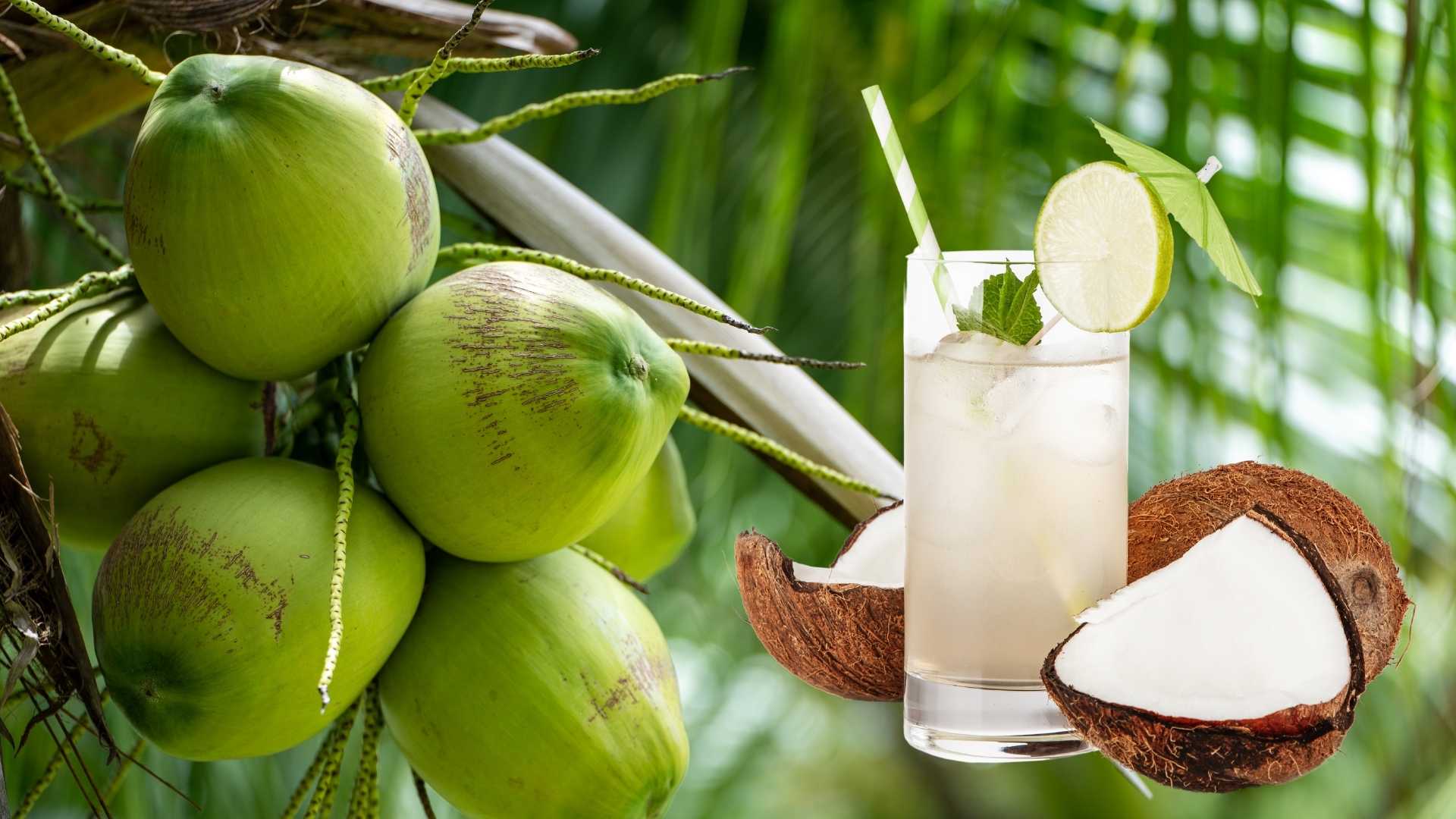
However, while coconut water offers many benefits, it is not suitable for everyone. For certain groups of people, drinking coconut water regularly — or in large amounts — may pose health risks. Understanding both its advantages and limitations is key to using this popular drink wisely.
Why Coconut Water Is Considered Healthy
Coconut water is low in calories and fat, making it appealing for people who want to stay hydrated without consuming excessive sugar. One cup of coconut water typically contains around 45–60 calories, along with electrolytes such as potassium, sodium, calcium, and magnesium. These minerals help regulate fluid balance, support muscle function, and maintain healthy nerve signaling.
Because of its electrolyte content, coconut water can be beneficial after mild exercise, outdoor activities, or long hours in hot weather. It may help reduce dehydration-related fatigue and support quicker recovery. Additionally, coconut water contains antioxidants that help combat oxidative stress in the body.
Despite these benefits, “natural” does not always mean “risk-free.” Coconut water can interact with certain health conditions in ways many people do not expect.
Who Should Avoid or Limit Coconut Water?
1. People with Kidney Disease
Coconut water is particularly high in potassium. While potassium is essential for heart and muscle function, people with kidney disease often have difficulty excreting excess potassium. Drinking coconut water regularly may cause potassium levels to rise dangerously, leading to symptoms such as muscle weakness, irregular heartbeat, or even life-threatening cardiac complications.
For individuals with chronic kidney disease, advanced kidney impairment, or those on dialysis, coconut water should be avoided unless specifically approved by a healthcare professional.
2. People with Low Blood Pressure
Coconut water has natural blood pressure–lowering effects due to its potassium and magnesium content. While this can be beneficial for individuals with hypertension, it may cause dizziness, lightheadedness, or fainting in people who already have low blood pressure.
If you often experience symptoms such as fatigue, blurred vision, or dizziness when standing up, consuming coconut water frequently may worsen these issues.
3. People Taking Certain Medications
Coconut water can interact with medications that affect blood pressure, heart rhythm, or kidney function. For example, people taking ACE inhibitors, potassium-sparing diuretics, or medications for heart conditions may face an increased risk of hyperkalemia (excess potassium in the blood).
Additionally, coconut water may enhance the effects of blood pressure medications, potentially causing blood pressure to drop too low. Anyone on long-term medication should consult a doctor before making coconut water a daily habit.
4. People with Diabetes (If Consumed Excessively)
Although coconut water contains less sugar than fruit juice or soda, it still contains natural sugars. Drinking large quantities can cause blood sugar levels to rise, especially in people with diabetes or insulin resistance.
For individuals managing blood sugar levels, coconut water should be consumed in moderation and ideally without added sweeteners or flavorings. Checking labels is essential, as many packaged coconut waters contain added sugar.
5. People Prone to Electrolyte Imbalances
Because coconut water is rich in electrolytes, excessive intake may disrupt the body’s electrolyte balance. This can be especially problematic for people with hormonal disorders, adrenal issues, or those who already consume electrolyte supplements.
In rare cases, excessive coconut water intake has been associated with muscle cramps, nausea, and abnormal heart rhythms due to mineral imbalance.
How to Enjoy Coconut Water Safely
For healthy individuals, coconut water can be a refreshing and beneficial drink when consumed in moderation. One glass (200–250 ml) per day is generally considered safe for most people. It is best consumed plain, without added sugar, and not used as a complete replacement for regular water.
Coconut water should be treated as a functional beverage rather than an unlimited thirst-quencher. Drinking it occasionally after exercise or during extreme heat is far more beneficial than consuming it throughout the day.
The Bottom Line
Coconut water is undeniably refreshing, nutritious, and well-suited for hot summer days. However, it is not a one-size-fits-all health drink. People with kidney disease, low blood pressure, certain medical conditions, or those taking specific medications should be cautious or avoid it altogether.
As with many health foods, the key lies in balance and personal suitability. Listening to your body — and seeking medical advice when necessary — will help you enjoy coconut water safely and reap its benefits without unintended risks.