One Simple Sleep Posture Mistake Could Be Twisting Your Neck and Damaging Your Spine — Here’s How to Fix It
Sleep is meant to heal your body, not harm it. Yet every night, millions of people unknowingly fall into a sleep posture that quietly strains their neck, twists their spine, and sets the stage for chronic pain. The problem isn’t how long you sleep — it’s how you sleep.
One of the most common mistakes is sleeping on your side with your neck bent forward or twisted downward into the pillow, while your spine curves unnaturally. Over time, this position places constant pressure on the cervical spine, compresses nerves, and disrupts proper spinal alignment.
Why this posture is more dangerous than you think
Your spine is designed to stay in a neutral, straight alignment — from your head all the way down to your hips. When you sleep with your neck sharply angled or unsupported, the muscles and ligaments around your cervical vertebrae remain under tension for hours. Unlike daytime strain, your body doesn’t get breaks during sleep.
This sustained stress can lead to:
-
Morning neck stiffness or pain
-
Headaches that start at the base of the skull
-
Shoulder and upper back tightness
-
Tingling or numbness in the arms
-
Long-term disc degeneration or nerve compression
Many people dismiss these symptoms as “sleeping wrong once in a while.” In reality, repeating this posture night after night compounds the damage.
The pillow problem: too high, too low, or too soft
Your pillow plays a critical role in spinal health. A pillow that’s too high forces your neck to bend sideways, while a pillow that’s too low allows your head to collapse downward. Soft pillows may feel comfortable at first but often lose support during the night, letting your neck drift into harmful angles.
When side sleeping, your pillow should fill the space between your ear and shoulder — no more, no less. The goal is to keep your neck aligned with your spine, not tilted up or down.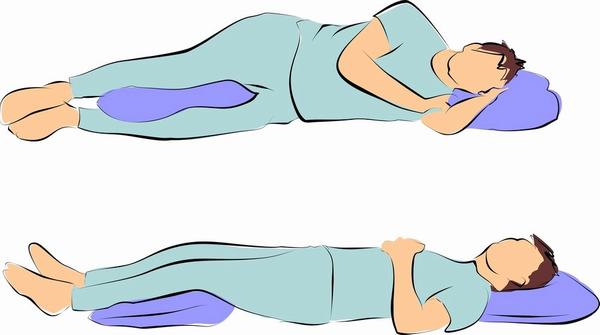
The correct way to sleep on your side
Side sleeping can actually be healthy if done correctly. Here’s how to fix the posture mistake that’s hurting your spine:
-
Choose the right pillow height
Your pillow should keep your head level with your spine. Memory foam or contour pillows often work best because they maintain shape throughout the night. -
Align your neck, not just your head
Your neck should be fully supported, not hanging off the pillow or bent forward. The pillow should cradle the neck’s natural curve. -
Keep your shoulders off the pillow
Only your head and neck belong on the pillow. Letting your shoulder rest on it forces your neck upward. -
Support your lower body
Place a pillow between your knees. This keeps your hips aligned and prevents spinal twisting further down the body. -
Avoid curling into a tight fetal position
Excessive curling shortens muscles and increases spinal flexion. Keep your body relaxed and slightly extended instead.
What about sleeping on your back?
Sleeping on your back is often considered the most spine-friendly position — but only if done properly. Use a pillow that supports the natural curve of your neck without pushing your head forward. Placing a small pillow under your knees can reduce pressure on the lower back and maintain spinal neutrality.
However, if you snore heavily or have sleep apnea, side sleeping may still be preferable — just with correct alignment.
Signs your sleep posture is harming you
Your body often sends warning signals long before serious damage occurs. Pay attention if you:
-
Wake up with neck pain that improves during the day
-
Feel stiffness that lasts more than 30 minutes after waking
-
Experience recurring headaches without a clear cause
-
Notice numbness or weakness in your arms
These are not normal signs of “getting older.” They are red flags that your spine is under nightly stress.
Small changes, big long-term impact
You don’t need expensive equipment or drastic lifestyle changes to protect your spine. Adjusting your pillow, correcting your alignment, and becoming aware of your sleep posture can dramatically reduce strain on your neck and back.
Remember: you spend nearly one-third of your life sleeping. If your posture is wrong, that’s thousands of hours of silent damage. But if it’s right, sleep becomes one of your strongest tools for healing, recovery, and long-term spinal health.
Fixing this one simple mistake tonight could mean fewer aches tomorrow — and a healthier spine for years to come.