Fish is often praised as a healthy source of protein, omega-3 fatty acids, and essential nutrients. However, not all fish are equally safe or
beneficial, especially when price is the main factor driving your choice. Some inexpensive fish come with hidden risks - from high toxin levels
to poor farming practices and sustainability concerns.
Below are six types of fish you may want to avoid or limit, even if they’re widely available and budget-friendly, along with clear
explanations of why they can be harmful to your health.
1. High-Mercury Fish (e.g., King Mackerel, Shark, Swordfish)
Some fish naturally accumulate mercury, a heavy metal that is toxic to the nervous system.
Why they’re risky:
-
Mercury builds up in the body over time
-
Can affect brain function, memory, and coordination
-
Particularly dangerous for pregnant women, children, and older adults
Common examples:
-
King mackerel
-
Shark
-
Swordfish
-
Tilefish
Even if these fish are sold cheaply in some markets, regular consumption is not recommended.
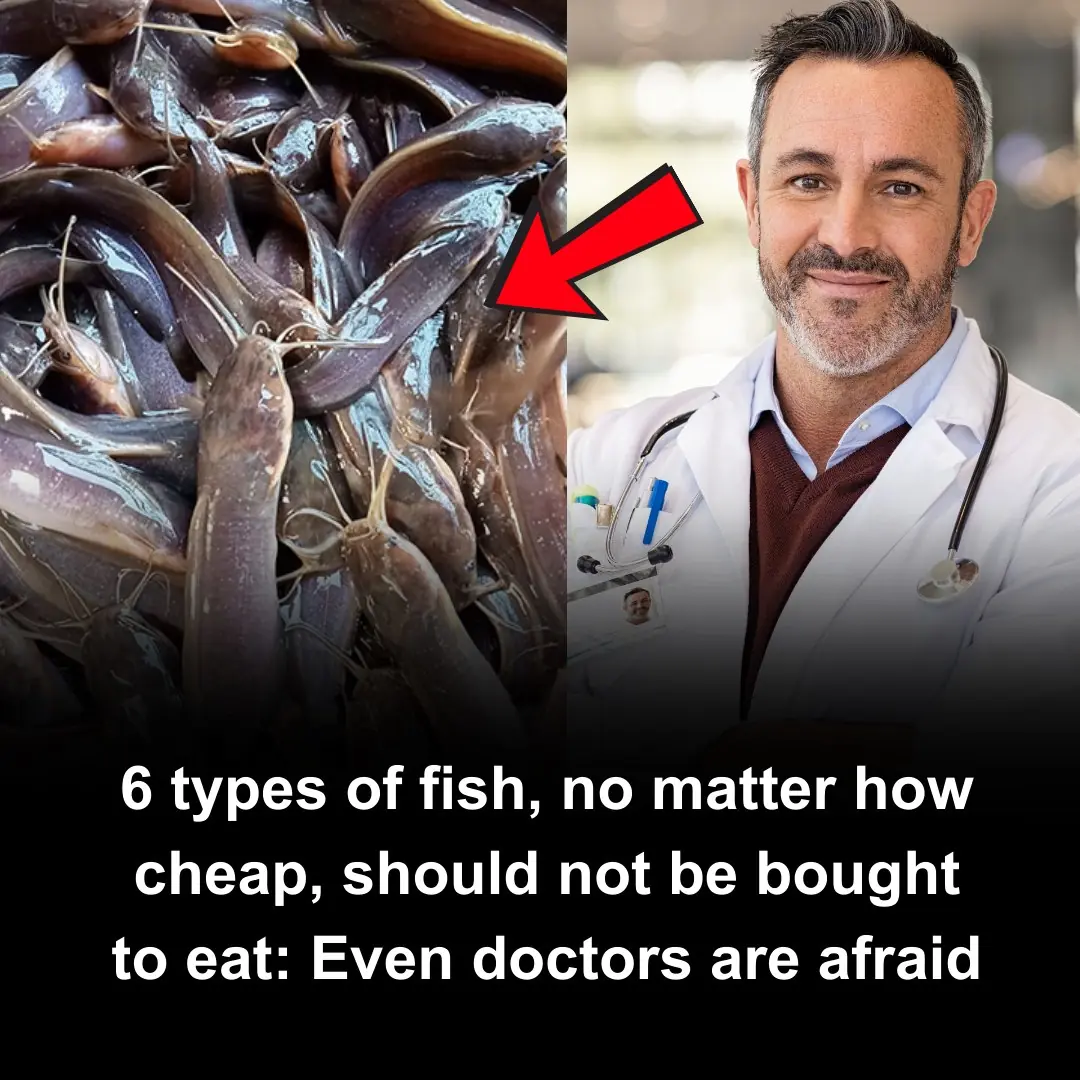
2. Farmed Catfish (from Poorly Regulated Sources)
Catfish itself isn’t inherently bad—but the problem lies in how and where it’s farmed.
Potential concerns:
-
Raised in overcrowded ponds
-
Exposure to antibiotics and chemicals
-
Higher risk of bacterial contamination
In regions with weak regulation, farmed catfish may contain residues that pose long-term health risks.
Tip: If you eat catfish, choose products from well-regulated sources and cook thoroughly.
3. Tilapia (Low Nutritional Value, Farming Issues)
Tilapia is often marketed as a cheap, healthy fish—but it comes with drawbacks.
Why to be cautious:
-
Very low in omega-3 fatty acids
-
Higher omega-6 fats, which may promote inflammation when overconsumed
-
Frequently farmed in poor conditions
While tilapia isn’t toxic, it offers less nutritional benefit compared to other fish, making it a poor choice if eaten frequently.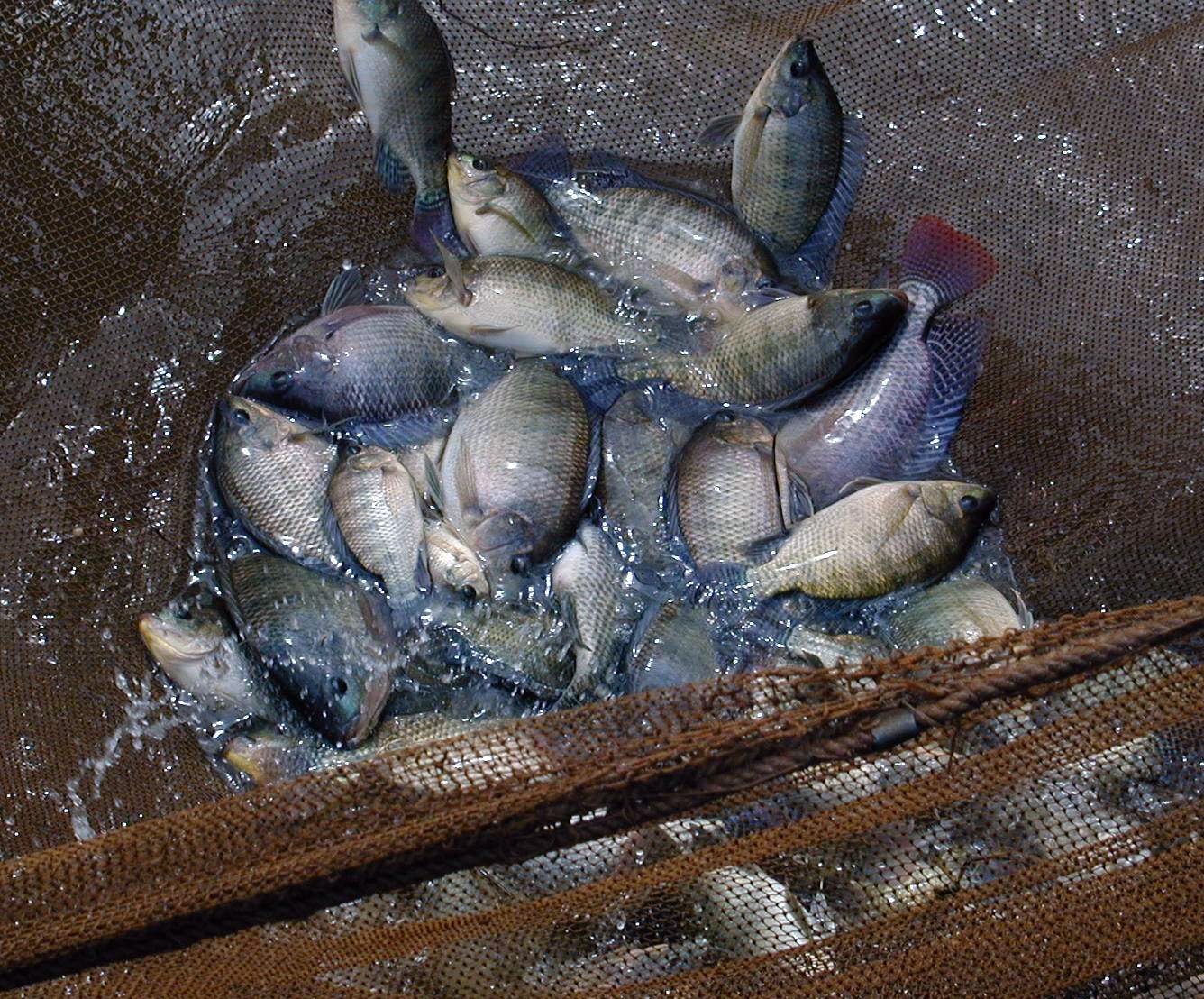
4. Imported Farmed Shrimp (Often Heavily Treated)
Shrimp is popular and affordable, but much of the cheap shrimp on the market is imported from intensive farms.
Risks include:
-
Use of antibiotics banned in some countries
-
Chemical preservatives to improve appearance
-
Poor sanitation during farming and processing
These factors increase the risk of antibiotic resistance and foodborne illness.
Better option: Look for wild-caught or responsibly farmed shrimp with clear labeling.
5. Fish With High Parasite Risk (e.g., Raw or Undercooked Freshwater Fish)
Some inexpensive freshwater fish carry parasites if not handled or cooked properly.
Health risks:
-
Intestinal parasites
-
Liver or bile duct infections
-
Long-term digestive complications
Common examples include:
-
Certain carp species
-
Raw freshwater fish used in unregulated dishes
Always ensure fish is properly cooked, especially if sourced cheaply or locally.
6. Canned Fish of Unknown Origin
Canned fish can be convenient and cheap—but quality varies widely.
Possible issues:
-
Poor-quality fish used in processing
-
Excessive sodium
-
Oxidized fats from improper storage
-
Lack of clear origin labeling
Some low-cost canned fish products may also contain higher levels of contaminants due to low sourcing standards.
What to do: Choose reputable brands and check labels carefully.
Why “Cheap” Can Be Misleading When It Comes to Fish
Low prices often reflect:
-
Poor farming conditions
-
Lack of quality control
-
Environmental contamination
-
Inferior nutritional value
Saving money upfront may cost more later in terms of health.
Healthier Fish Choices Instead
If you want safer and more nutritious options, consider:
-
Sardines
-
Salmon (especially wild-caught)
-
Anchovies
-
Herring
-
Trout
These fish are generally:
-
Lower in mercury
-
Higher in omega-3s
-
More sustainably sourced
Tips for Safer Fish Consumption
-
Vary the types of fish you eat
-
Avoid eating the same fish species every day
-
Pay attention to sourcing and labeling
-
Cook fish thoroughly
-
Limit consumption of large predatory fish
Final Thoughts
Fish can be an excellent part of a healthy diet but cheap fish isn’t always a bargain. Some low-cost options come with hidden health risks that outweigh their affordability.
Being informed about what you eat allows you to make smarter choices - not just for your wallet, but for your long-term well-being.