
The Night I Was Called the “Family Mistake”—and the Day They Came Back in Tears
The Night I Was Called the “Family Mistake”—and the Day They Came Back in Tears
Story 25/02/2026 00:37
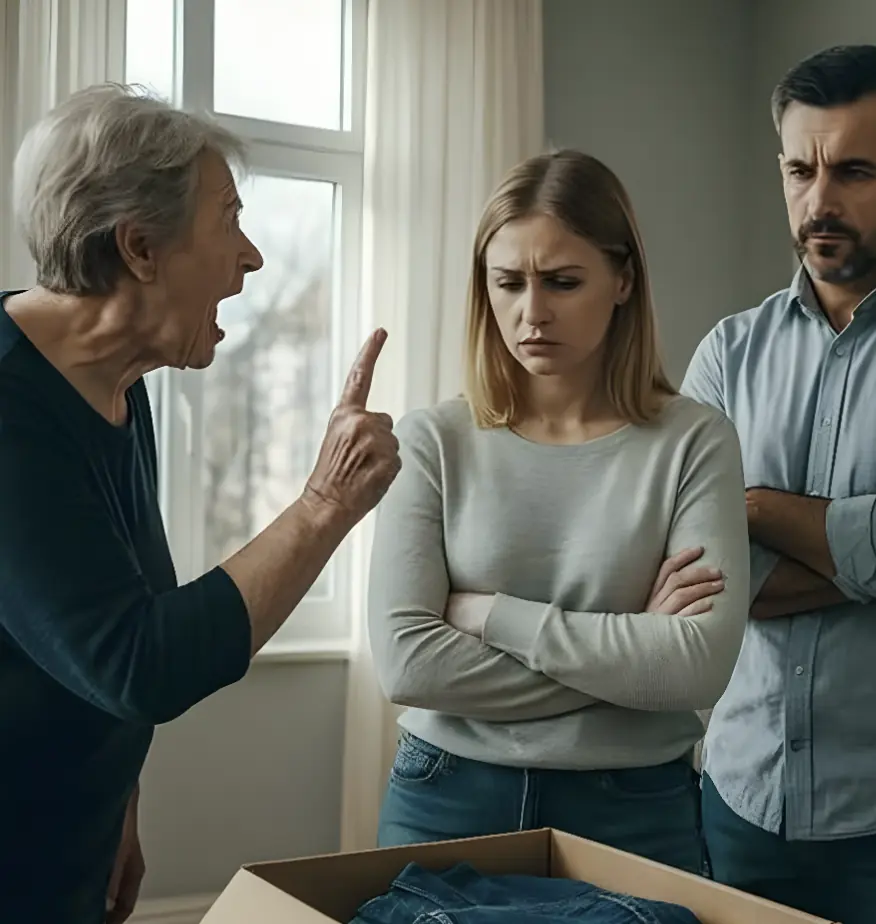
Marina had always believed that a home was more than walls and furniture. It was a feeling—a sense of safety, warmth, and belonging. When she married Alexei, she imagined building that feeling together, slowly and patiently, in the small apartment they had saved for over years of work. She never imagined that the greatest challenge to her idea of home would come not from strangers, but from family.
The conflict began quietly, almost politely.
Alexei’s mother, Galina Petrovna, arrived one afternoon with two suitcases and a careful smile. She said it was temporary. Just a few weeks, she explained, while her own apartment underwent renovations. Marina welcomed her with tea and fresh linens, determined to be kind.
At first, everything seemed manageable.
Galina woke early, cooked elaborate breakfasts, and insisted on reorganizing the kitchen “for convenience.” Marina smiled and thanked her, even when she could no longer find her favorite mug. She told herself this was what families did—adjusted, compromised, endured small discomforts for harmony.
But harmony proved fragile.
By the second week, Marina noticed how Galina’s comments became sharper. The soup was too salty. The curtains were hung incorrectly. Marina’s work-from-home schedule was “not real work.” Each remark landed softly but left bruises all the same.
Alexei tried to stay neutral.
“She’s just old-fashioned,” he said. “She means well.”
Marina nodded, though unease settled deeper in her chest. She had left her own parents’ home to build a life with Alexei, not to return to feeling like a child under constant inspection.
One evening, Marina came home to find the living room transformed. The couch had been moved, the shelves rearranged, and family portraits of Alexei’s childhood now dominated the walls.
“What happened here?” Marina asked, forcing a calm tone.
Galina emerged proudly.
“I made it cozier,” she said. “Now it feels like a real family home.”
Marina smiled thinly.
“It already was,” she replied.
Galina’s eyes narrowed slightly, but she said nothing.
That night, Marina couldn’t sleep. She felt like a guest in her own apartment. Every object now seemed to whisper that she did not quite belong.
The real turning point came on a Sunday morning.
Marina was preparing breakfast when Galina entered the kitchen, holding a set of keys.
“I gave a copy to my neighbor,” Galina said casually. “In case of emergencies.”
Marina froze.
“Our apartment keys?” she asked.
“Yes,” Galina replied. “It’s practical.”
Marina felt her hands tremble.
“You should have asked,” she said quietly.
Galina shrugged. “I don’t see the problem. This is my son’s home.”
That sentence echoed painfully.
Marina waited until Alexei returned from work that evening. She told him everything—the comments, the changes, the keys. Her voice shook, not from anger, but exhaustion.
“I feel erased,” she said. “Like I don’t exist in my own home.”
Alexei rubbed his temples.
“She’s my mother,” he said. “She has nowhere else to go right now.”
“I’m your wife,” Marina replied softly. “And I’m losing my home.”
The words hung heavily between them.
Days passed in cold politeness. Marina stopped correcting Galina. She stopped decorating. She stopped inviting friends over. Slowly, she began to shrink inside her own life.
One afternoon, Marina overheard Galina speaking on the phone.
“She’s too sensitive,” Galina said. “Young women these days want independence, but they forget who raised their husbands.”
Marina felt something inside her snap—not loudly, but completely.
That evening, Marina packed a small bag.
Alexei watched in shock.
“Where are you going?” he asked.
“To my sister’s,” Marina replied. “I need space to breathe.”
Galina scoffed from the doorway.
“Running away won’t solve anything.”
Marina turned to her calmly.
“No,” she said. “But staying silent already solved too much—and none of it was good.”
Alexei followed Marina to the door.
“Please don’t go,” he said. “We can talk.”
“We’ve been talking,” Marina replied. “But no one has been listening.”
She left.
The apartment felt strangely lighter without her, but also emptier. Alexei noticed it first in small things—unfinished cups of tea, quiet evenings, meals eaten alone. Galina filled the silence with television and complaints, but the warmth was gone.
After a week, Alexei visited Marina at her sister’s apartment.
“I didn’t realize how much you were hurting,” he admitted. “I thought keeping the peace meant doing nothing.”
Marina looked at him steadily.
“Peace isn’t silence,” she said. “It’s respect.”
Alexei nodded. For the first time, he truly understood.
The next day, Alexei spoke to his mother.
“Mom,” he said carefully, “this is Marina’s home too. You can stay, but things need to change.”
Galina was offended.
“I sacrificed everything for you,” she said.
“I know,” Alexei replied. “But I won’t sacrifice my marriage.”
The words stunned them both.
Galina stayed quiet for a long time. Finally, she agreed to find temporary housing with a relative until her renovations were complete.
When Marina returned home, the apartment felt unfamiliar—but in a hopeful way. The portraits were gone. The furniture restored. The keys reclaimed.
Galina returned weeks later for short visits. Boundaries were awkward at first, but slowly respected.
Marina learned that protecting her home did not make her selfish.
Alexei learned that love required action.
And Galina learned that being a mother did not mean ruling a household forever.
The conflict had not destroyed their family.
It had redefined it.
And in doing so, Marina finally reclaimed what she had always believed in.
A home where she truly belonged.
The Night I Was Called the “Family Mistake”—and the Day They Came Back in Tears

Standing My Ground: When “Family First” Turned Into a Threat

My “Golden Child” Sister Tried to Turn My First Home Into Her Family’s Free Ride

A “Family Weekend” That Turned Into a Lesson They Won’t Forget

A Signature, a Family Secret, and the $9.8 Million Silence

And how long will this freeloader continue to live it up at our expense? She’s been here three months, eating wine and red caviar

A weak woman forbade her husband from entering the hospital room. The doctor turned pale upon discovering the truth

My Husband Brought His Girlfriend Home—But When He Followed Me, He Discovered the Truth He Never Expected

I hid the truth about my business and income from my fiancé and his family, and at a family dinner they found out the truth

The future bride arrived at the groom’s family home, dictating her terms. But the mother-in-law was wiser

The Promise My Stepfather Made On My Graduation Day
Living Between Two Homes Taught Me What My Stepmother Was Really Trying to Do

My Mother-in-Law and I Cried Over the Same Baby Blanket

The Day My Stepfather Defended Me Without Saying Much

My Stepmother Sat in the Front Row When No One Else Did

The Letter My Mother-in-Law Never Meant for Me to Read Changed Everything

The Weekend My Stepfather and I Finally Said What We Were Afraid To Admit

Living with My Stepmother After the Divorce Wasn’t the End of My Family

My Mother-in-Law and I Stopped Competing the Day We Shared the Same Fear

The Stepfather I Refused to Call Dad Never Gave Up on Me

Got a Large Spot on Your Skin? Here’s What You Should Know

Seeing Strange Bruises on Your Body? Read This First
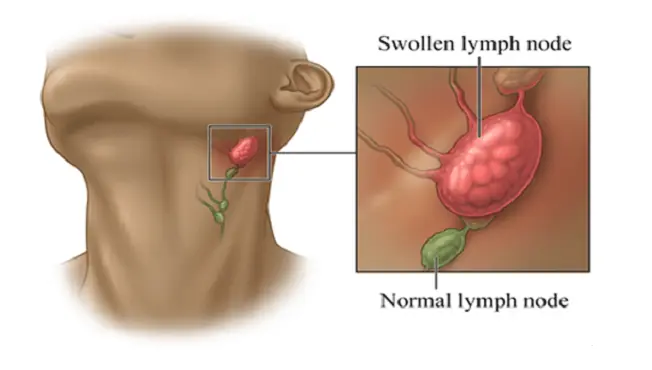
Clinical Red Flags for Swollen Lymph Nodes in the Neck

Spot These 10 Early Red Flags of Kidney Disease Before It’s Too Late

Once Ignored, Now Celebrated: The Wild-Growing Vegetable Being Called a “Miracle Herb” for Health

It’s as if your body is quietly asking for a break — not another diet, not another supplement, but something deeper.

Cats are curious, independent creatures—and while that’s part of their charm, it can also be the source of stress when one suddenly disappears.

8 Best Anti-Cancer Foods You Should Add to Your Diet

When sinus pressure builds, your head feels heavy, your nose refuses to drain, and even simple breathing can feel exhausting.

Romantic relationships are full of ups and downs, but one timeless truth remains: love thrives on simple moments and deep emotional bonds.

A single morning habit. One overlooked warning. And a medical emergency that changed everything.


Vicks VapoRub is one of the most popular ointments in the world, widely known for relieving nasal congestion, colds, and muscle pain.

This soothing herbal infusion helps promote healthier vision
A powerful 2-ingredient solution that beats bleach at removing grout mold

Mini-str.oke in your 40s and later: The warning sign many people ignore

Signs That May Indicate Kidney Damage

2 Warning Signs Your Liver May Be Failing — Don’t Ignore Them

Who Should Avoid Eating Oysters? 6 At-Risk Groups