Easily restore your scratched non-stick pan.
No need to throw away your non-stick pans that you've accidentally scratched. There are tips to help you continue using them as good as new.
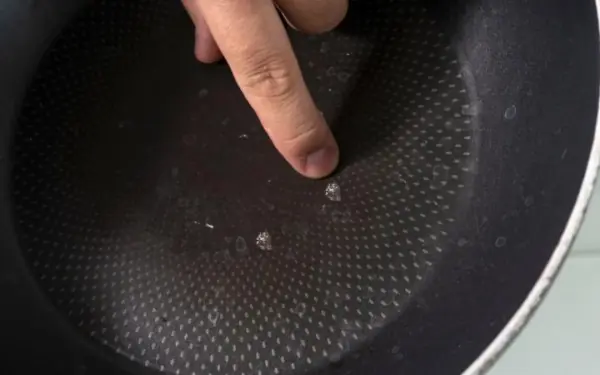
Tips for Restoring the Non-Stick Ability of Your Pan
Before trying any methods to restore a non-stick pan, it is important to clean it properly. Make sure the pan is free of grease and food residues. Use warm water mixed with a bit of dish soap and avoid using metal scrubbers to prevent scratching the non-stick surface.
Here are some tips for restoring the non-stick ability of your pan:
Using Sea Salt
Sea salt not only helps with cleaning but also restores the non-stick surface. Sprinkle a thick layer of sea salt onto the pan and heat it for a few minutes. Once the pan cools down, wipe off the salt with a soft cloth. This method helps remove grime and leaves the surface cleaner.
Using Cooking Oil or Coconut Oil
Cooking oil and coconut oil can help restore the natural non-stick layer. After cleaning the pan, pour a small amount of oil into it and use a paper towel to evenly spread the oil over the surface. Heat the pan over medium heat for about 10 minutes, then let it cool naturally. The heat helps the oil absorb into the surface, creating a more effective non-stick layer.
Restoring the Non-Stick Surface with White Vinegar
White vinegar is an excellent natural cleaner. Mix white vinegar with water in a 1:1 ratio, bring it to a boil in the pan for a few minutes, and let it cool. The vinegar solution will help remove stains and restore a smooth surface to the pan. Afterward, wash the pan and dry it.
Using Vinegar and Baking Soda
The combination of vinegar and baking soda can help remove stubborn grime and restore the non-stick layer. Pour one cup of white vinegar into the pan, heat it slightly, then add two tablespoons of baking soda. The mixture will bubble and help clean off the stubborn grease. After it cools, rinse the pan with clean water.
Using Potatoes to Restore the Non-Stick Ability of Your Pan
Instead of buying a new pan, you can try restoring the non-stick layer with potatoes. Cut a potato in half and use the cut side to rub the surface of the pan.
Sprinkle a small amount of sea salt on the cut side of the potato and gently rub it in circular motions over the entire interior surface of the pan. Make sure to cover the entire area that needs restoration. After rubbing with the potato, pour some cooking oil into the pan. Use a paper towel or soft cloth to evenly spread the oil across the surface. This helps create a new protective layer for the pan.
To keep your non-stick pan like new, avoid habits that can damage it, such as using metal utensils when cooking, leaving the pan empty on high heat, and using strong cleaning products or abrasive scrubbers.
To maintain the non-stick ability, regularly care for your pan with cooking oil. After each wash, dry the pan and apply a thin layer of oil to the surface. This helps protect the non-stick coating and extend the pan's lifespan.