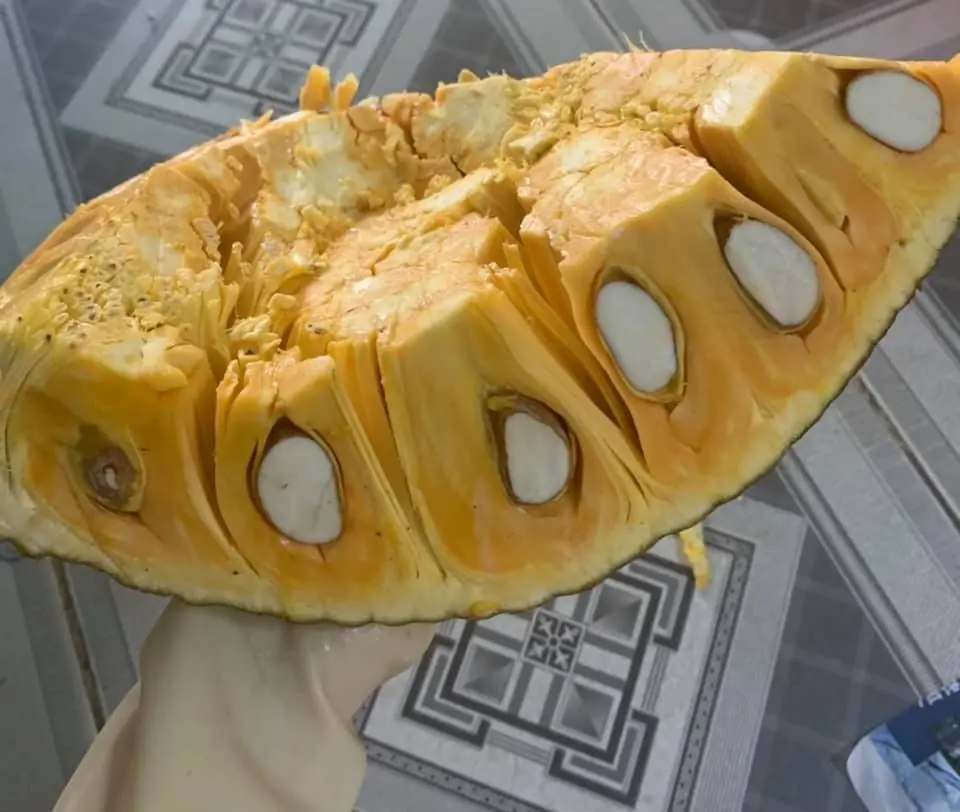
Jackfruit Isn’t Suitable for Everyone: Who Should Limit It?
When It’s Best to Avoid Jackfruit: 5 Health Considerations
Health 27/02/2026 17:15
You have just drifted off to sleep when suddenly you feel like you are falling and are jerked awake.
What happened?
You just experienced what is known as a “sleep start” or “hypnic jerk." Technically defined as “sudden brief, simultaneous contractions of the body or one or more body segments occurring at sleep onset” (AASM, 2014), these starts seem to occur either without warning or in response to a stimulus, such as a noise in the bedroom. Typically, people feel as if they're falling, or may hear a loud banging or snapping noise. Sometimes visual effects are reported with aspects of dreaming or perhaps flashing lights. These jerking movements can also occur in an annoying series, making it difficult to fall asleep.
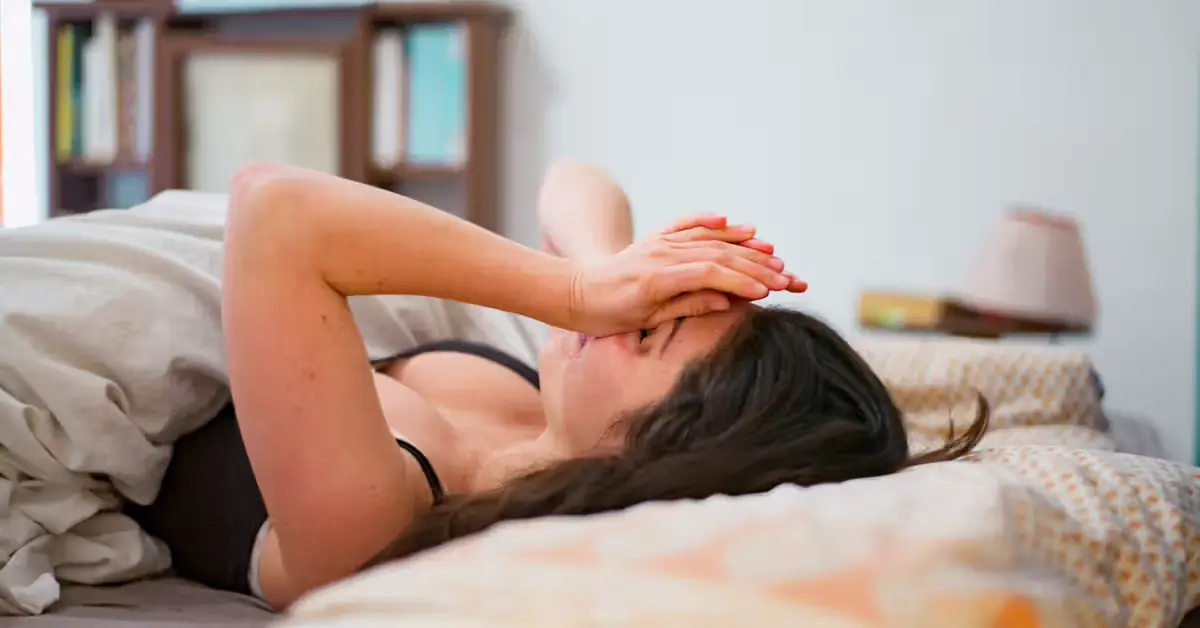
Research explains who most often experiences these incidents and when they happen, but the cause is still undetermined.
Approximately 70% of people have experienced sleep starts. Males and females of all ages report them occurring with equal frequency. Several factors can impact their occurrence, though, including excessive caffeine consumption, intense stress, and too little sleep. Occasionally they can occur so frequently that they contribute to the development of insomnia. If very strong, the starts or movements can cause fear of falling asleep. The worry and anxiety associated with them can result in sleep deprivation.
Hypnic jerks may just be a normal part of falling asleep but are either not noted or quickly forgotten. There are no known pathological causes. Indeed, the cause is unknown but may be the result of output from the brainstem reticular formation that becomes activated during the transition between wakefulness and sleep. Sleep starts are very similar to the startle experience we have during the day when, for example, we hear a loud, sudden noise behind us. It may be that, as in the startle response, sensory processing is primary, with secondary motor actions caused by the reticular formation in the brainstem.

Polysomnography has confirmed that hypnic jerks occur at the start of sleep episodes, during the transition to sleep when people are drowsy, or in Stage One sleep. If the jerking movements are very strong, they can be associated with significant arousal, including rapid heartbeat and irregular breathing. It's not uncommon for people to be awakened from light sleep as a result of a sleep start.
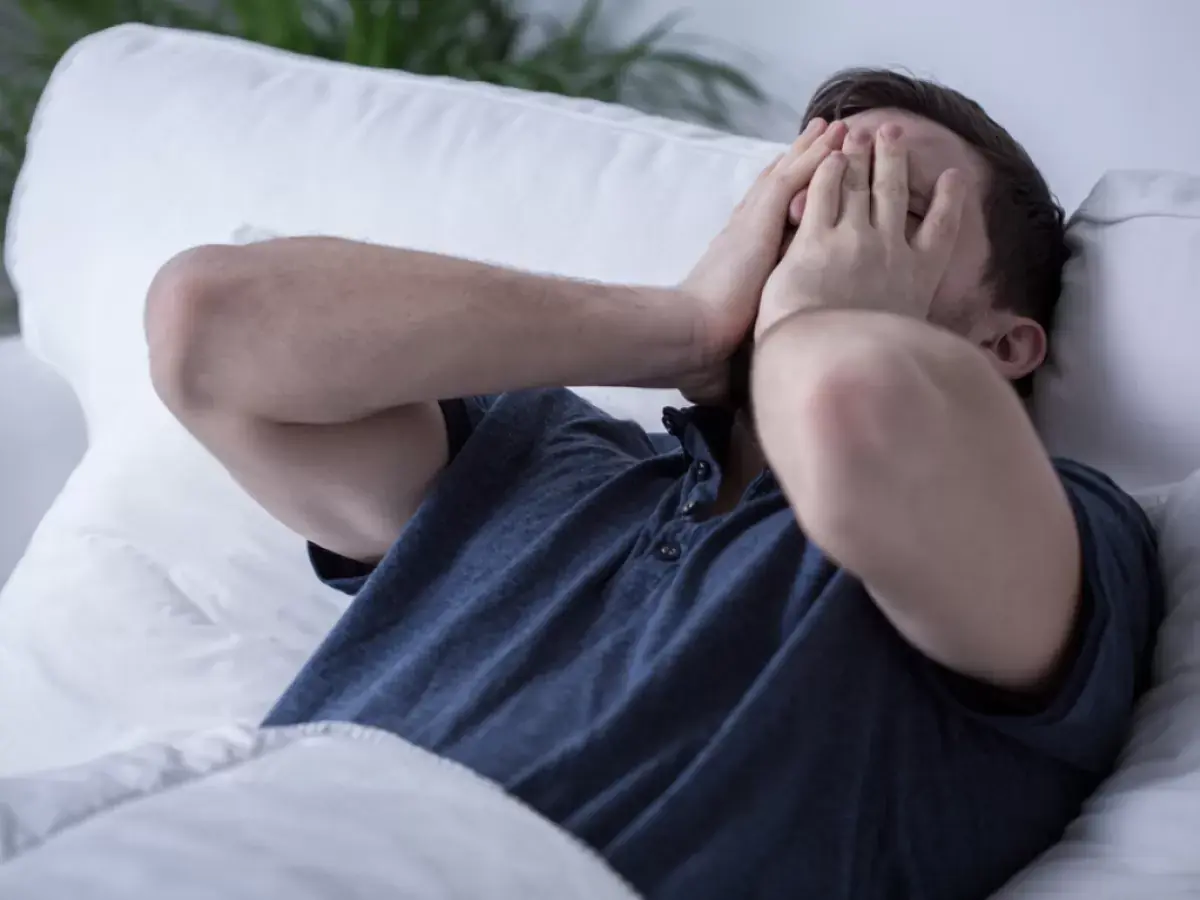
Typically sleep starts are benign and require only reassurance that they are not harmful. This is the case for most people. If however, someone is experiencing frequent hypnic jerks that result in insomnia, it is important to consult a physician to rule out sleep-related movement disorders or other pathological causes.
It is possible to develop a treatment plan that would most likely include approaches such as reduced caffeine intake and better stress management.
When It’s Best to Avoid Jackfruit: 5 Health Considerations

Nothing drains your energy more than the battles you fight inside your own mind. Release what is beyond your control

Eating Instant Noodles Every Day for a Month — A Wake-Up Call for Your Health
New findings point to a possible developmental pathway related to au.tism

What Really Happens When You Eat a Banana Before Bed According to Doctors

Wild Violets: The Overlooked Plant with Remarkable Health Benefits

One Key Tip for Choosing Cabbage: Guaranteed Crunchy and Sweet Flavor

From Root to Table: The Health Benefits of Cassava and How to Prepare It Safely

asil is one of the most beloved and versatile aromatic herbs in the natural world — and beyond its distinctive flavor, its leaves hide remarkable medicinal power 🌸.

Boiled eggs have been a dietary staple for centuries, valued for their simplicity, affordability, and impressive nutritional profile.

A common daily drink that may negatively affect your bone health

The Importance of Beans in Controlling Diabetes.

Onions are among the most widely consumed vegetables in the world and appear in countless cuisines across cultures.
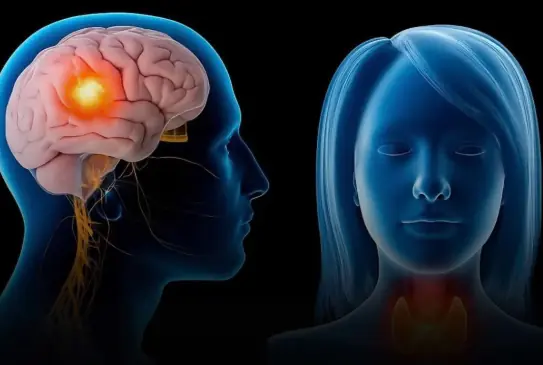
Your Guide to Head & Neck Canc3r: What Raises Your Risk, What Symptoms to Watch For, and How to Stay Safe
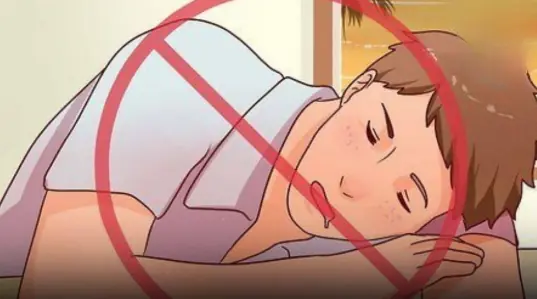
The process of salivation is controlled by the autonomic nervous system, so the process of salivation is involuntary, like the heartbeat.

The best times of day to eat sweet potatoes for maximum nutritional impact
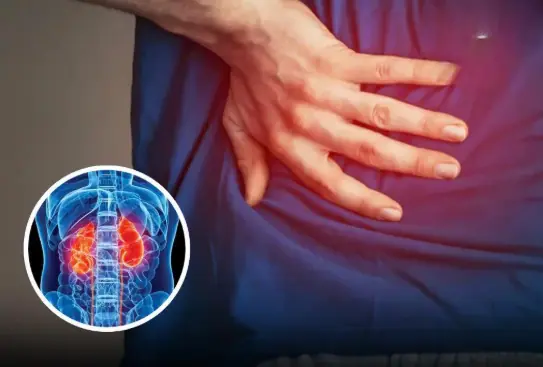
5 Silent Night Symptoms That May Indicate Kidney Dam:age

Clove (Syzygium aromaticum) is a widely used spice known for its rich aroma and medicinal properties.
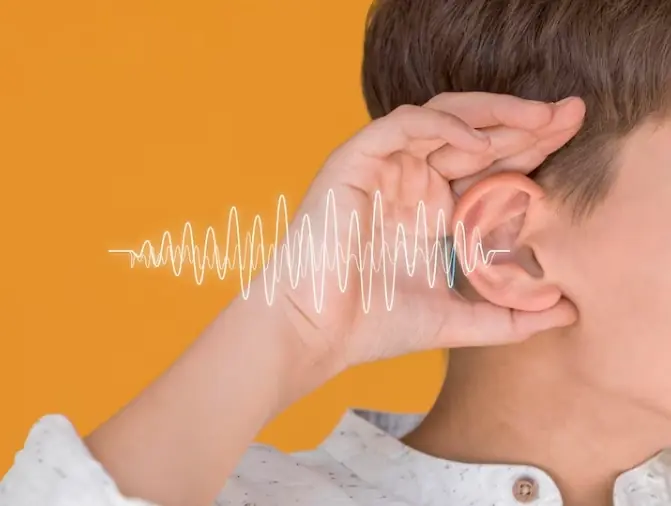
If you can hear your heartbeat when resting, doctors advise paying attention to it

Why do nail clippers include a small hole? The hidden reason revealed

Which natural plants can help prevent mice from entering your home?
When It’s Best to Avoid Jackfruit: 5 Health Considerations

The Practical Benefits of Using Salt and Fabric Softener for Home Care
Nothing drains your energy more than the battles you fight inside your own mind. Release what is beyond your control
Eating Instant Noodles Every Day for a Month — A Wake-Up Call for Your Health
New findings point to a possible developmental pathway related to au.tism

A Guide to Picking the Best-Tasting Tomatoes
What Really Happens When You Eat a Banana Before Bed According to Doctors
Wild Violets: The Overlooked Plant with Remarkable Health Benefits
One Key Tip for Choosing Cabbage: Guaranteed Crunchy and Sweet Flavor
From Root to Table: The Health Benefits of Cassava and How to Prepare It Safely
asil is one of the most beloved and versatile aromatic herbs in the natural world — and beyond its distinctive flavor, its leaves hide remarkable medicinal power 🌸.
Boiled eggs have been a dietary staple for centuries, valued for their simplicity, affordability, and impressive nutritional profile.
A common daily drink that may negatively affect your bone health
The Importance of Beans in Controlling Diabetes.
Onions are among the most widely consumed vegetables in the world and appear in countless cuisines across cultures.
Your Guide to Head & Neck Canc3r: What Raises Your Risk, What Symptoms to Watch For, and How to Stay Safe

The Truth about Sleepwalking