Noticing bubbles or foam in your urine can be surprising—and sometimes concerning. While occasional foam is usually harmless, persistent or excessive foamy urine may be a sign that something deeper is going on in your body.
Understanding the possible causes can help you decide when it’s nothing to worry about—and when it’s time to seek medical advice.
What Is Foamy Urine?
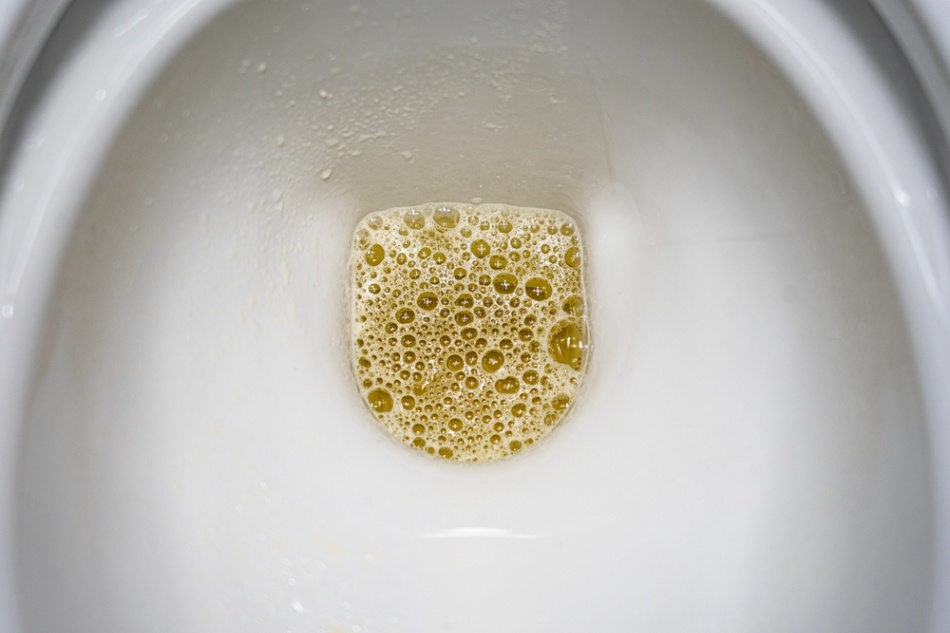
Foamy urine refers to urine that appears bubbly or frothy, similar to the foam you might see when pouring a drink too quickly.
In many cases, this is temporary and harmless. However, if the foam appears frequently or doesn’t go away, it may indicate changes in urine composition.

Common and Harmless Causes
1. Fast Urination
If you urinate quickly or with strong force, it can create bubbles.
Why it happens:
- Increased pressure causes air to mix with urine
Key point:
The foam usually disappears quickly.
2. Dehydration
When you’re not drinking enough water, your urine becomes more concentrated.
Signs include:
- Dark yellow color
- Strong odor
- Occasional foam
What to do:
Drink more fluids and monitor changes.
3. Cleaning Products in the Toilet
Sometimes, foam is not coming from your body at all.
Cause:
- Residue from cleaning agents reacting with urine
This is harmless and often overlooked.
When Foamy Urine May Be a Concern
4. Protein in the Urine (Proteinuria)
One of the most important medical causes of persistent foamy urine is proteinuria.
What it means:
- The kidneys are allowing protein (such as albumin) to leak into the urine
- This may indicate kidney dysfunction
Associated symptoms:
- Swelling in hands, feet, or face
- Fatigue
- Changes in urination
5. Kidney Disease
Foamy urine can be an early sign of kidney problems.
Why:
Healthy kidneys filter waste while keeping essential proteins in the bloodstream. Damage to this filtering system can lead to protein leakage.
6. Urinary Tract Infections (UTIs)
In some cases, infections may alter urine appearance.
Possible signs:
- Burning sensation when urinating
- Frequent urge to urinate
- Cloudy or strong-smelling urine
7. Other Medical Conditions
Less commonly, foamy urine may be linked to:
- Diabetes (affecting kidney function)
- High blood pressure
- Certain autoimmune conditions
When Should You See a Doctor?
You should seek medical advice if:
- Foamy urine persists for several days
- Foam is thick and consistent
- You notice swelling, fatigue, or changes in urination
- You have risk factors like diabetes or high blood pressure
A doctor may recommend:
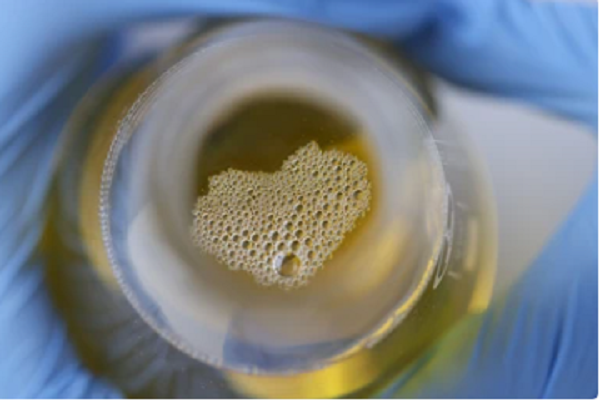
- Urine tests (to check for protein)
- Blood tests (to assess kidney function)
What You Can Do to Improve the Situation
1. Stay Hydrated
Drinking enough water helps dilute urine and supports kidney function.
2. Monitor Your Symptoms
Pay attention to patterns—when foam appears and how long it lasts.
3. Maintain a Healthy Lifestyle
- Eat a balanced diet
- Limit salt intake
- Exercise regularly
4. Manage Underlying Conditions
If you have diabetes or high blood pressure, proper management is essential for protecting your kidneys.
The Bottom Line
Foamy urine is often harmless and temporary, especially when caused by fast urination or mild dehydration. However, persistent foam can be an early warning sign of kidney-related issues, particularly protein leakage.
The key is awareness. If the symptom continues or appears alongside other changes, it’s important to get it checked. Early detection can make a significant difference in maintaining kidney health and preventing more serious complications.