The sudden and involuntary contraction of muscles can be intense and last anywhere from a few seconds to several minutes. While they are typically harmless, recurring night cramps may be a sign that your body is trying to tell you something important about your health.
In this article, we will explore the causes of night cramps, what your body might be signaling when these cramps occur, and tips on how to prevent and manage them.
What Are Night Cramps?
Night cramps are sudden, painful contractions of the muscles that usually happen while you’re resting or sleeping. These cramps typically occur during the early hours of the night, but they can happen at any time when you are lying still. They most commonly affect the calf muscles but can also occur in the thighs, feet, or legs.
Though the cramping itself can last only a few seconds, the discomfort may linger for some time afterward. In severe cases, the pain can wake you up from your sleep, leaving you feeling stiff and sore the next day.
What Your Body is Trying to Tell You
Night cramps are not just random, painful interruptions to your sleep; they may be an indicator of an underlying issue. Here are some possible causes of night cramps and what they may reveal about your overall health:
1. Dehydration
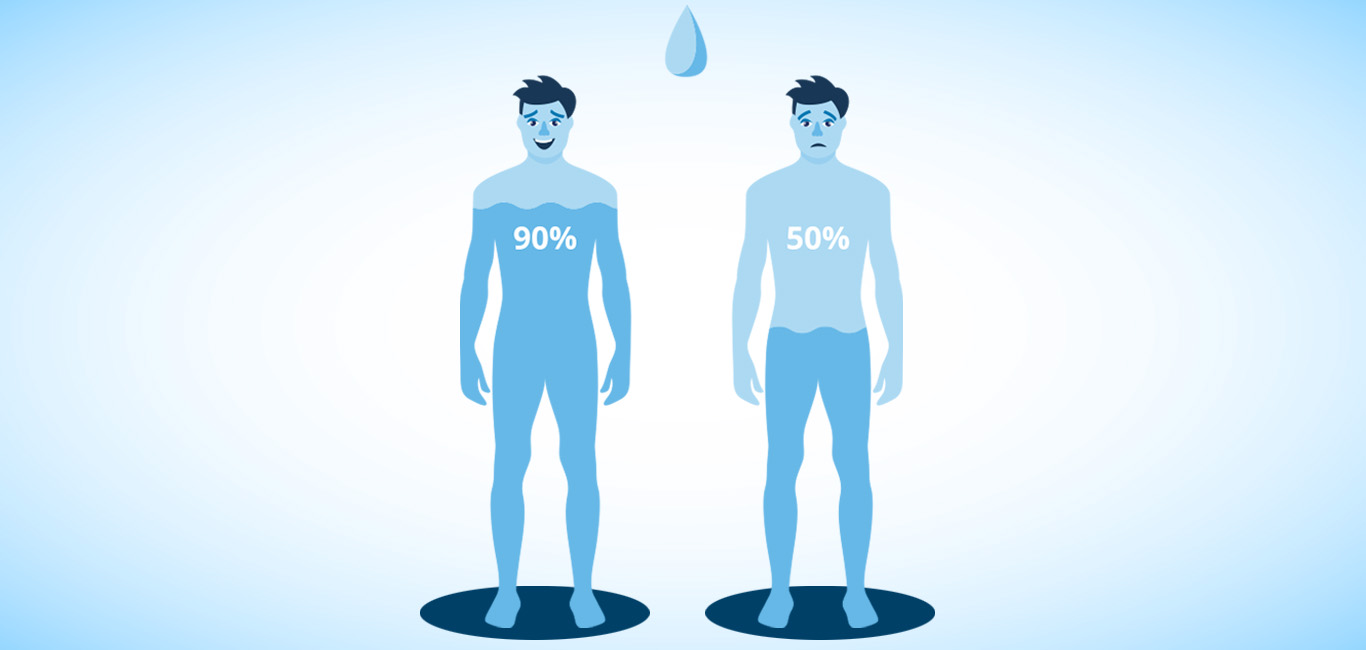
One of the most common causes of night cramps is dehydration. When the body does not have enough water, muscles may not function properly, leading to spasms and cramps.
-
Why It Happens: Dehydration reduces the amount of water and electrolytes (like potassium and sodium) available for muscle function, making it more likely for muscles to cramp.
-
What It Means: If you are experiencing night cramps frequently, your body may be signaling that you are not drinking enough water or losing too many electrolytes, which are necessary for healthy muscle function.
2. Electrolyte Imbalance
Electrolytes are minerals like potassium, calcium, magnesium, and sodium that are essential for muscle function. An imbalance in these minerals can lead to muscle spasms and cramps, especially at night.
-
Why It Happens: Poor dietary intake, dehydration, or even excessive sweating (like during exercise) can result in low levels of key electrolytes in the body, making muscles prone to cramping.
-
What It Means: If night cramps are occurring often, your body may be signaling an electrolyte imbalance, which can be corrected with better hydration and proper nutrition.
3. Poor Circulation

Inadequate blood flow to the muscles can cause cramping, particularly during rest periods. Poor circulation is common in individuals who have vascular issues, obesity, or spend long periods sitting or standing still.
-
Why It Happens: When circulation is compromised, muscles don’t receive enough oxygen and nutrients, which can lead to cramping.
-
What It Means: If night cramps are occurring frequently, it may indicate poor circulation or a circulatory problem that needs attention. Improving circulation through regular movement and elevating your legs while resting may help.
4. Sedentary Lifestyle
A sedentary lifestyle, where you spend long hours sitting or lying down without moving, can contribute to muscle stiffness and cramping. This is particularly true for individuals who spend hours in front of a screen or sitting at a desk.
-
Why It Happens: Lack of movement causes the muscles to become stiff, which can lead to cramps when you finally do try to use them after prolonged periods of inactivity.
-
What It Means: If night cramps are frequent, your body is telling you that it needs more regular movement to keep the muscles limber and relaxed.
5. Overexertion or Overuse of Muscles
Exercise is good for the body, but overdoing it can lead to muscle fatigue, dehydration, and imbalances in electrolytes, which can trigger night cramps.
-
Why It Happens: Intense physical activity, especially when muscles are pushed beyond their limits without proper rest or hydration, can lead to cramping.
-
What It Means: If night cramps follow heavy exercise or physical exertion, it may mean that your muscles are not getting enough recovery time or hydration, and they are struggling to cope with the physical stress.
6. Medications and Health Conditions
Certain medications and health conditions may increase your risk of experiencing night cramps. Medications like diuretics (used to treat high blood pressure or fluid retention) can cause electrolyte imbalances, while conditions like diabetes, kidney disease, and neurological disorders may also be associated with muscle cramps.
-
Why It Happens: Medications that alter fluid balance or affect nerve function can increase the likelihood of muscle spasms. Chronic diseases such as diabetes and kidney disease can affect nerve signals or electrolyte balance, contributing to cramps.
-
What It Means: If you are taking medications or have an existing health condition and are experiencing frequent night cramps, your body may be indicating that medical intervention or a change in medication is needed.
How to Prevent and Treat Night Cramps
If night cramps are disrupting your sleep, here are some practical steps you can take to alleviate the pain and prevent future occurrences:
1. Stay Hydrated
-
Drink plenty of water throughout the day to ensure that your body is properly hydrated. If you exercise or sweat heavily, be sure to replenish electrolytes with drinks that contain potassium, magnesium, and sodium.
2. Stretch Before Bed
-
Perform gentle stretches to relax your muscles before bed. Focusing on the calves, thighs, and feet will help loosen the muscles and reduce the likelihood of cramping during sleep.
3. Use Proper Foot Positioning
-
While sleeping, ensure that your feet are not in an awkward position, such as pointing downward for long periods. You can use a pillow to elevate your feet and keep them in a neutral position.
4. Maintain a Balanced Diet
-
Eat foods rich in magnesium, potassium, and calcium, such as bananas, leafy greens, dairy products, and nuts. These nutrients are essential for muscle function and can help prevent cramps.
5. Avoid Excessive Physical Activity
-
If you’re prone to cramps, avoid intense physical activity or heavy exercise before bedtime. Stretching and cooling down after exercise can help relax your muscles.
6. Consider Medical Advice
-
If night cramps persist despite lifestyle changes, consider talking to your doctor. They can assess whether an underlying health condition or medication might be contributing to your cramps and suggest appropriate treatment.
When to Seek Medical Attention
In most cases, night cramps are benign and can be managed through self-care strategies. However, if you experience:
-
Severe or prolonged cramps that don’t go away
-
Swelling, weakness, or numbness in the legs
-
Pain associated with other symptoms, such as fever, chills, or redness
It’s important to seek medical attention. These could be signs of more serious conditions such as nerve damage, vascular issues, or an underlying health problem that needs to be addressed.
Conclusion
Night cramps are a common problem, but they shouldn’t be ignored. They can be a sign that your body needs more hydration, nutrients, or movement. Paying attention to the underlying causes and addressing them through lifestyle changes can significantly reduce the frequency of cramps and improve sleep quality. In cases where cramps persist or worsen, consulting a healthcare provider is crucial to rule out any underlying medical conditions. By taking proactive steps, you can avoid discomfort and ensure that your sleep is restful and uninterrupted.