If You See These 6 Signs on Potatoes, Don’t Buy Them—No Matter How Cheap. They Could Be Toxic. Even Sellers Won’t Use Them
If you notice any of these signs on potatoes, it’s best not to bring them home.
Potatoes are a staple ingredient in every kitchen, used in countless delicious dishes. However, not all potatoes are of good quality. Sometimes at the market, you might come across potatoes that show warning signs of being unsafe to eat.
To avoid buying poor-quality food, here are 6 signs to watch for. If your potatoes show any of these, think twice before adding them to your cart.
1. Potatoes Turning Green
One of the clearest signs that a potato is no longer fresh is when its skin has a greenish hue. This green color means the potato has been exposed to light for too long, which leads to the production of solanine—a naturally occurring toxin. Consuming large amounts of solanine can cause symptoms like headaches, vomiting, and diarrhea. So if the potato is green, it’s best not to buy it.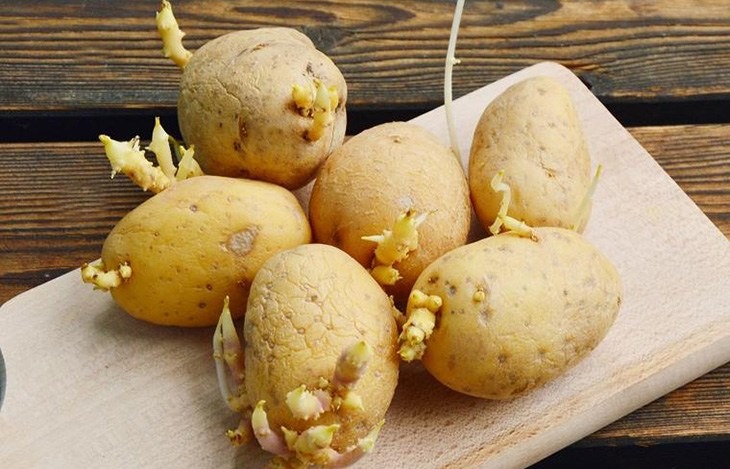
2. Sprouted Potatoes
Sprouting indicates the potato is old or has been stored improperly. These sprouts can contain high levels of solanine, making the potato unsafe to eat. While it's technically possible to eat sprouted potatoes after removing the sprouts, regular consumption may still harm your health. It's safer to avoid buying sprouted potatoes altogether.
3. Potatoes with Bruises or Cracks
Bruised or cracked potatoes are often already spoiled or no longer fresh. These blemishes reduce the quality of the potato and can also become breeding grounds for bacteria. Potatoes with visible damage are more likely to be rotten inside, so it’s better to steer clear.
4. Potatoes with a Strange Smell
Fresh potatoes typically have little to no smell, or just a faint earthy scent. If you detect a sour, rotten, or moldy odor, it means the potato is spoiled or has been invaded by bacteria. A strange smell is a strong warning that you shouldn’t buy or use those potatoes.
5. Soft or Mushy Potatoes
Fresh potatoes should feel firm and solid. If a potato feels soft or mushy—especially when you press its skin—it’s likely gone bad or is too old. Not only do soft potatoes lose their crisp texture, but they may also harbor harmful bacteria. For the sake of food quality and safety, avoid mushy ones.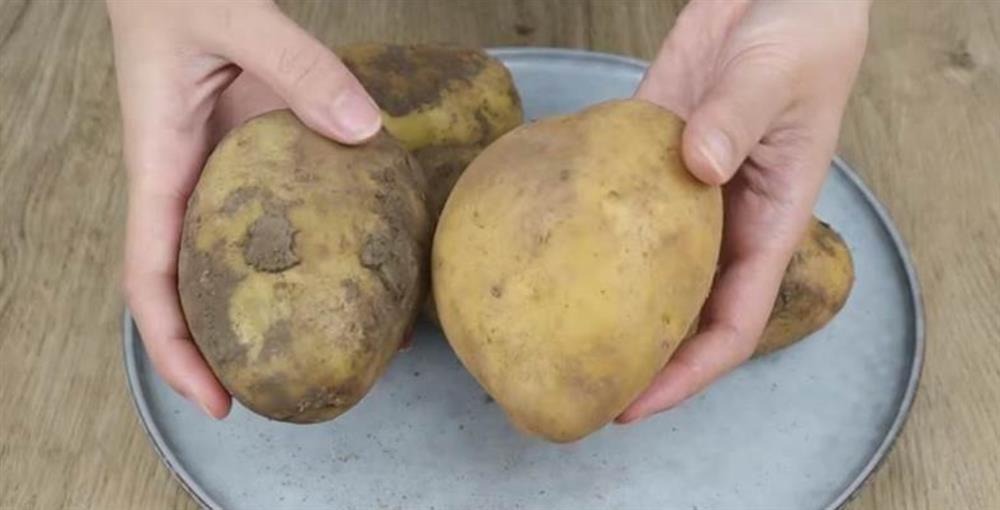
6. Potatoes with Thick or Rough Skin
Potatoes with thick, coarse, or bumpy skins are often not fresh. Some thick-skinned potatoes may be hard to cook or peel, affecting your dish’s overall quality. Rough skin could also indicate poor storage or aging. Choose potatoes with smooth, easy-to-peel skins for better taste and easier preparation.
Conclusion
When shopping for potatoes, don’t forget to check for these 6 warning signs to avoid buying unsafe or low-quality produce. Only fresh, undamaged potatoes free from signs of solanine are truly safe for consumption. Pay close attention to color, blemishes, odor, and texture to select the best potatoes for your family’s meals.