People with These 4 Skin Changes May Already Have Clusters of Cancer Cells Developing Without Knowing It
Our skin is often seen as a protective outer layer, but in reality, it is also a silent communicator. Long before serious illness causes pain or visible symptoms elsewhere in the body, the skin may begin to change in subtle yet meaningful ways. These changes are not always dramatic, and that is exactly what makes them dangerous. Many people ignore them, assuming they are harmless, when in fact they can signal that abnormal cell activity has already begun beneath the surface.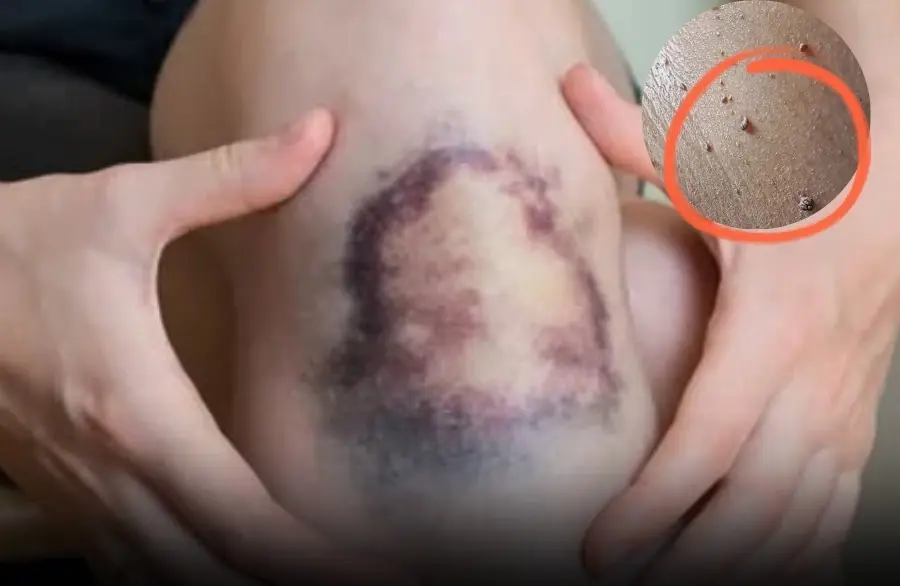
Cancer does not appear overnight. It develops gradually, starting with clusters of abnormal cells that grow quietly over time. In some cases, the skin becomes one of the earliest places where these internal changes show themselves. Recognizing warning signs early does not mean assuming the worst, but it does mean understanding when the body may be asking for attention.
Below are four skin changes that should never be casually dismissed, especially when they appear suddenly, worsen over time, or occur without a clear cause.
1. Unexplained Dark Bruising or Purplish Patches
Bruises usually come from impact. You bump into something, blood vessels break, and a bruise forms. However, bruising that appears without injury is a different story. Large, dark purple or bluish patches that do not fade normally may signal deeper issues.
In some cases, these bruises can be linked to blood-related cancers or disorders where the body’s ability to clot is affected. Abnormal cancer cells may interfere with healthy blood cell production, leading to fragile vessels and internal bleeding just beneath the skin. When bruises appear repeatedly, in unusual places, or take an abnormally long time to heal, they deserve medical evaluation.
2. Sudden Appearance of Multiple New Skin Bumps or Growths
Small bumps, moles, or skin tags are common, especially with age. But a sudden eruption of many new growths over a short period of time is not normal. These bumps may be flesh-colored, brown, or slightly raised, and they may not cause pain or itching.
In rare but serious cases, this pattern has been associated with internal malignancies, particularly cancers of the digestive system. The skin, once again, acts as a messenger. Rapid changes are more concerning than slow ones, especially when there is no clear explanation such as hormonal shifts or medication changes.
3. Persistent Itching Without a Rash
Itching is often blamed on allergies, dry skin, or weather changes. However, intense or persistent itching with no visible rash can be a red flag. This type of itching often worsens at night and does not improve with moisturizers or antihistamines.
Certain cancers release substances into the bloodstream that irritate nerve endings in the skin. As a result, the skin itches even though it looks completely normal. When itching becomes chronic and unexplained, especially if accompanied by fatigue or weight loss, it should not be ignored.
4. Darkened, Thickened, or Velvety Skin in Body Folds
Skin that becomes darker, thicker, or velvety in areas such as the neck, armpits, or groin is sometimes associated with insulin resistance. However, in rare cases, this condition can be linked to internal cancers, particularly of the stomach.
This type of skin change develops gradually but noticeably. The texture feels different, and the color shift is often more pronounced than typical pigmentation changes. When this appears suddenly or progresses quickly, it may indicate that something more serious is happening internally.
Why These Signs Are Often Missed
The most dangerous aspect of these skin changes is how easy they are to dismiss. They are often painless. They may come and go. Life is busy, and the skin is easy to overlook. Cancer thrives on silence and delay, not because people are careless, but because symptoms often feel insignificant at first.
Social media and misinformation also play a role. Many people self-diagnose or wait too long, hoping symptoms will resolve on their own. Early detection is not about panic; it is about awareness.
When to Take Action
Not every bruise, itch, or skin change means cancer. But patterns matter. Duration matters. Progression matters. If a skin change is unexplained, persistent, worsening, or accompanied by other symptoms, it is time to consult a medical professional.
Doctors do not rely on one sign alone. They look at the full picture, including blood tests, imaging, and medical history. The earlier abnormal cell activity is detected, the more treatment options exist, and the better the outcomes tend to be.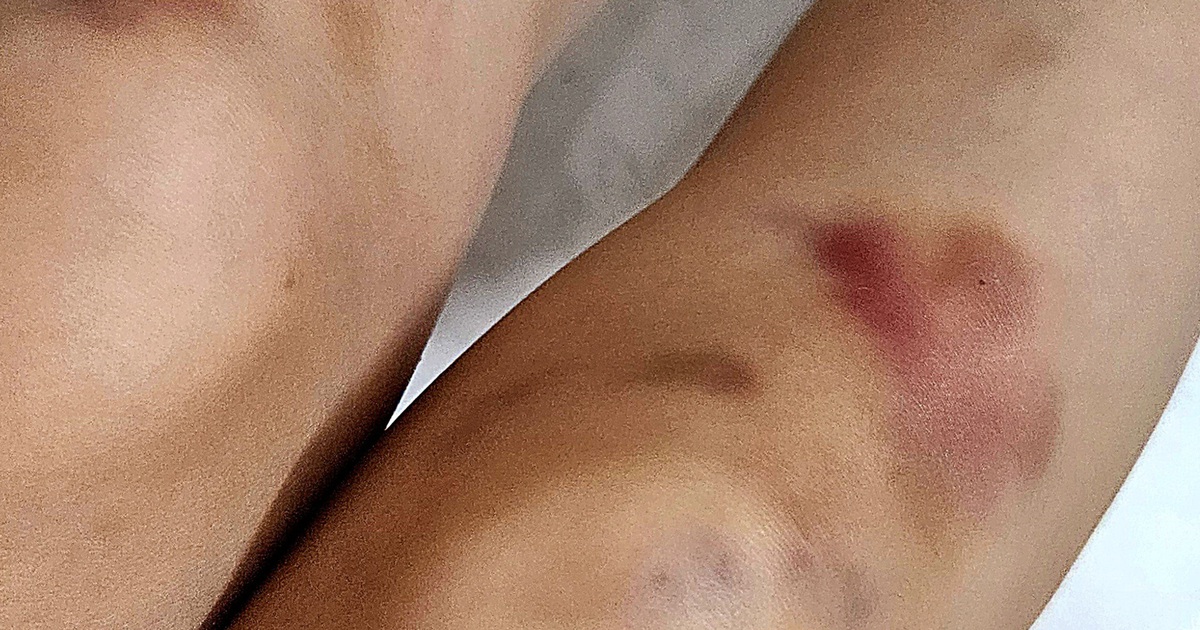
Listening to the Body Before It Has to Scream
The skin is not just an outer layer. It is part of a larger system designed to protect, signal, and communicate. When it changes without reason, it may be speaking softly about something happening deeper inside.
Ignoring the skin does not make problems disappear. Paying attention can save time, health, and sometimes even life. The body often whispers before it shouts. Learning to notice those whispers is one of the most powerful forms of self-care.