Okra Looks Healthy, But It May Not Be Ideal for Everyone: 3 Groups Who Should Be Careful
Okra, sometimes called lady’s finger, is a popular vegetable in many cuisines around the world. It’s rich in fiber, vitamins, antioxidants, and plant compounds that support digestion, heart health, and blood sugar balance. Because of these benefits, okra is often considered a healthy addition to meals.
However, like many foods, okra may not be suitable for everyone. Certain people may need to limit their intake or consult a healthcare professional before eating it regularly. Here are three groups of people who should be cautious.
1. People with Kidney Stones


Okra contains oxalates, naturally occurring compounds found in many plant foods. For most people, oxalates are harmless. However, individuals who are prone to kidney stones, especially calcium oxalate stones, may need to monitor their intake.
High-oxalate foods can contribute to the formation of certain kidney stones in susceptible individuals. If someone already has a history of kidney stones, doctors often recommend moderating foods that are high in oxalates.
This does not mean okra must be completely avoided, but portion control and dietary balance are important.
2. People Taking Blood-Thinning Medications

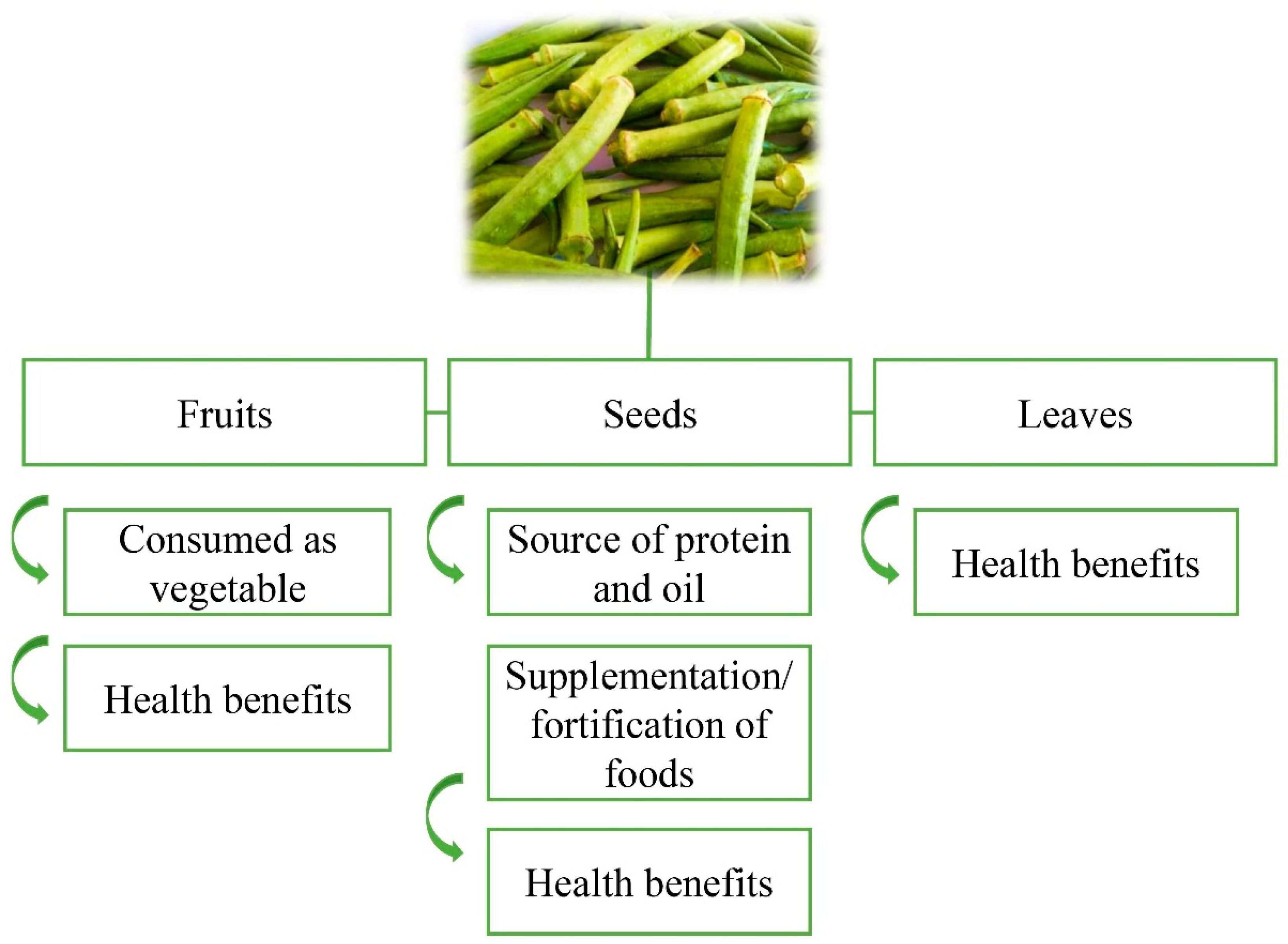

Okra contains vitamin K, a nutrient that plays a key role in blood clotting.
For people who take blood-thinning medications such as warfarin, sudden changes in vitamin K intake can affect how the medication works. Eating large or inconsistent amounts of vitamin-K-rich foods may interfere with treatment.
This does not necessarily mean that okra must be eliminated. Instead, healthcare professionals usually recommend keeping vitamin K intake consistent and discussing dietary habits with a doctor.
3. People with Digestive Sensitivities



Okra is rich in fiber and fructans, a type of carbohydrate that can be difficult to digest for some people.
Individuals with conditions such as irritable bowel syndrome (IBS) may experience symptoms like:
-
Bloating
-
Gas
-
Abdominal discomfort
In some cases, okra may trigger digestive symptoms, especially when eaten in large amounts. Cooking methods and portion sizes can influence how well it is tolerated.
The Bottom Line
For most people, okra is a nutritious vegetable that can support a balanced diet. It provides fiber, antioxidants, vitamins A, C, and K, and beneficial plant compounds.
However, moderation and personal health conditions matter. People with:
-
A history of kidney stones
-
Blood-thinning medication use
-
Sensitive digestive systems
may want to monitor their intake or seek medical advice before consuming okra frequently.
A varied diet with many types of vegetables is usually the best way to support overall health.
Sources
-
Harvard T.H. Chan School of Public Health – Nutrition information on vegetables
-
U.S. Department of Agriculture (USDA) FoodData Central
-
National Kidney Foundation – Oxalate and kidney stone guidance
-
Cleveland Clinic – Dietary considerations for people on blood thinners