The liver is one of the most important organs in the human body. It performs hundreds of vital functions that keep the body balanced and healthy. From filtering toxins in the blood to producing essential proteins and helping digest fats, the liver works continuously to support overall wellbeing.
Because the liver plays such a critical role in metabolism and detoxification, maintaining liver health is extremely important. Modern lifestyles, however, can place a heavy burden on this organ. Processed foods, high sugar intake, alcohol consumption, lack of exercise, and environmental toxins may all affect liver function over time.
One of the most effective ways to support liver health is through a balanced diet rich in vegetables and fruits. Certain plant foods contain antioxidants, fiber, vitamins, and natural compounds that may help support the liver’s natural processes.
Among the many nutritious foods available, some vegetables and fruits are particularly known for their beneficial nutrients that may support liver function. Below are four vegetables and two fruits that are often recommended as part of a liver-friendly diet.
1. Broccoli
Broccoli is widely recognized as one of the most nutritious vegetables. It belongs to the cruciferous vegetable family, which also includes cabbage, cauliflower, and Brussels sprouts.
This vegetable contains compounds called glucosinolates, which are known for their potential role in supporting the body's natural detoxification processes.
Broccoli also provides important nutrients such as:
-
Vitamin C
-
Vitamin K
-
Fiber
-
Antioxidants
These nutrients may help the body manage oxidative stress and support normal metabolic processes.
Eating broccoli regularly may help promote overall digestive and metabolic health. It can be steamed, stir-fried, roasted, or added to salads and soups.
2. Spinach
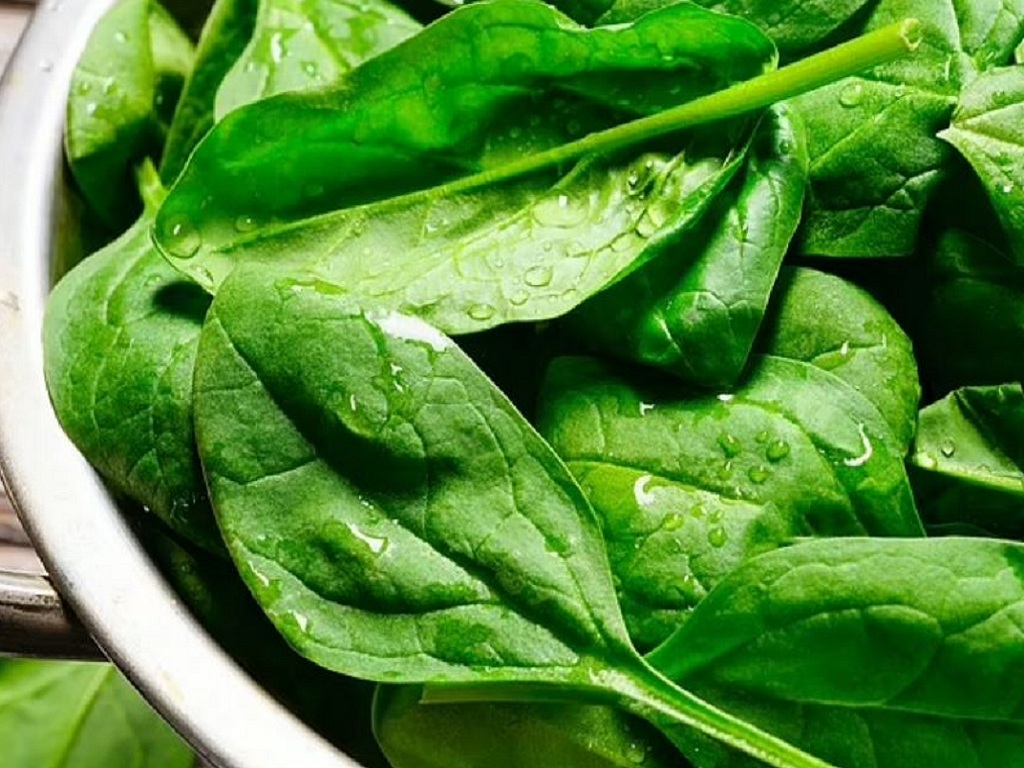
Spinach is a leafy green vegetable rich in vitamins and minerals that support many bodily functions.
It contains high levels of:
-
Vitamin A
-
Vitamin C
-
Iron
-
Magnesium
-
Chlorophyll
Chlorophyll is a plant pigment that may help bind certain toxins and support the body’s natural cleansing processes.
Spinach is also a good source of antioxidants that help protect cells from oxidative stress.
Including spinach in meals may support overall health while providing essential nutrients needed for proper metabolic function.
Spinach can be enjoyed fresh in salads, blended into smoothies, or lightly cooked in a variety of dishes.
3. Carrots
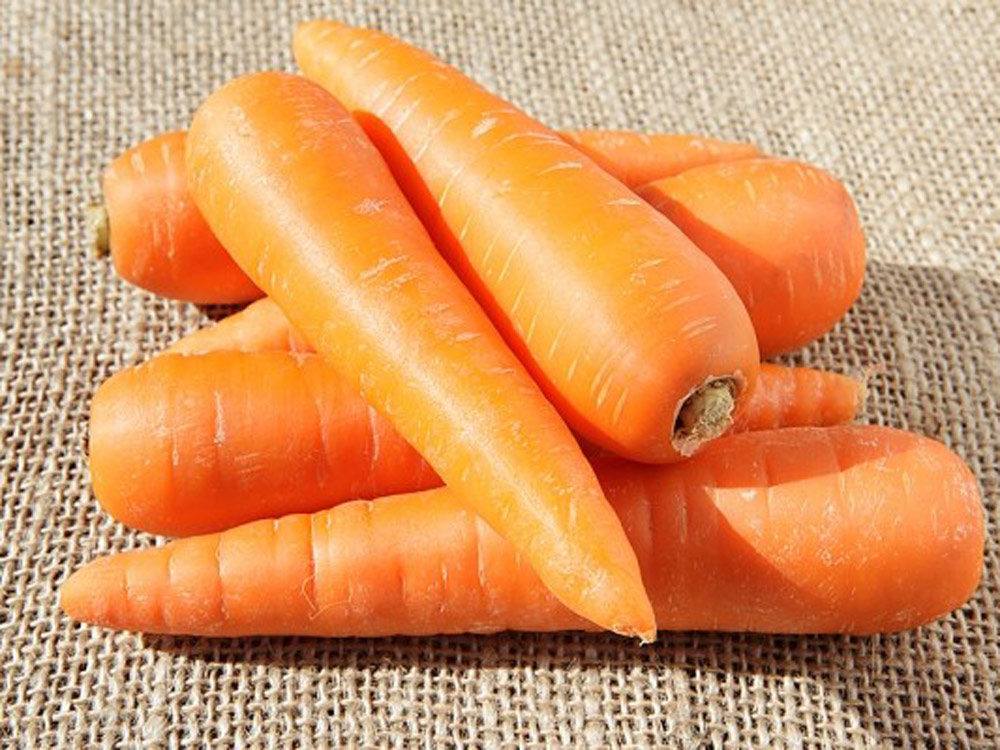
Carrots are well known for their bright orange color and high content of beta-carotene, a plant compound that the body converts into vitamin A.
Vitamin A is essential for maintaining healthy skin, vision, and immune function.
Carrots also contain fiber and antioxidants that support digestive health and help maintain normal metabolic processes.
Some potential benefits of including carrots in a balanced diet include:
-
Supporting immune health
-
Providing antioxidants
-
Helping maintain healthy digestion
Carrots are easy to incorporate into meals and can be eaten raw, steamed, roasted, or blended into soups.
4. Garlic
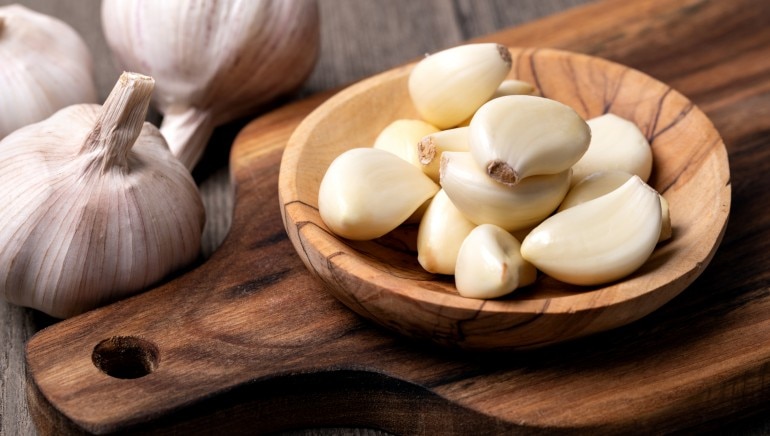
Garlic has been used for centuries in both cooking and traditional health practices. It contains natural sulfur compounds, including allicin, which may help support the body's natural detoxification enzymes.
Garlic also contains antioxidants that help reduce oxidative stress in the body.
In addition to its potential health-supporting properties, garlic is known for enhancing the flavor of many dishes.
Some ways garlic may contribute to a healthy diet include:
-
Supporting immune function
-
Providing antioxidant compounds
-
Adding natural flavor without excessive salt
Fresh garlic can be added to soups, stir-fries, sauces, and roasted vegetables.
5. Apples
Apples are one of the most widely consumed fruits and offer a variety of beneficial nutrients.
They are rich in pectin, a type of soluble fiber that helps support digestive health.
Fiber plays an important role in maintaining healthy digestion and may assist the body in eliminating waste and toxins.
Apples also provide:
-
Vitamin C
-
Antioxidants
-
Natural plant compounds known as polyphenols
Eating apples regularly as part of a balanced diet can contribute to overall health and support normal metabolic function.
Apples are easy to include in daily meals and can be eaten fresh, sliced into salads, or baked into healthy dishes.

6. Grapefruit
Grapefruit is a citrus fruit known for its refreshing flavor and high vitamin C content.
It also contains antioxidants such as naringenin and naringin, which have been studied for their potential effects on metabolism and oxidative stress.
These compounds may help support the body’s natural protective processes.
Grapefruit provides several nutrients, including:
-
Vitamin C
-
Fiber
-
Antioxidants
Because of its refreshing taste, grapefruit is often enjoyed as a breakfast fruit or added to salads.
However, individuals taking certain medications should consult a healthcare professional before consuming grapefruit, as it may interact with some drugs.
Why Diet Matters for Liver Health
The liver processes many of the nutrients and substances that enter the body. A diet rich in plant-based foods helps provide essential nutrients that support this organ’s functions.
Vegetables and fruits contain antioxidants, fiber, vitamins, and minerals that may help protect cells from damage and support overall metabolic balance.
A liver-friendly diet typically emphasizes:
-
Whole foods
-
Fresh vegetables and fruits
-
Lean protein sources
-
Healthy fats
-
Adequate hydration
Limiting highly processed foods, excessive sugar, and alcohol can also help reduce stress on the liver.
Other Habits That Support Liver Health
In addition to maintaining a balanced diet, several lifestyle habits can help support liver function.
Helpful practices include:
-
Regular physical activity
-
Maintaining a healthy body weight
-
Drinking adequate water
-
Avoiding tobacco products
-
Getting regular medical checkups
These habits contribute to overall metabolic health and help reduce risk factors that may affect the liver.
Final Thoughts
The liver works tirelessly to support the body’s metabolism, detoxification processes, and overall balance. Supporting this organ through healthy dietary choices can play an important role in maintaining long-term wellbeing.
Vegetables such as broccoli, spinach, carrots, and garlic, along with fruits like apples and grapefruit, provide valuable nutrients that can contribute to a balanced and liver-supportive diet.
While no single food can guarantee perfect liver health, regularly including nutrient-rich vegetables and fruits in daily meals can help support the body’s natural processes and promote overall wellness.
Maintaining a healthy lifestyle, combined with mindful food choices, remains one of the most effective ways to care for the liver and the body as a whole.