
The “2-Minute Miracle” for Tartar Removal and Teeth Whitening: What This Viral Image Gets Wrong—and What Dentists Actually Want You to Know
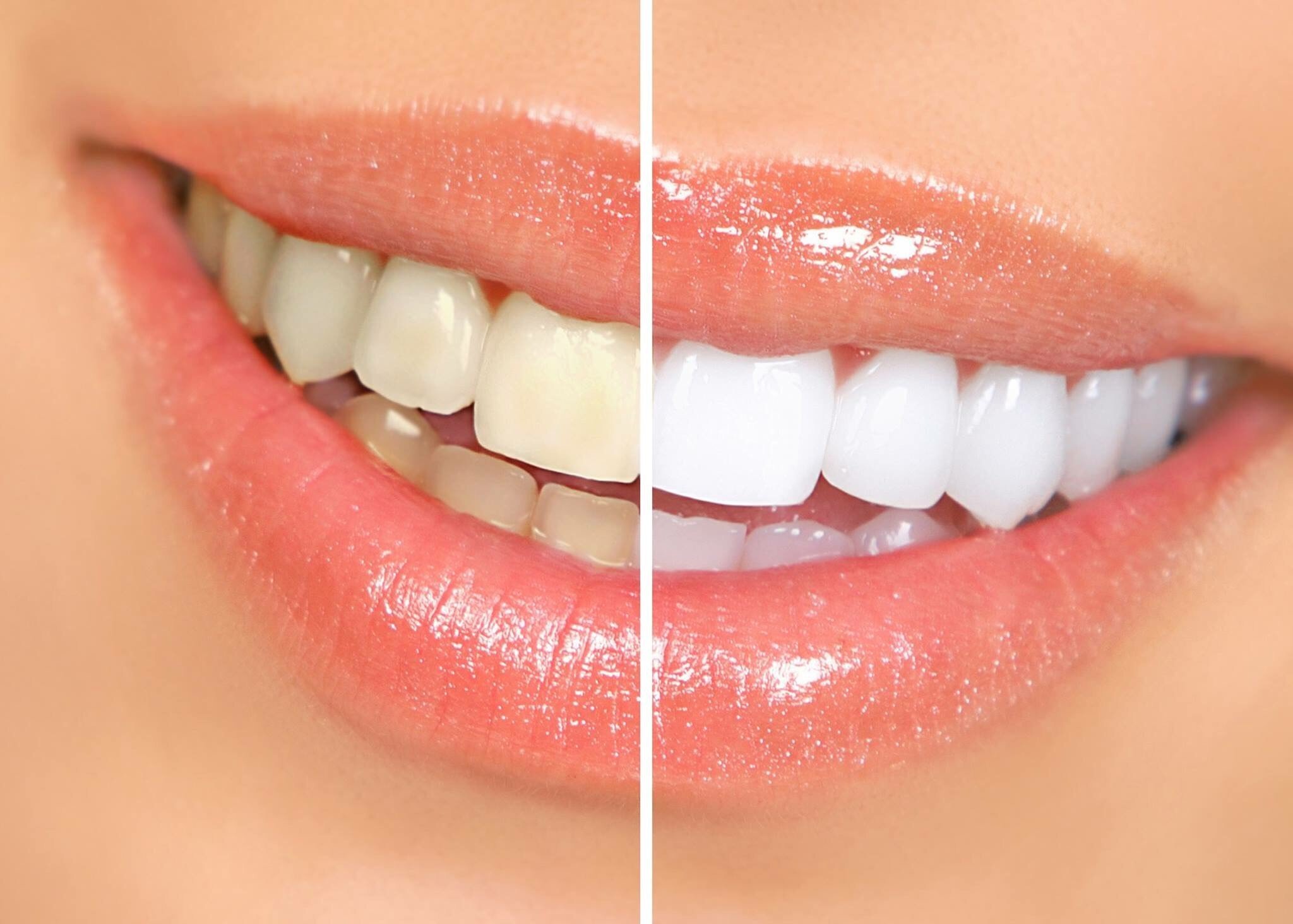
A striking image has been circulating online: yellowed teeth transformed into a bright white smile, paired with bay leaves and cloves, and a bold promise—remove tartar and whiten teeth in just two minutes. The caption often goes further, claiming this is a “secret dentists don’t want you to know.” It’s eye-catching, shareable, and reassuringly natural. It’s also misleading.
Behind the dramatic before-and-after lies a common pattern in viral health content: a real problem, an oversimplified solution, and a promise that sounds too good to question. Dentistry, however, is not built on secrets. It’s built on biology.
Why the Claim Sounds Convincing
Tartar (also called calculus) and tooth discoloration are widespread concerns. Bay leaves and cloves are known for antimicrobial properties and have long histories in traditional remedies. Put those facts together, add a dramatic visual, and it feels plausible that a quick home trick could replace professional care.
But plausibility is not proof.
The Reality of Tartar: Why “Two Minutes” Isn’t Enough
Tartar is not the same as surface stains. It forms when plaque—a soft bacterial film—hardens through mineralization. Once plaque becomes tartar, it bonds firmly to tooth enamel and, often, below the gumline. At that stage, no leaf, spice, or toothpaste can dissolve it safely in minutes.
Dentists remove tartar using specialized instruments—manual scalers or ultrasonic tools—because mechanical removal is required. Attempting to scrape or “burn it off” with abrasive or acidic substances at home can damage enamel and irritate gums, creating bigger problems than the original tartar.
Whitening vs. Cleaning: A Critical Distinction
The bright smiles shown in viral images often confuse two very different outcomes:
-
Surface stain reduction: Some substances can temporarily reduce mild staining caused by food or drink.
-
True whitening: This involves chemical agents (like peroxide) that change the color of enamel itself.
Bay leaves and cloves may freshen breath or slightly reduce surface bacteria, but they do not whiten teeth in a clinically meaningful way, and they certainly don’t remove hardened tartar.
The Risk of DIY Dental “Hacks”
The most concerning part of these claims isn’t that they fail—it’s that they can cause harm. Overuse of abrasive powders, acidic rinses, or untested mixtures can:
-
Wear down enamel, making teeth more sensitive and more prone to staining
-
Irritate or inflame gums, increasing the risk of recession
-
Delay professional treatment, allowing gum disease to progress silently
Dentists don’t oppose home care. In fact, they encourage it—when it’s evidence-based.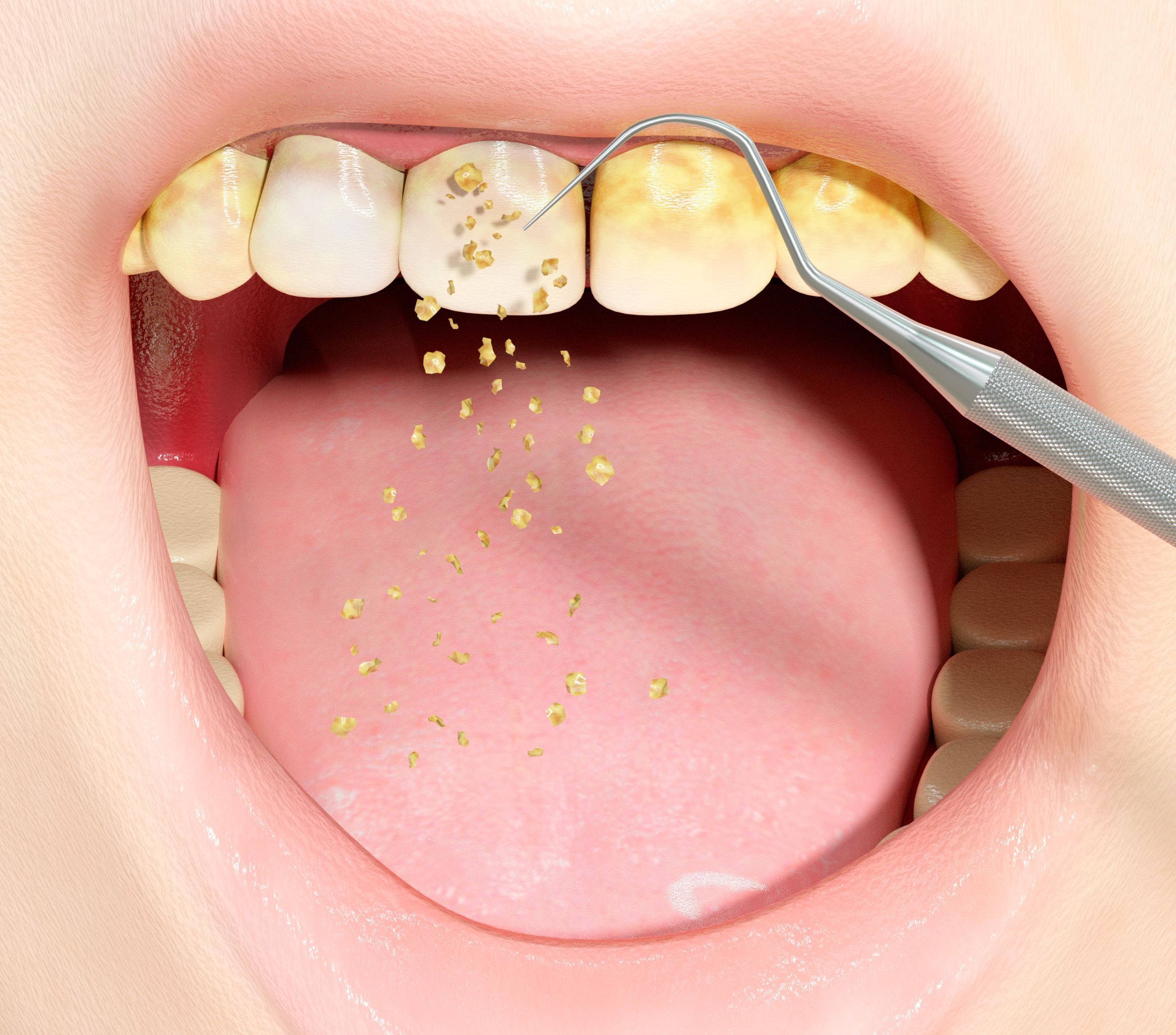
What Dentists Actually Recommend
There is no secret formula, but there is a reliable routine:
-
Brush twice daily with fluoride toothpaste
-
Floss or use interdental cleaners once a day
-
Use an antiseptic mouthwash if recommended
-
Schedule professional cleanings to remove tartar safely
-
Avoid aggressive DIY methods that promise instant results
Natural ingredients like clove oil may have a role in soothing minor discomfort, but they are not substitutes for professional dental care.
Why These Myths Persist
Images like the one circulating tap into frustration: dental visits cost time and money, and everyone wants fast results. The phrase “dentists don’t want you to know” suggests hidden knowledge, when in reality, the truth is openly published in textbooks, journals, and patient guidelines.
Good dentistry isn’t dramatic. It’s preventive, gradual, and consistent—qualities that don’t go viral easily.
The Bottom Line
There is no safe, proven way to remove tartar and whiten teeth in two minutes using bay leaves, cloves, or any similar home remedy. The transformation shown in viral images is either exaggerated, staged, or misunderstood.
The real secret dentists do want you to know is far less sensational—but far more effective: healthy teeth are built over time, not hacked in minutes. And when it comes to your smile, shortcuts can be costly.