For many households, doing laundry is a routine task: load the machine, add detergent, and press start. However, cleaning experts say this approach may not always deliver the best results.
Clothes can retain odors, stains, and even bacteria if not washed properly. With a few adjustments, though, it is possible to significantly improve cleanliness and extend the life of garments.
Why Detergent Alone Isn’t Always Enough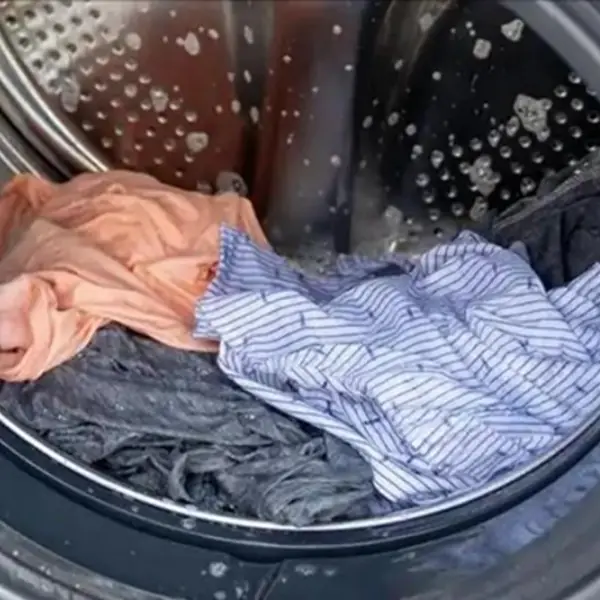
Detergents are designed to remove dirt, oils, and stains, but they have limitations. Factors such as water temperature, load size, and fabric type all influence how effectively detergent works.
In some cases:
- Heavy stains may require pre-treatment
- Odors may persist due to bacteria buildup
- Hard water can reduce detergent efficiency
Understanding these variables is key to achieving cleaner laundry.
Common Laundry Mistakes
Experts identify several mistakes that can reduce washing effectiveness:
Overloading the Machine
Packing too many clothes into the washer prevents proper water circulation, leaving items partially cleaned.
Using Too Much Detergent
Excess detergent can leave residue on fabrics, trapping dirt and causing stiffness or odor.
Ignoring Fabric Types
Different materials require different care. Washing delicate fabrics with heavy items can lead to damage and poor cleaning.
Skipping Pre-Treatment
Stains such as grease, sweat, or food often need targeted treatment before washing.
Simple Tricks to Improve Laundry Results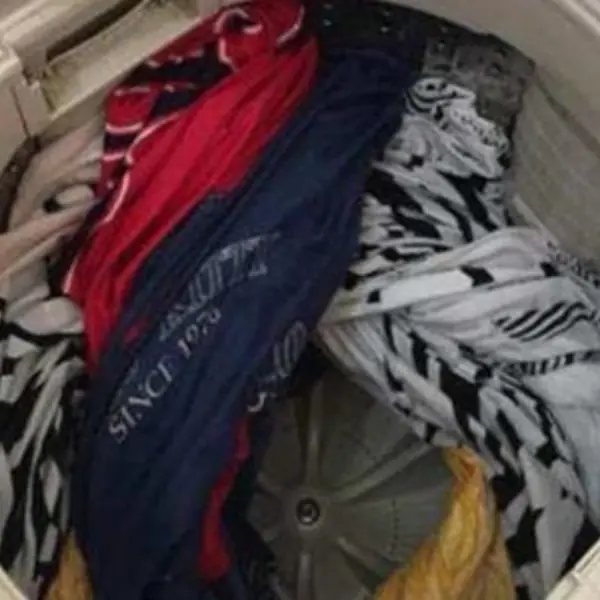
Cleaning professionals recommend several easy techniques that can make a noticeable difference.
1. Add Baking Soda or Vinegar
Baking soda can help neutralize odors, while white vinegar can soften fabrics and remove detergent residue. These household ingredients are often used as natural cleaning boosters.
2. Use the Right Water Temperature
Hot water is effective for killing bacteria and removing tough stains, while cold water is better for preserving colors and delicate fabrics.
3. Sort Clothes Properly
Separating clothes by color, fabric type, and level of dirt helps ensure optimal washing conditions for each load.
4. Pre-Soak Heavily Soiled Items
Allowing clothes to soak before washing can loosen stubborn stains and improve overall cleaning performance.
5. Clean Your Washing Machine
Residue and mold can build up inside washing machines over time, affecting performance. Regular cleaning helps maintain hygiene and efficiency.
The Science Behind Cleaner Clothes
Effective laundering involves more than just soap. It relies on four key factors:
- Mechanical action (movement of the machine)
- Chemical action (detergent and additives)
- Temperature (heat levels)
- Time (length of the wash cycle)
Balancing these elements ensures that clothes are not only clean but also well-maintained.
Environmental Considerations
Improving laundry habits can also reduce environmental impact. Using the correct amount of detergent, washing full but not overloaded loads, and choosing energy-efficient settings can help conserve water and energy.
Additionally, natural additives like vinegar and baking soda offer eco-friendly alternatives to some commercial products.
When to Upgrade Your Routine
If clothes consistently come out of the wash with odors, stains, or stiffness, it may be time to adjust your routine. Small changes—such as using less detergent or selecting the appropriate cycle—can lead to noticeable improvements.
Conclusion
While detergent remains a key component of laundry, it is not a complete solution on its own. Effective cleaning depends on a combination of proper techniques, careful sorting, and occasional use of simple household additives.
By understanding how washing machines work and avoiding common mistakes, anyone can achieve fresher, cleaner clothes—often with minimal extra effort.