Chicken is a staple in many Vietnamese meals. It is affordable, nutritious, and can be prepared in countless ways. However, some parts of the chicken may harbor higher levels of bacteria, parasites, or unhealthy fats. Experts recommend limiting consumption of the following parts.
Chicken Tail (Parson's Nose)
According to Dr. Huynh Tan Vu, a specialist physician at the University Medical Center in Ho Chi Minh City, the chicken tail can act as a reservoir for bacteria. It is also associated with lymphatic tissue and contains a significant amount of fat.
This part is particularly high in fat and cholesterol, which may be harmful to health, especially for people with cardiovascular disease or lipid disorders.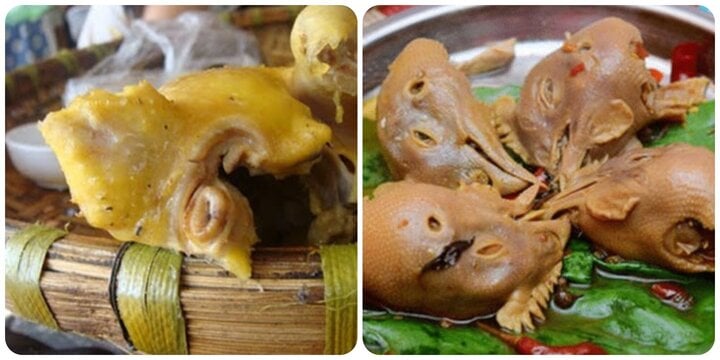
Chicken Head
Dr. Vu notes that the chicken head may accumulate various harmful substances and should not be eaten regularly.
It also contains relatively high levels of cholesterol, which may increase the risk of cardiovascular problems when consumed excessively. In addition, the head may harbor bacteria and other contaminants that are not beneficial to health.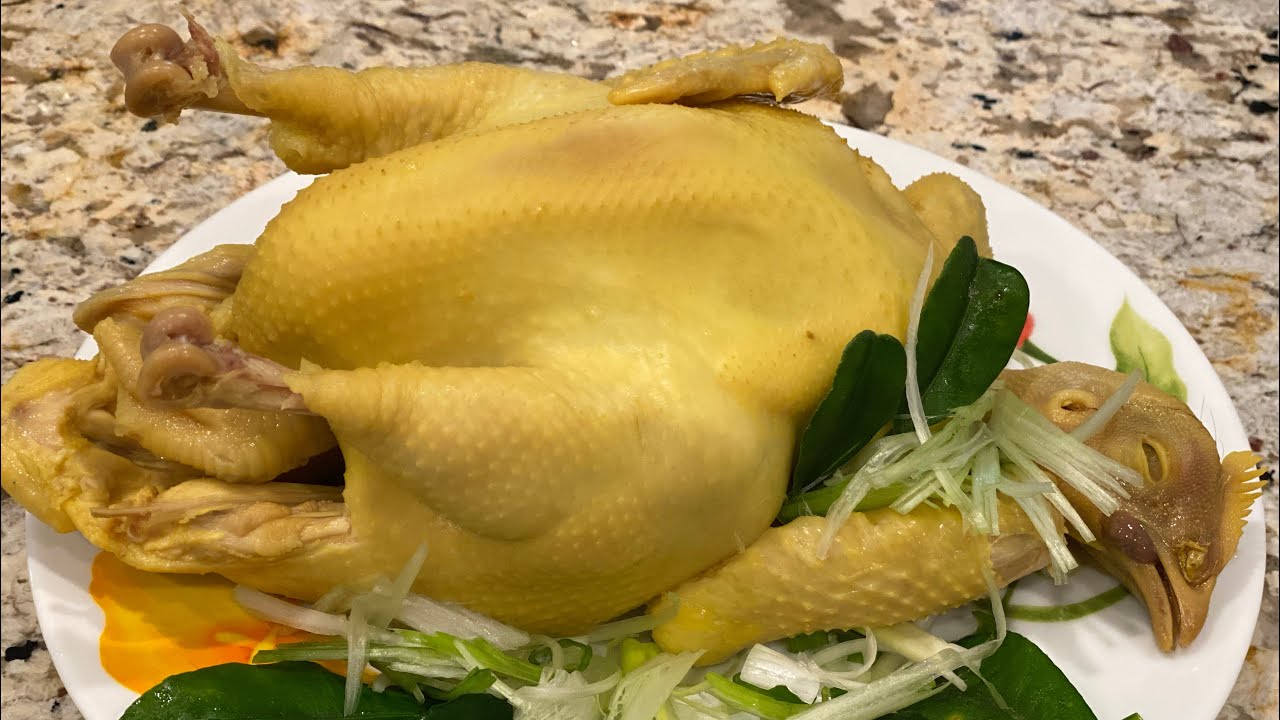
Chicken Skin
Many people believe that chicken skin is rich in collagen and can improve skin appearance. In reality, the amount of collagen it contains is relatively small.
Chicken skin is one of the fattiest parts of the bird and may also carry bacteria and parasites if not handled and cooked properly. Frequent consumption may contribute to excessive fat intake.
Chicken Lungs
Chicken lungs can harbor a variety of bacteria and parasites because they are part of the bird's respiratory system.
Depending on the chicken's living conditions, the lungs may be exposed to various pathogens. For this reason, many health experts recommend removing this organ before cooking and eating chicken.
A Note on Food Safety
The risk associated with any chicken part depends heavily on factors such as farming conditions, handling, storage, and cooking practices. Thorough cooking and proper food hygiene significantly reduce the risk of foodborne illness. However, if you wish to minimize exposure to potentially contaminated organs or high-fat portions, limiting consumption of the chicken tail, head, skin, and lungs may be a sensible choice.