Reheating leftover rice is a common habit in many households, but food safety specialists warn that doing it incorrectly can pose real health risks. The danger does not come from reheating itself, but from how the rice is handled before it reaches the microwave or rice cooker again.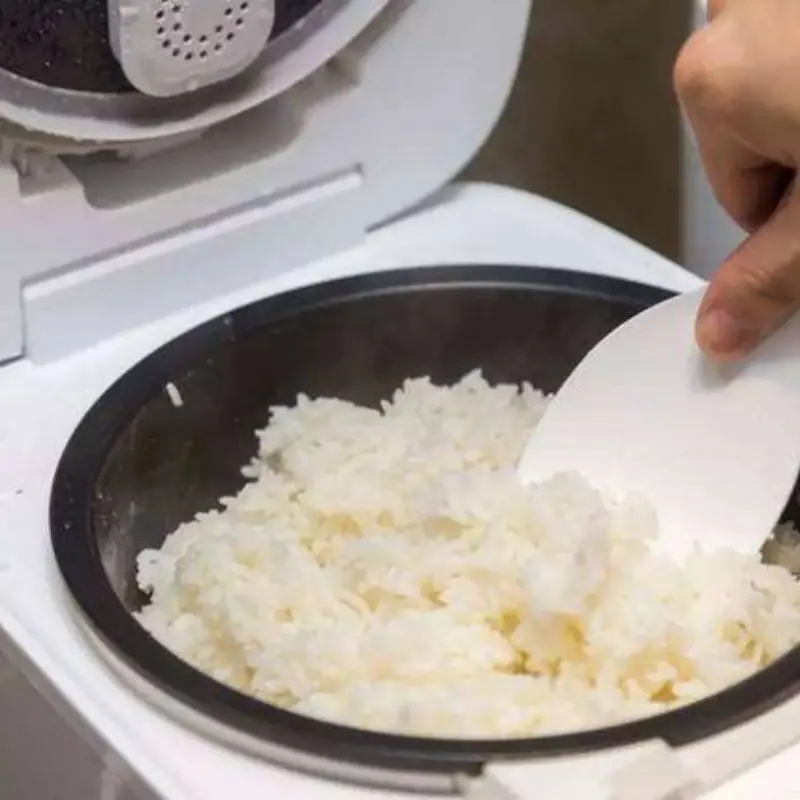
Cooked rice can contain spores of Bacillus cereus, a type of bacteria that survives high cooking temperatures. If rice is left at room temperature for too long, these spores can grow and produce toxins. Unlike many bacteria, these toxins are heat-resistant, meaning reheating the rice may not make it safe to eat.
According to food safety experts, problems usually occur when rice is left out for several hours after cooking or stored improperly in warm conditions. Once bacteria have multiplied, reheating will not remove the toxins they leave behind, increasing the risk of food poisoning symptoms such as nausea, vomiting, and stomach discomfort.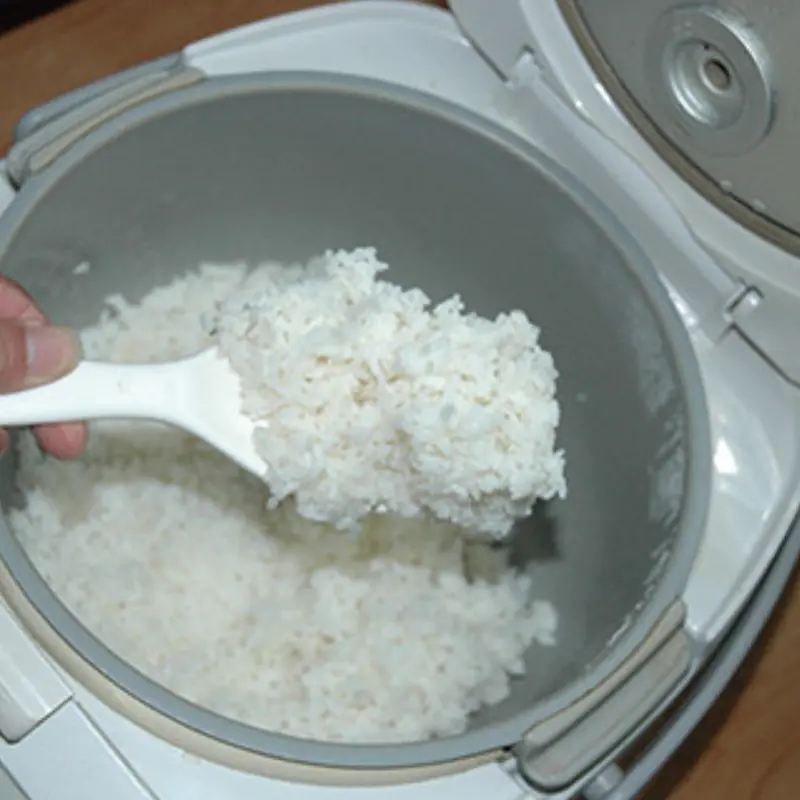
However, this does not mean leftover rice must always be thrown away. When rice is cooled quickly, stored in the refrigerator within one hour, and reheated thoroughly until steaming hot, it is generally considered safe. Experts also recommend reheating rice only once and discarding any leftovers that have an unusual smell or texture.
Understanding these basic food safety rules can help prevent unnecessary health risks while reducing food waste. With proper storage and handling, reheated rice can still be part of a safe and balanced meal.