Should Married Couples Check Each Other’s Phones?
A Modern Marriage Minefield
In the age of smartphones, intimacy no longer ends at the bedroom door—it lives in our pockets. Messages, search histories, social media DMs, hidden apps, archived chats: all quietly shaping the emotional landscape of modern relationships. So it’s no surprise that one question keeps igniting heated debates among newly married couples: Should spouses check each other’s phones after marriage?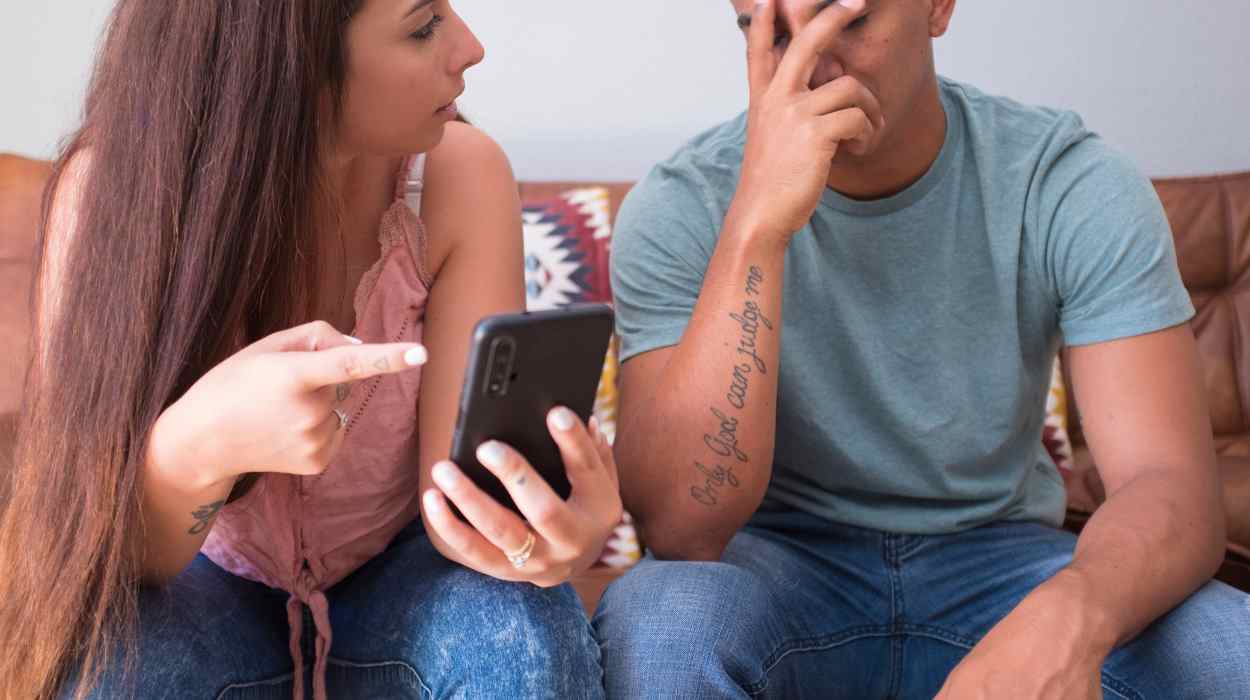
To some, the answer is obvious. To others, it’s deeply uncomfortable. And to many young couples, it’s the first real test of trust in married life.
“If You Have Nothing to Hide…”
Supporters of phone-checking often lean on a familiar argument: “If you have nothing to hide, why are you afraid?” In this view, marriage equals transparency. Phones, like bank accounts or daily schedules, should be open books.
For couples who grew up in a hyper-connected world, this mindset feels practical. Emotional affairs can begin with a single late-night text. Infidelity no longer requires physical proximity—just Wi-Fi. Checking a partner’s phone is seen not as control, but as prevention.
Some even frame it as emotional reassurance. A quick glance, they argue, can silence insecurity, ease anxiety, and stop overthinking before it spirals into suspicion. For those who have experienced betrayal in the past, phone access can feel like a safety net.
But here’s the uncomfortable truth: reassurance built on surveillance is rarely sustainable.
Trust or Control?
Opponents see phone-checking as a red flag, not a relationship tool. To them, the issue isn’t privacy—it’s autonomy. Marriage, they argue, is a partnership between two individuals, not the erasure of personal boundaries.
A phone is not just a device; it’s a digital diary. It holds private conversations with friends, family, coworkers—conversations never meant for spousal scrutiny. Reading them without consent, even in marriage, can feel like a violation.
Psychologists warn that habitual phone-checking often masks deeper issues: insecurity, fear of abandonment, or unresolved trust wounds. Instead of addressing the root cause, couples may rely on constant monitoring, which only reinforces anxiety over time.
And once checking becomes normalized, where does it stop? First it’s messages. Then social media. Then location tracking. What starts as “just curiosity” can quietly morph into control.
The Illusion of Security
Ironically, phone-checking doesn’t always reveal the truth. A partner determined to hide something will find ways—secret accounts, deleted chats, secondary devices. Meanwhile, innocent messages can be misinterpreted, taken out of context, and spark unnecessary conflict.
Many marriages have fractured not because of infidelity, but because of assumptions drawn from half-read conversations and imagined meanings.
Trust, once replaced by investigation, becomes fragile. Every notification triggers suspicion. Every smile at a screen raises questions. The relationship shifts from connection to constant evaluation.
So, What’s the Healthy Middle Ground?
The real issue isn’t whether couples can check each other’s phones—but why they feel the need to.
Healthy marriages are built on voluntary transparency, not forced access. Some couples openly share passwords and rarely use them. Others keep devices private but communicate openly about their lives. Neither approach is inherently right or wrong.
What matters is mutual agreement and emotional safety.
Instead of secretly checking a phone, experts suggest asking harder—but healthier—questions:
-
Why don’t I feel secure right now?
-
What reassurance am I actually seeking?
-
Is this about my partner’s behavior, or my own fears?
Open conversations may feel riskier than silent surveillance, but they are far more effective.
Marriage in the Digital Era
Young couples today face challenges previous generations never imagined. Emotional boundaries are blurred. Temptations are constant. And technology amplifies both connection and doubt.
Checking a spouse’s phone may offer temporary comfort—but it cannot replace trust, communication, and emotional intimacy. Marriage is not about having full access to someone’s device; it’s about having access to their honesty.
Perhaps the real question isn’t “Should we check each other’s phones?”
But rather: “How do we build a marriage where we don’t feel the need to?”
In modern love, trust isn’t proven by unlocked screens—but by the courage to face insecurity together, without hiding, spying, or scrolling in silence.