The Vegetable Dubbed the “Vacuum Cleaner for the Lu.ngs” — Cook It This Way for a Unique, Nutritious Dish That May Extend Your Lifespan
Not only beneficial for the lungs, this vegetable is also rich in fiber, vitamins, and compounds with anti-inflammatory properties that may help prevent and support cancer treatment. Experts recommend consuming it regularly.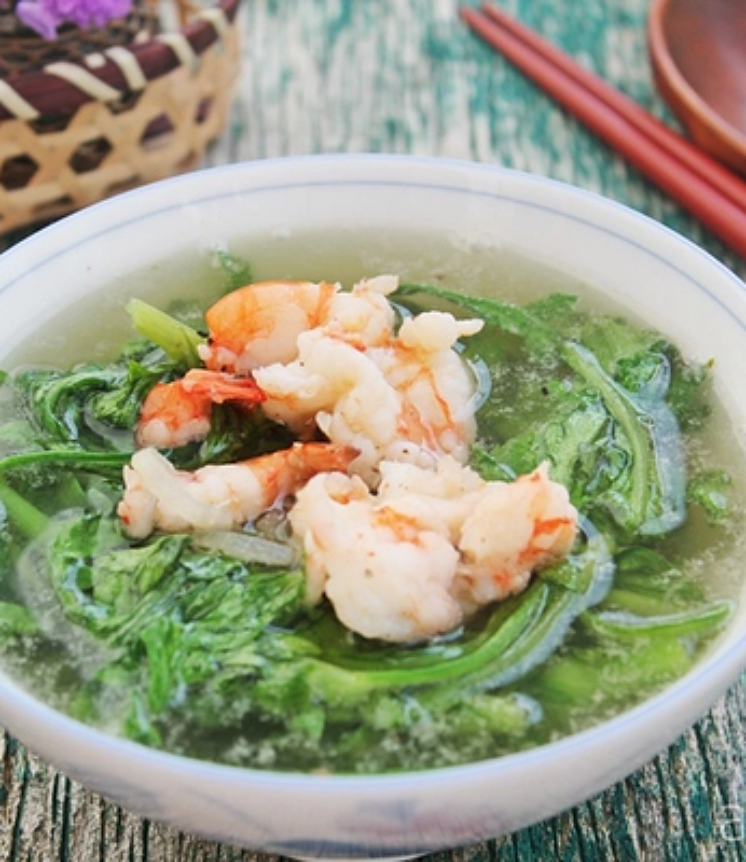
A Vegetable That Supports Lung Health, Boosts Immunity, and Promotes Longevity
A recent study published in Nature shows that cruciferous vegetables such as broccoli, bok choy, kale, and cabbage contain natural molecules that help strengthen the lungs’ protective barrier. This enhances the body’s ability to fight off viruses and bacteria.
The lungs have a two-layer defense system consisting of epithelial and endothelial cells, which allow oxygen to flow while blocking harmful external agents. Researchers at the Francis Crick Institute (UK) found that a cell receptor called AHR (aryl hydrocarbon receptor) plays a key role in maintaining the integrity of this protective layer. Interestingly, compounds found in cruciferous vegetables can activate and enhance AHR function.
Previously, AHR was known for regulating genes and enzyme metabolism and was closely linked to the immune system and stem cells. This receptor has been studied as a potential therapeutic target for immune disorders, inflammation, and cancer.
In experiments with mice infected with the flu virus, blood leakage through the lung’s protective barrier was common. However, in mice with well-functioning AHR, this leakage was significantly reduced. Mice lacking AHR showed weakened lung defenses, making them more vulnerable during infection. When AHR was highly activated, blood infiltration into lung tissue decreased, demonstrating its protective effect.
A diet rich in cruciferous vegetables can naturally activate AHR. In experiments, mice fed compounds from cruciferous vegetables coped better with viral infections, lost less weight when infected with flu, and had immune systems that responded more effectively to new pathogens.
In addition to immune support, cruciferous vegetables are highly nutritious. They are rich in fiber, vitamins C, E, K, and B9 (folate), and contain plant compounds with anti-inflammatory and anticancer properties.
Notably, they contain glucosinolates — natural compounds proven to help prevent cancer, particularly gastrointestinal cancers. Some studies also suggest glucosinolates may protect heart health and slow neurodegeneration.
Nutrition experts recommend consuming 2–3 cups of green vegetables daily, especially cruciferous types, to promote overall health and build a strong immune system.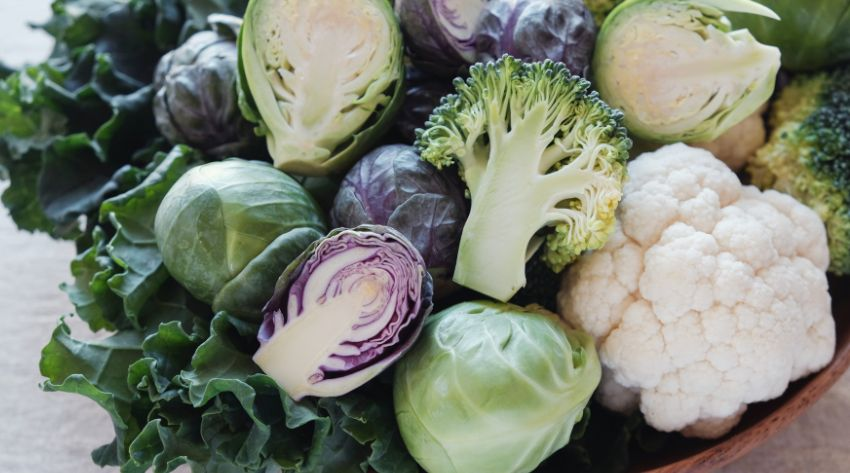
Recipe: Crown Daisy Soup with Fresh Shrimp
Crown daisy (also known as chrysanthemum greens) has a mild sweetness and distinctive aroma, making it perfect for soup during cold days. When paired with fresh shrimp, the dish is tasty, nutritious, light, and never boring — a refreshing and simple soup loved by many families.
Ingredients:
-
1 bunch crown daisy greens
-
100g fresh shrimp
-
Garlic, shallots (or onion)
-
Seasonings: salt, seasoning powder, ground pepper, fish sauce
Instructions:
-
Prepare the greens: Remove tough stems, rinse thoroughly several times, and drain.
-
Prepare the shrimp: Rinse, peel, and devein. Lightly crush the shrimp, then season with pepper, salt, seasoning powder, and fish sauce.
-
Prepare the aromatics: Peel and mince garlic. Thinly slice shallots or onion.
-
Cook the shrimp: Heat a little oil in a pot, sauté garlic and shallots until fragrant, then add the seasoned shrimp and stir-fry until firm.
-
Make the soup: Add enough water for the soup, bring to a boil, then add the crown daisy greens. Once just cooked, adjust seasoning to taste and remove from heat.
Recipe: Refreshing Cabbage Rolls with Pork
Cabbage is nutrient-rich, providing calcium, phosphorus, iron, protein, vitamins, and fiber essential for the body. Its vitamin content is much higher than many other vegetables — 4.5 times more than carrots and 3.6 times more than potatoes. The combination of vitamins A and P in cabbage helps strengthen blood vessel walls and improve circulation.
Thanks to its valuable nutrients, cabbage offers many health benefits: boosting immunity, supporting bone and joint health, aiding digestion, promoting heart health, and helping prevent cancer — particularly in protecting the body against radiation damage.
Ingredients:
-
Cabbage leaves
-
Pork
-
Scallions
-
Seasonings: salt, seasoning powder, pepper
Instructions:
-
Prepare the pork: Rinse with diluted salt water, drain, and mince or grind. Season with seasoning powder and pepper, mix well, and let sit for 15 minutes.
-
Prepare the vegetables: Separate cabbage leaves, rinse, and trim thick stems to make rolling easier. Clean scallions.
-
Blanch the leaves: Boil water and quickly blanch the cabbage leaves, then place in cold water to retain their green color and crispness. Blanch scallions as well for tying.
-
Roll the cabbage: Place pork filling in the center of each cabbage leaf, roll up, and secure with a scallion strip.
-
Cook the rolls: Use the blanching water as broth. Bring to a boil, add the cabbage rolls, and cook until just done. Optionally, add tomato slices for a light tang and color. Before removing from heat, add chopped scallions for extra aroma.