These Subtle Changes Could Be Your Body’s Warning — And Most People Miss Them
Stroke is often thought of as something that happens suddenly, without warning. But in reality, the body frequently sends out signals before a major event occurs—signals that many people ignore or misinterpret.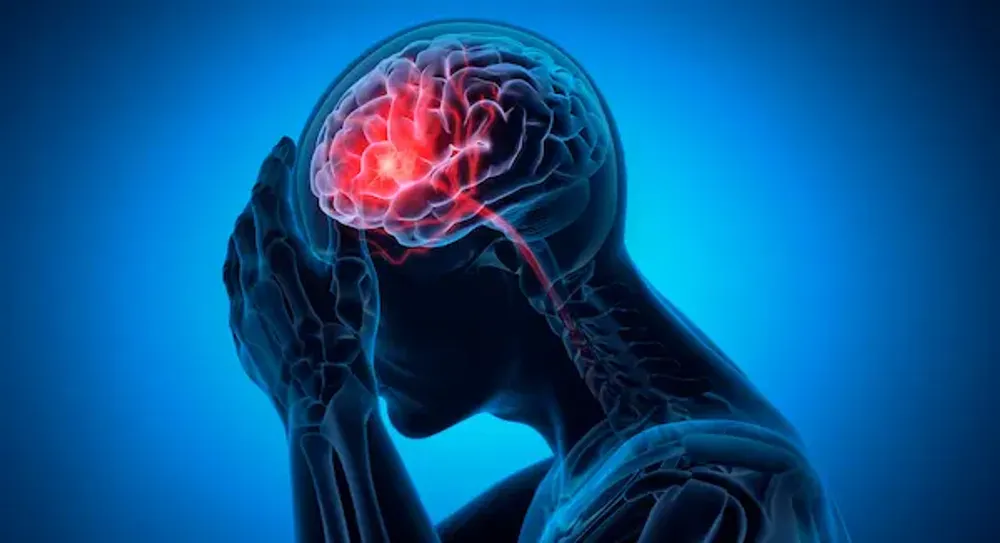
Health experts warn that recognizing these early signs can make the difference between life and death, as stroke is a medical emergency where every minute counts.
A Silent Threat That Can Strike Anytime
A stroke occurs when blood flow to the brain is interrupted, either due to a blockage or bleeding. Without oxygen, brain cells begin to die within minutes, making immediate treatment critical.
What makes stroke especially dangerous is that early symptoms can be subtle, brief, or mistaken for less serious conditions like fatigue or stress.
5 Warning Signs You Should Never Ignore
According to health sources, here are five important warning signs that may indicate a stroke:
1. Sudden Numbness or Weakness
One of the most common early signs is a sudden loss of strength or numbness, especially on one side of the body. This may affect the face, arm, or leg.
2. Confusion or Trouble Understanding
A person may suddenly feel confused, have difficulty understanding others, or struggle to respond clearly.
3. Difficulty Speaking
Speech may become slurred, slow, or difficult to understand. In some cases, the person may be unable to speak at all.
4. Vision Problems
Blurred vision, double vision, or sudden loss of sight in one or both eyes can also be warning signs.
5. Loss of Balance or Severe Headache
Sudden dizziness, loss of coordination, or an intense headache with no clear cause should never be ignored.
These symptoms often appear suddenly and may worsen quickly if not treated.
Even Brief Symptoms Can Be Dangerous
One of the most overlooked risks is when symptoms disappear quickly.
Experts warn that these temporary episodes could be a transient ischemic attack (TIA)—often called a “mini-stroke.” While symptoms may fade, the risk of a full stroke shortly afterward remains high.
That’s why even short-lived symptoms should be treated as a medical emergency.
Time Is Critical
Doctors emphasize that acting quickly is essential. Treatments for stroke are most effective within a limited time window—sometimes just a few hours.
Research shows that millions of brain cells can be lost every minute during a stroke, reinforcing the importance of immediate medical care.
What You Should Do
If you or someone around you shows any of these signs:
- Call emergency services immediately
- Note the time symptoms began
- Do not wait for symptoms to pass
Prompt action can significantly improve survival and recovery outcomes.
The Bottom Line
Stroke rarely happens without warning. The body often sends signals—but they’re easy to miss.
Understanding these signs and acting quickly could save a life—possibly your own.