Fatty liver disease is often called a “silent” condition and for good reason. In its early stages, it typically causes little to no noticeable symptoms. Many people go about their daily lives completely unaware that fat is gradually accumulating in their liver, potentially leading to inflammation, scarring, and, in severe cases, irreversible damage.
But as the disease progresses into more advanced stages - such as fibrosis or cirrhosis the body begins to show warning signs. Surprisingly, one of these signs can appear far from the liver itself: in your feet.
Understanding this lesser-known symptom could make a crucial difference in recognizing when fatty liver disease has reached a dangerous stage.
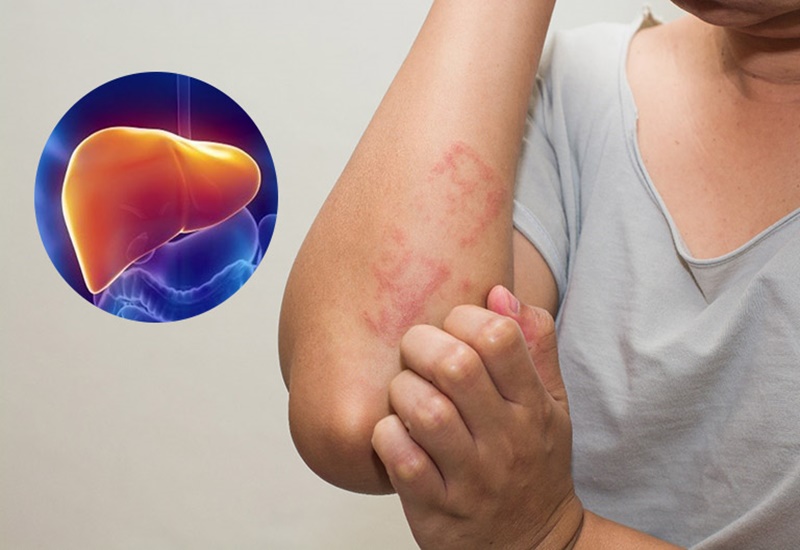
What Is Fatty Liver Disease?
Fatty liver disease occurs when excess fat builds up in liver cells. It is commonly divided into two types:
- Non-alcoholic fatty liver disease (NAFLD): Not related to alcohol consumption, often linked to obesity, diabetes, and poor diet
- Alcohol-related fatty liver disease: Caused by excessive alcohol intake
In early stages, the condition is often reversible with lifestyle changes. However, if left untreated, it can progress to:
- Non-alcoholic steatohepatitis (NASH)
- Fibrosis (scarring)
- Cirrhosis (permanent liver damage)
At the cirrhosis stage, the damage is often irreversible.
The Foot Symptom: Swelling (Edema)
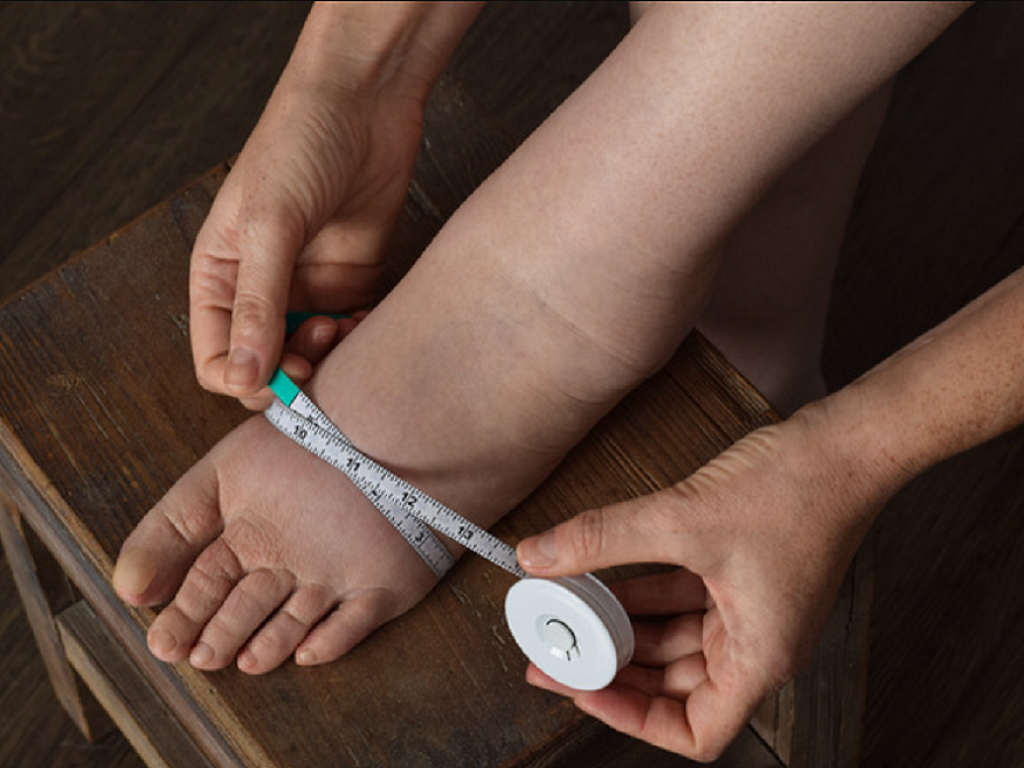
One of the most overlooked signs of advanced fatty liver disease is swelling in the feet and ankles, medically known as edema.
This swelling occurs when fluid builds up in the lower parts of the body. While it may seem like a minor issue at first, it can actually signal significant liver dysfunction.
Why does this happen?
When the liver becomes severely damaged:
- It struggles to produce enough albumin, a protein that helps keep fluid in the bloodstream
- Blood flow through the liver becomes obstructed (portal hypertension)
- Fluid leaks into surrounding tissues, especially in gravity-dependent areas like the feet and legs
As a result, noticeable swelling develops—often gradually.
How to Recognize This Symptom
Foot swelling linked to liver disease has some distinctive features:
- Persistent puffiness in the feet and ankles
- Skin may appear tight or shiny
- Pressing on the swollen area may leave a temporary indentation (pitting edema)
- Shoes may suddenly feel tighter than usual
Unlike swelling caused by standing too long or minor injuries, this type of edema does not go away easily and may worsen over time.
Why This Is a Serious Warning Sign
At the point where edema becomes noticeable, fatty liver disease may have already progressed significantly.
This symptom often indicates:
- Advanced liver scarring (fibrosis or cirrhosis)
- Reduced liver function
- Possible complications such as fluid accumulation in the abdomen (ascites)
In other words, the presence of foot swelling may suggest that the condition is no longer in its early, reversible stage.
Other Symptoms That May Appear Alongside It
Foot swelling rarely appears alone in advanced liver disease. It may be accompanied by:
- Abdominal swelling (ascites)
- Fatigue and weakness
- Yellowing of the skin or eyes (jaundice)
- Easy bruising or bleeding
- Loss of appetite
The combination of these symptoms should never be ignored.
Who Is Most at Risk?
Certain groups are more likely to develop fatty liver disease and its complications:
- Individuals with obesity
- People with type 2 diabetes
- Those with high cholesterol or triglycerides
- Individuals who consume excessive alcohol
- People with a sedentary lifestyle
Even those who appear otherwise healthy can develop the condition, which makes awareness even more important.
When Should You Seek Medical Attention?
If you notice persistent swelling in your feet or ankles—especially without an obvious cause—it’s important to consult a healthcare provider.
Seek medical advice immediately if:
- Swelling is ongoing or worsening
- It is accompanied by fatigue, jaundice, or abdominal bloating
- There is a history of liver disease or risk factors
Doctors may recommend blood tests, imaging (like ultrasound), or further evaluation to assess liver function.
Can It Be Prevented or Managed?
The good news is that early-stage fatty liver disease is often manageable and even reversible.
Key steps include:
- Maintaining a healthy weight
- Eating a balanced diet (low in processed foods and sugars)
- Exercising regularly
- Limiting or avoiding alcohol
- Managing conditions like diabetes and high cholesterol
However, once the disease reaches advanced stages, treatment focuses more on slowing progression and managing complications rather than reversing damage.

Final Thoughts
Fatty liver disease doesn’t always present obvious warning signs - until it becomes serious. A seemingly minor symptom like swelling in the feet can actually be a red flag for advanced, irreversible liver damage.
Paying attention to these subtle changes in the body is essential. What appears small on the surface may reflect something much deeper happening internally.
Awareness is not about fear - it’s about taking control early, before the condition progresses too far.