Your body has a way of sending out warning signals when something isn’t quite right. Unfortunately, many of us ignore these subtle cues until the problem becomes severe. Paying attention to these signs could help detect potential health issues early, allowing you to take action before they worsen. Here are 11 crucial signs your body might be trying to alert you about a bigger issue.
1. Persistent Dandruff and Hair Loss

Dandruff is a common scalp issue, but when it’s paired with noticeable hair loss, it could indicate a deficiency in essential vitamins and minerals. Low levels of zinc, iron, and B vitamins (B2, B3, B6, and B7) can weaken hair follicles and cause excessive shedding. If your scalp feels flaky and your hair is thinning rapidly, it might be time to assess your diet or consult a healthcare provider.
2. Wrinkled Hands and Fingers (Without Water Exposure)
It’s normal for our skin to wrinkle with age or after prolonged exposure to water, but if your fingers appear pruney without being submerged, it could be a sign of dehydration, poor circulation, or thyroid problems. Chronic dehydration can affect skin elasticity, while circulatory issues might indicate an underlying vascular condition. If this symptom persists, consider seeking medical advice.
3. White Patches on the Tongue
A healthy tongue should have a pinkish hue. If you notice white patches, you might be dealing with oral thrush, a fungal infection common in individuals with diabetes or a weakened immune system. Poor oral hygiene can also contribute to this issue, so maintaining a proper brushing and flossing routine is essential.
4. Unexplained Skin Rashes
While skin rashes are often harmless, persistent red, itchy, or scaly patches could indicate an underlying health issue such as eczema, allergic reactions, or infections. If a rash is accompanied by fever or swelling, it’s best to have it checked by a doctor to rule out any serious conditions like autoimmune diseases or bacterial infections.
5. Swollen Ankles and Feet
If your ankles and feet frequently swell without an obvious cause, this could be a sign of poor circulation, heart disease, kidney problems, or an underactive thyroid. While occasional swelling might be due to excess salt intake or prolonged standing, persistent puffiness warrants medical attention.
6. Chronic Dry Eyes
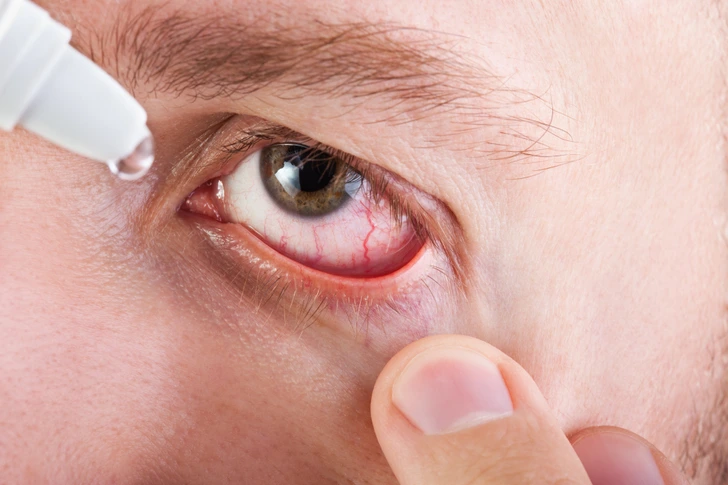
Do your eyes feel constantly dry, itchy, or irritated? While environmental factors and aging can contribute to dry eyes, persistent dryness could indicate Sjogren’s syndrome, an autoimmune condition that affects tear and saliva production. If you also experience dry mouth or joint pain, consult a doctor to rule out any immune-related disorders.
7. Frequent Bloating After Eating
Mild bloating is normal after a big meal, but if you experience severe bloating regularly, it could be a sign of food intolerance, irritable bowel syndrome (IBS), or digestive disorders. Gluten and dairy are common culprits. Keeping a food journal and identifying triggers can help, but if bloating persists, a doctor may recommend tests to rule out underlying gastrointestinal conditions.
8. Unexplained Bruises

If you frequently find bruises in random places and don’t recall any injuries, this might indicate a vitamin deficiency (such as low vitamin C or K levels) or a blood clotting disorder. In rare cases, easy bruising can be linked to liver disease or leukemia. If this happens often, consult a healthcare professional for further evaluation.
9. Constant Thirst That Won’t Go Away
Drinking plenty of water is important, but if you feel constantly thirsty, even after hydrating, this could be a sign of prediabetes or diabetes. Excessive thirst is often accompanied by frequent urination, fatigue, and blurred vision. If you experience these symptoms, getting your blood sugar levels tested is crucial.
10. Random Muscle Twitches and Spasms
Occasional muscle twitches are harmless and usually caused by stress, dehydration, or lack of sleep. However, if you experience frequent muscle spasms that don’t go away, it could signal a neurological disorder, kidney disease, or electrolyte imbalances. Pay attention to additional symptoms like numbness, weakness, or difficulty moving—these could indicate something more serious.
11. Loud Snoring and Interrupted Breathing During Sleep

Snoring may seem like a harmless annoyance, but in some cases, it could be a sign of obstructive sleep apnea (OSA). OSA occurs when the airway becomes blocked during sleep, causing pauses in breathing and leading to poor oxygen circulation. If left untreated, it can increase the risk of heart disease, high blood pressure, and stroke. If your snoring is loud and accompanied by gasping or choking sounds, seek medical advice.
Final Thoughts
Your body has an incredible way of signaling when something isn’t right. While not every symptom is a cause for alarm, persistent or unusual changes should never be ignored. Early detection can make a world of difference when it comes to serious health conditions. If you notice any of these warning signs, don’t hesitate to consult a doctor—it’s always better to be safe than sorry!