3 Physical Changes in the Limbs That Can Signal Cancer
When people think about cancer, they often imagine tumors, scans, or sudden weight loss. What many don’t realize is that some of the earliest warning signs can appear quietly in the arms, hands, legs, or feet—areas we see and use every day.
The body has a way of sending signals long before pain or severe symptoms begin. Sometimes, those signals show up in the limbs. Not every change means cancer, but certain patterns should never be ignored.
Here are three important limb-related changes that may appear when cancer develops or spreads.
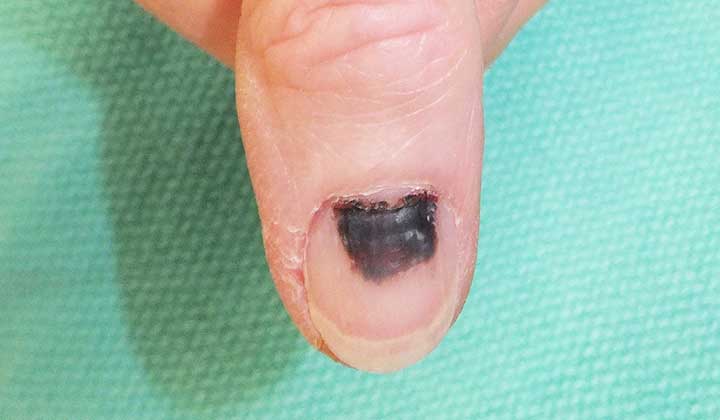
1. Unusual Nail Changes That Don’t Heal
One of the most overlooked warning signs can appear right on the nails.
Dark streaks, blackened areas under a nail, or nails that suddenly change shape can sometimes be linked to serious conditions, including cancer.
In particular:
-
A dark spot under a fingernail or toenail that isn’t caused by trauma
-
Discoloration that does not grow out with the nail
-
Nail separation, cracking, or thickening without a clear cause
In rare cases, these changes may be associated with melanoma, a dangerous form of skin cancer that can develop under the nail (subungual melanoma). Because it doesn’t look like typical skin cancer, it is often missed until later stages.
Key warning sign:
If a nail changes color without injury and continues to worsen over weeks or months, it should be examined by a medical professional.
2. Persistent Swelling in an Arm or Leg
Swelling happens for many reasons—injury, infection, or circulation problems. But persistent swelling in one limb, especially when it appears suddenly and does not improve, can be a red flag.
Cancer-related swelling often occurs when:
-
A tumor blocks lymphatic drainage
-
Cancer has spread to lymph nodes
-
The body reacts to cancer-related inflammation
This condition is sometimes called lymphedema, and it can cause:
-
One arm or leg to appear noticeably larger than the other
-
A feeling of heaviness or tightness
-
Skin that feels firm or thick
Lymphedema is commonly seen in people with breast cancer, pelvic cancers, or cancers affecting the lymph system, but it can appear in other cases as well.
Important note:
Swelling that comes and goes is usually less concerning. Swelling that progressively worsens should always be evaluated.
3. Ongoing Pain, Weakness, or Numbness Without Injury
Pain is the body’s alarm system—but cancer-related pain doesn’t always behave like typical pain.
Some people experience:
-
Deep, aching pain in a limb with no clear cause
-
Weakness that makes it difficult to grip objects or walk steadily
-
Numbness or tingling that slowly spreads
This can happen when a tumor presses on nerves, blood vessels, or the spinal cord, interfering with normal signals.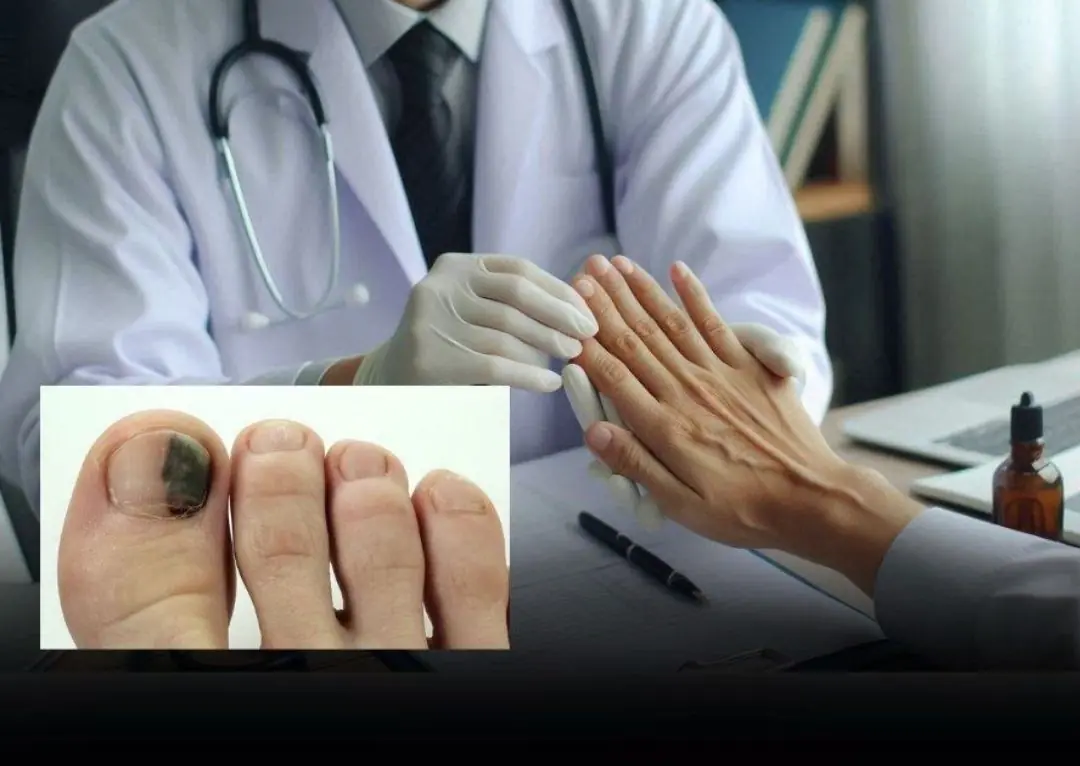
In some cancers, especially those affecting the lungs, spine, or bones, limb symptoms may appear before the cancer is diagnosed elsewhere.
What makes this concerning:
Pain that persists for weeks, worsens at night, or does not respond to rest or basic treatment deserves medical attention.
Why These Signs Are Often Missed
The reason limb-related cancer signs are overlooked is simple:
They often seem harmless at first.
A nail change looks cosmetic.
Swelling feels like a minor circulation issue.
Pain is blamed on age, stress, or overuse.
Cancer doesn’t always announce itself loudly. Sometimes it whispers.
When to Seek Medical Advice
You do not need to panic over every ache or bruise. However, it is important to seek medical evaluation if a limb-related change:
-
Lasts longer than 2–3 weeks
-
Appears without injury
-
Continues to worsen over time
-
Is accompanied by fatigue, unexplained weight loss, or night sweats
Early detection saves lives—not because every symptom is cancer, but because the ones that are caught early are far more treatable.
A Final Thought
Your hands and feet are not just tools—they are messengers.
They reveal changes in circulation, nerves, skin, and overall health. Paying attention to subtle signals can make the difference between early treatment and delayed diagnosis.
Trust your instincts.
If something feels off, it’s worth checking.
Your body speaks long before it breaks.