His Whole Body Was Itchy—He Thought It Was an Allergy. But the Diagnosis Changed Everything.
It started as something small.
An itch on the arms.
Then the legs.
Then everywhere.
At first, he blamed the obvious. A new detergent. Seasonal allergies. Dry skin from colder weather. He switched soaps, changed clothes, took antihistamines, and waited for relief.
It never came.
Instead, the itching grew worse—deep, relentless, and impossible to ignore.
When Itching Is More Than a Skin Problem
Most people associate itching with allergies, insect bites, or eczema. And often, that assumption is correct.
But persistent, full-body itching—especially without a clear rash—can be a warning sign that something deeper is wrong.
In his case, the skin looked mostly normal. No dramatic redness. No hives. Just scattered marks from constant scratching.
Doctors initially treated it like an allergy.
Creams.
Pills.
Reassurance.
None of it worked.
The Symptom That Refused to Go Away
Weeks passed.
Then months.
The itching became worse at night. Sleep disappeared. His skin burned, crawled, and tingled beneath the surface.
What made it frightening was this:
There was no clear cause.
No new foods.
No new medications.
No infection.
Just an itch that felt like it was coming from inside the body, not the skin.
The Diagnosis No One Expected
After blood tests and further evaluation, doctors finally uncovered the truth.
The itching was not an allergy.
It was a symptom of an underlying cancer.
In some cancers—especially those affecting the blood, liver, or lymphatic system—generalized itching (also called pruritus) can be an early warning sign.
This type of itching:
-
Appears without an obvious rash
-
Does not improve with typical allergy treatments
-
Often worsens at night
-
Can precede other symptoms by months
For him, the skin had been sounding the alarm long before pain or visible illness appeared.
Why Cancer Can Cause Intense Itching
Cancer-related itching happens for several reasons:
-
Tumors may release inflammatory chemicals into the bloodstream
-
Liver involvement can lead to bile salt buildup, which irritates nerve endings
-
Blood cancers can alter how the immune system reacts
The result is an itch that feels deep, systemic, and impossible to satisfy.
Scratching doesn’t help—because the source isn’t the skin.
Why So Many People Miss This Warning Sign
Itching feels harmless.
It doesn’t sound urgent.
It doesn’t look dramatic.
It doesn’t scream “emergency.”
That’s why many people—and even some healthcare providers—initially dismiss it.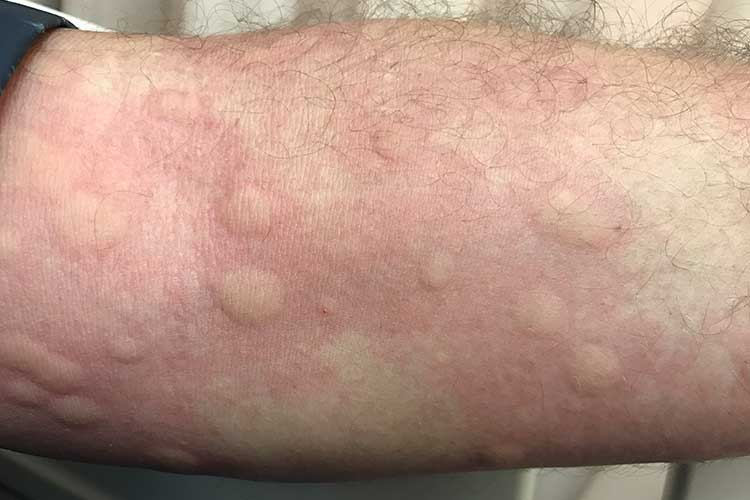
But itching that is persistent, unexplained, and widespread deserves attention, especially when paired with:
-
Fatigue
-
Unexplained weight loss
-
Night sweats
-
Changes in appetite
The body rarely sends only one signal.
What You Should Never Ignore
Not every itch means cancer.
But these red flags matter:
-
Itching lasting longer than 3–4 weeks
-
Itching with no visible skin cause
-
Itching that does not respond to treatment
-
Itching that disrupts sleep or daily life
Your skin is not just a barrier—it’s a messenger.
Early Detection Saves Lives
In his case, the itching led to further testing, earlier diagnosis, and a treatment plan that might not have happened otherwise.
Cancer doesn’t always announce itself with pain.
Sometimes it whispers.
Sometimes it irritates.
Sometimes it itches.
Listening early can change outcomes.
A Final Thought
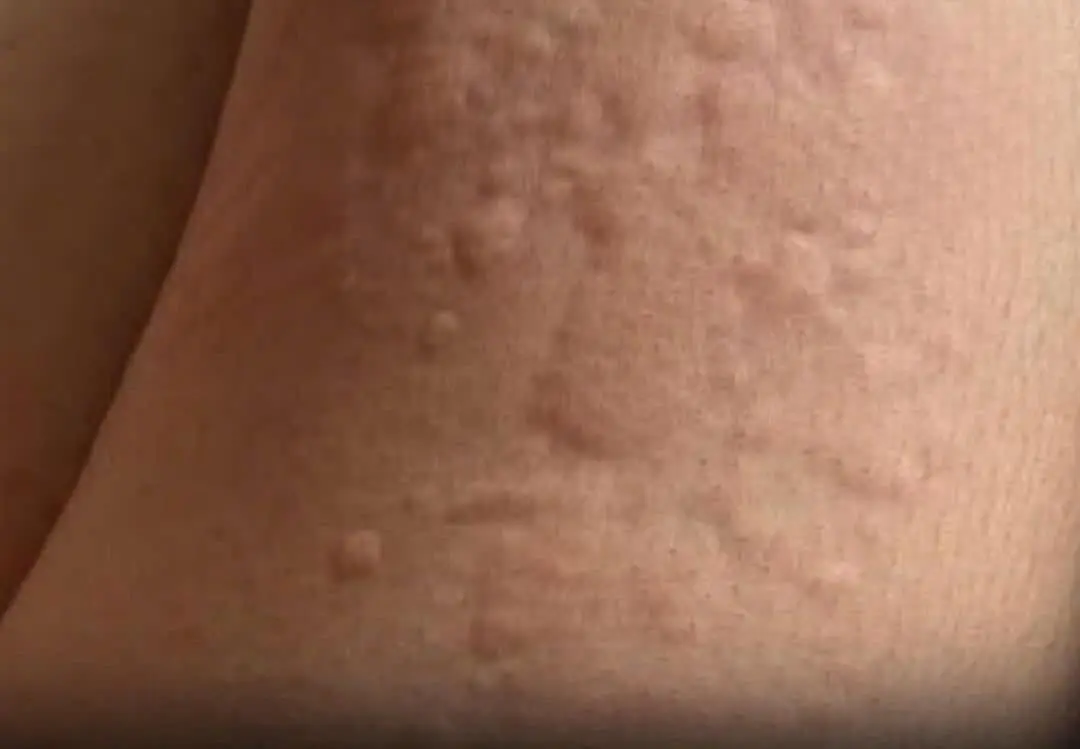
If your body keeps sending the same signal—and nothing explains it—don’t ignore it.
An itch may feel minor.
But when it refuses to go away, it deserves to be heard.
Your body knows when something isn’t right—long before you do.