
If Your Neck Looks Looser Than Before, Your Body May Be Telling You Something
When neck skin loosens, it’s not just aging — your body is changing.
Health 04/02/2026 00:43

24-Year-Old Man With Severe Metabolic Syndrome Admits a Common Mistake Many People Make Without Realizing It
A 24-year-old man diagnosed with severe metabolic syndrome—placing him at high risk for cardiovascular disease and diabetes—developed the condition after years of prolonged sitting, excessive consumption of sugary drinks and fast food, and a lack of physical activity.
Working in a data-related job, Mr. Mạnh spent 10–12 hours a day sitting in front of a computer, not including additional overtime at home. To stay alert and energized, he frequently consumed carbonated soft drinks and fast food. During his free time, he either slept to recover or went out drinking beer with friends to “relieve stress.”
In recent months, Mr. Mạnh began experiencing frequent dizziness, fatigue, and blurred vision. Believing work pressure was the cause, he tried to rest more, but his condition did not improve.
After undergoing a general health check at Tâm Anh General Hospital in Ho Chi Minh City (Tân Sơn Hòa Ward campus), Dr. Lâm Văn Hoàng, Head of the Endocrinology–Diabetes Department, confirmed that Mr. Mạnh had fairly severe metabolic syndrome, meeting all diagnostic criteria.
Specifically, his waist circumference measured 102 cm (normal <90 cm), triglycerides were 170 mg/dL (normal <150 mg/dL), HDL cholesterol dropped below 40 mg/dL (normal >40 mg/dL), blood pressure reached 130/85 mmHg (normal <120/80 mmHg), and fasting blood glucose was 120 mg/dL (normal <100 mg/dL).
InBody analysis revealed that Mr. Mạnh had class II obesity, weighing 93 kg with a BMI of 32. His visceral fat level was double the safe threshold.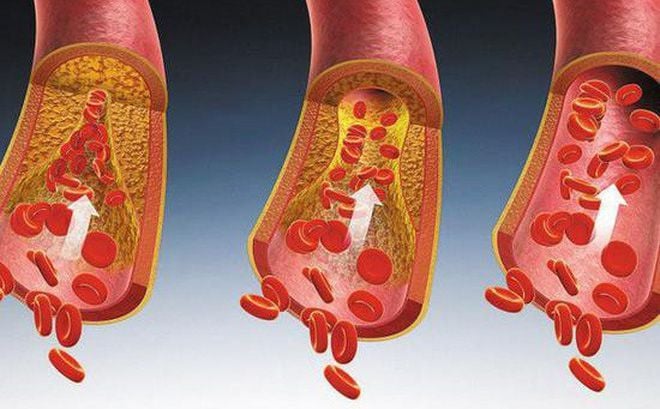
According to Dr. Hoàng, metabolic syndrome is a cluster of conditions characterized by abdominal obesity, high blood pressure, impaired blood sugar regulation or insulin resistance, and abnormal blood lipid levels. It is a major risk factor for atherosclerotic complications.
People with metabolic syndrome face a fivefold higher risk of developing type 2 diabetes and a twofold increase in cardiovascular disease risk within 5–10 years. Additionally, the risk of stroke increases by 2–4 times, myocardial infarction by 3–4 times, and cardiovascular-related mortality doubles compared to those without the syndrome.
“Most concerning is that metabolic syndrome is becoming increasingly common and affecting younger people, especially office workers like Mr. Mạnh. Because it often lacks clear symptoms, it is easily overlooked,” Dr. Hoàng emphasized.
In the past, metabolic syndrome was typically seen in middle-aged individuals due to aging and metabolic decline. Today, however, it is appearing more frequently in younger populations.
Dr. Hoàng explained that in young adults, metabolic syndrome is primarily driven by prolonged work-related stress, excessive calorie intake, fat accumulation, sedentary lifestyles, smoking, alcohol consumption, and chronic psychological stress.
Treatment must focus on controlling each risk factor—high blood pressure, abdominal fat, dyslipidemia, and elevated blood glucose—with weight loss playing a central role.
Mr. Mạnh was placed on a personalized, multidisciplinary treatment plan involving endocrinology, nutrition, and physical activity to reduce weight and abdominal fat. In addition to oral and injectable medications to help control appetite, he was advised to make significant lifestyle changes.
He replaced soft drinks with coconut water or lightly sweetened tea, increased his intake of vegetables, fruits, and lean protein, and adjusted his diet to reduce saturated fat, limit simple sugars and high–glycemic index foods, while increasing legumes and whole grains.
“Losing just 10–15% of body weight can significantly improve and control metabolic syndrome,” Dr. Hoàng noted.
By strictly following medical and nutritional guidance, Mr. Mạnh maintained at least 30 minutes of moderate-intensity physical activity daily, including strength training, jogging, or cycling.
After one month, he lost 4 kg. After three months, his total weight loss reached 14 kg, and his waist circumference decreased by 10 cm. Follow-up tests showed stabilized blood glucose and blood pressure, along with marked improvements in triglyceride and cholesterol levels.
“My goal is to reach 70 kg, and I will continue to follow my doctor’s instructions consistently,” Mr. Mạnh shared.
When neck skin loosens, it’s not just aging — your body is changing.

A month before a str:oke, your body warns you: 10 signs not to ignore

Red onion, a common ingredient found in kitchens around the world, has recently gained attention for its reported role in blood sugar regulation.

Noticing More Veins on Your Hands? Your Body Might Be Warning You of an Underlying Issue

Do Some Vegetables Really Absorb Chemicals and Parasites?

Warning: The Body May Send 5 SOS Signals Before a Stroke Occurs — Do Not Be Complacent

A Village With Almost No Cancer Cases—Thanks to a Root Vegetable Eaten Every Day

Don’t Ignore These 20 Early Warning Signs That Your Body Could Be Fighting Can:cer
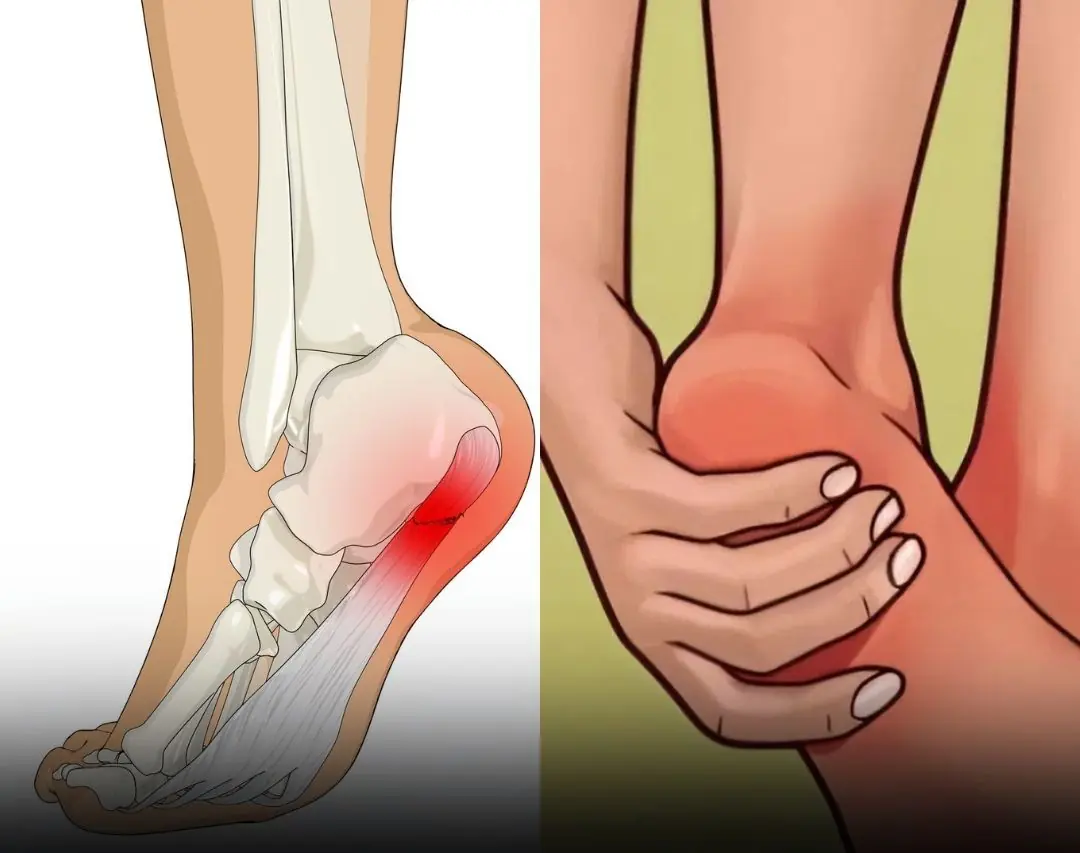
If Your Heel Hurts When You Wake Up or After Standing for a Long Time

For Those Who Fart More Than 25 Times a Day: What Your Body Is Trying to Tell You

His Whole Body Was Itchy—He Thought It Was an Allergy. But the Diagnosis Changed Everything.

Prepare to Be Shoc:ked by What’s Happening Inside Your Body
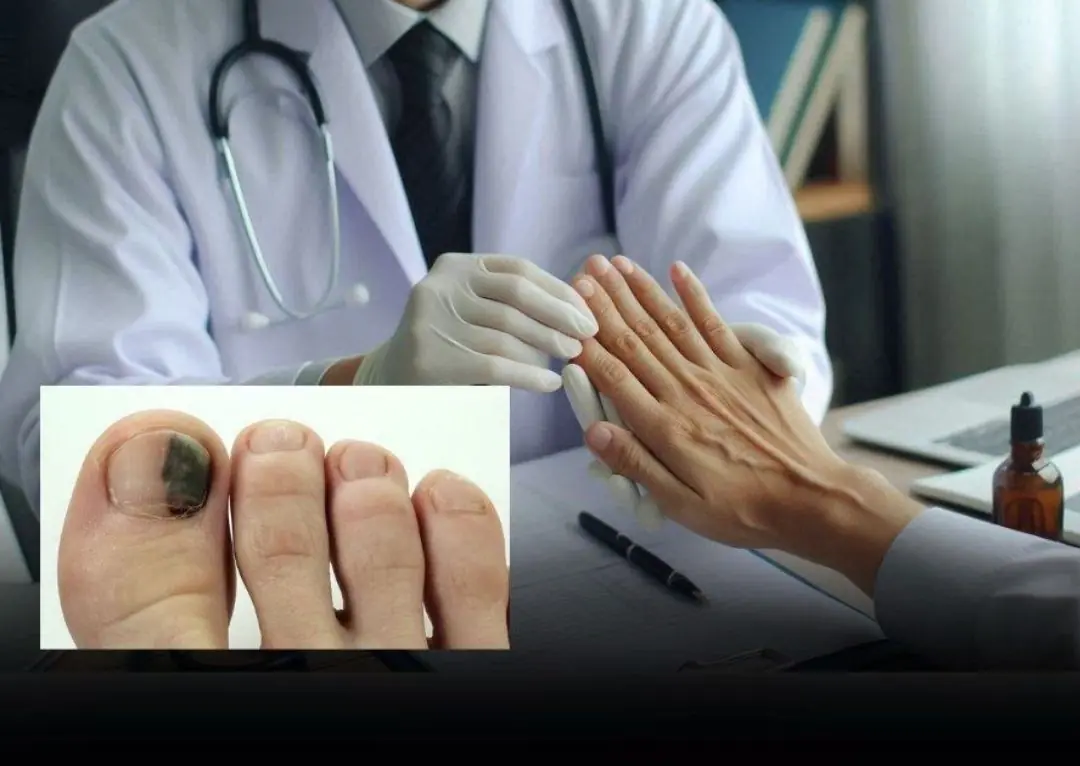
3 Early Changes in Your Arms or Legs When Ca.nc.er Develops

Foods With Anti-Cancer Potential: What Science Really Supports

A Green Ring Around Egg Yolks? Here’s What It Really Means
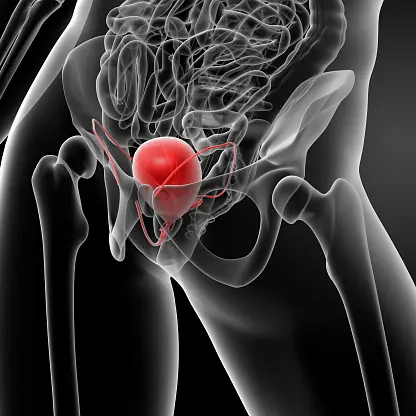
These Early Symptoms May Be Warning You About Bladder Can:cer

Man Dies After Eating Refrigerated Leftovers: A Stark Reminder About Food Safety at Home

Str.oke in Young Adults: 5 Critical Warning Signs to Watch For

Beware of diabetes if you frequently experience these 5 strange symptoms

Crispy outside, cheesy inside: broccoli has never tasted this good.
When neck skin loosens, it’s not just aging — your body is changing.
A month before a str:oke, your body warns you: 10 signs not to ignore
Red onion, a common ingredient found in kitchens around the world, has recently gained attention for its reported role in blood sugar regulation.
Noticing More Veins on Your Hands? Your Body Might Be Warning You of an Underlying Issue
Do Some Vegetables Really Absorb Chemicals and Parasites?

And what if your son did that to you?!” the mother-in-law countered
Warning: The Body May Send 5 SOS Signals Before a Stroke Occurs — Do Not Be Complacent

“Pasha, what are you doing in my client’s apartment?” Yana asked her husband, who stood in front of her in home clothes.
A Village With Almost No Cancer Cases—Thanks to a Root Vegetable Eaten Every Day
Don’t Ignore These 20 Early Warning Signs That Your Body Could Be Fighting Can:cer
If Your Heel Hurts When You Wake Up or After Standing for a Long Time
For Those Who Fart More Than 25 Times a Day: What Your Body Is Trying to Tell You
His Whole Body Was Itchy—He Thought It Was an Allergy. But the Diagnosis Changed Everything.
Prepare to Be Shoc:ked by What’s Happening Inside Your Body
3 Early Changes in Your Arms or Legs When Ca.nc.er Develops

It reveals itself quietly, in just two powerful signs.

Having transferred all the property into his own name, Lara’s ex-husband left her without a penny—and a random encounter some time later would shock him

“Don’t spend the bonus yet—my sister’s wedding is coming up soon. We’ll give them the money,” Rita’s husband advised her