If Your Heel Hurts When You Wake Up or After Standing for a Long Time, This Is What’s Happening to Your Body
Heel pain is one of those symptoms people tend to ignore—until it starts interfering with daily life.
At first, it feels minor.
A sharp sting when you step out of bed.
A dull ache after standing too long.
Something that eases once you “walk it off.”
But when heel pain becomes consistent, especially first thing in the morning or after long periods of rest, your body is sending a clear message.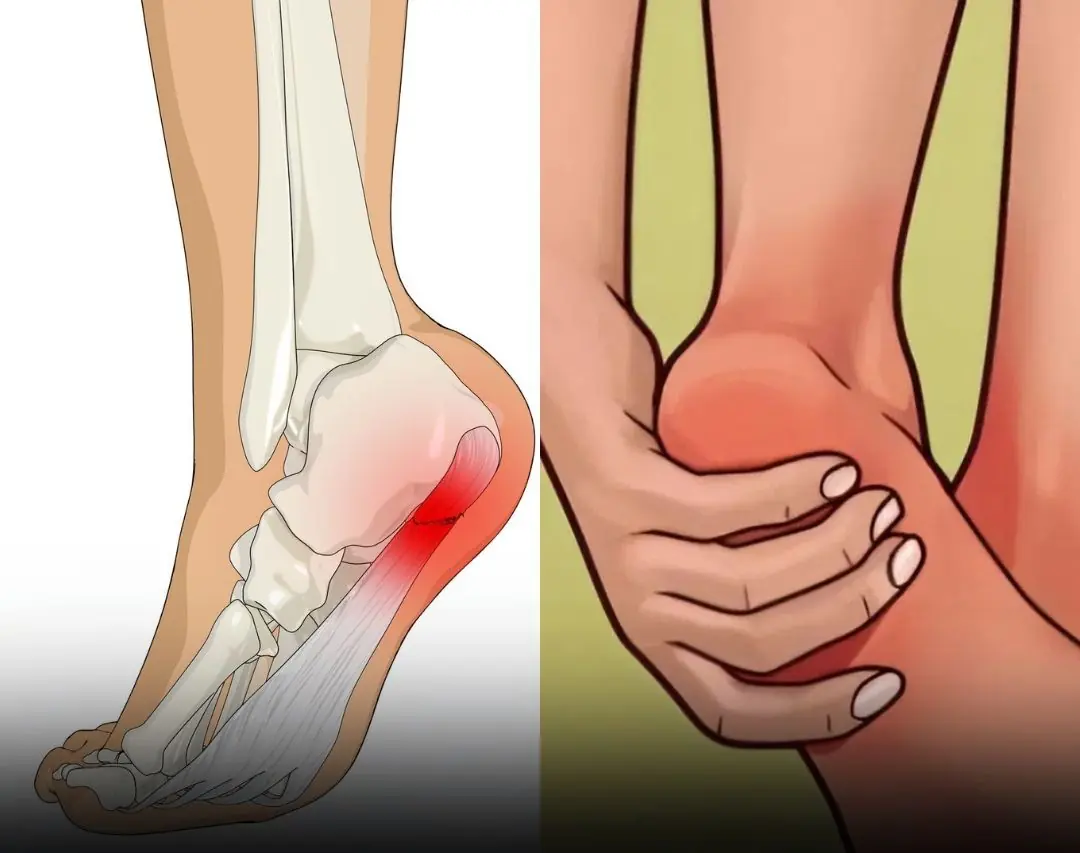
The Most Common Cause: Plantar Fasciitis
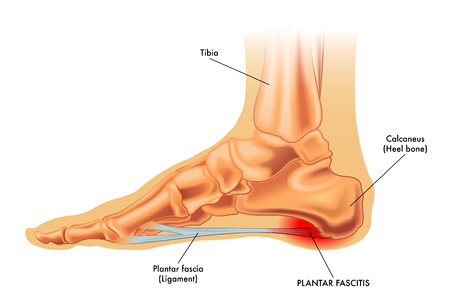
In most cases, this type of heel pain is caused by plantar fasciitis.
The plantar fascia is a thick band of tissue that runs along the bottom of your foot, connecting your heel bone to your toes. Its job is to:
-
Support the arch of your foot
-
Absorb shock when you walk or run
-
Stabilize your movement
When this tissue becomes inflamed or overstressed, pain develops—usually right at the heel.
Why the Pain Is Worse in the Morning
This detail matters.
While you sleep, your foot is relaxed and pointed slightly downward. During that time, the plantar fascia tightens and shortens.
When you stand up suddenly:
-
The tissue is forced to stretch quickly
-
Micro-tears are re-stressed
-
Pain flares sharply at the heel
That’s why the first few steps in the morning can feel unbearable, but the pain may lessen as the tissue warms up.
This pattern is a classic sign of plantar fasciitis.
Why Standing for Long Periods Makes It Worse
When you stand or walk for extended periods:
-
The plantar fascia bears repeated stress
-
Inflammation increases
-
The heel absorbs continuous impact
Jobs that involve long hours on your feet—such as healthcare, retail, teaching, or factory work—put people at higher risk.
So do:
-
Unsupportive footwear
-
Hard floors
-
Sudden increases in activity
It’s Not “Just Foot Pain”
Plantar fasciitis isn’t dangerous—but ignoring it can turn a manageable problem into a chronic one.
Without treatment:
-
The tissue continues to weaken
-
Pain becomes constant, not just in the morning
-
You may unconsciously change how you walk
That compensation can lead to knee, hip, or back pain, creating a chain reaction throughout the body.
Other Conditions That Can Cause Similar Heel Pain
While plantar fasciitis is the most common cause, heel pain may also be linked to:
-
Heel spurs
-
Achilles tendon inflammation
-
Stress fractures
-
Nerve irritation
This is why persistent heel pain should never be dismissed without proper evaluation.
What Makes Heel Pain More Likely
Several factors increase the risk:
-
Flat feet or very high arches
-
Obesity or sudden weight gain
-
Tight calf muscles
-
Aging (tissue becomes less flexible over time)
-
Poor footwear with little arch support
Heel pain is not a sign of weakness—it’s often a sign of overuse and under-support.
What Helps Relieve the Pain
Early care can make a huge difference.
Helpful strategies include:
-
Stretching the calves and plantar fascia daily
-
Wearing supportive shoes, even at home
-
Avoiding walking barefoot on hard surfaces
-
Using ice to reduce inflammation
-
Reducing high-impact activities temporarily
Many people see improvement when they address the issue early instead of pushing through the pain.

When You Should See a Professional
You should seek medical advice if:
-
Heel pain lasts more than a few weeks
-
Pain worsens instead of improving
-
You experience swelling, redness, or numbness
-
Pain interferes with walking or work
Heel pain is common—but it should not become your “normal.”
A Final Thought
Pain when you wake up is not random.
It’s your body telling you that something has been under strain while you rest—and it needs attention, not endurance.
Ignoring heel pain doesn’t make you strong.
Listening to it makes you smart.
Your feet carry you through life.
Taking care of them means taking care of your future.