⚠️ Warning: 20 Early Signs Your Body May Be Fighting Cancer
Cancer doesn’t always begin with pain.
In many cases, the body starts reacting long before a diagnosis is made—sending subtle signals through the skin, energy levels, digestion, and immune system. These signs are often dismissed as stress, aging, or minor illness.
While none of these symptoms alone confirm cancer, persistent or unexplained changes deserve attention.
Below are 20 early warning signs that may indicate your body is fighting something serious.
1. Unexplained Weight Loss
Losing weight without changes in diet or activity can signal metabolic changes caused by cancer.
2. Chronic Fatigue
This is not normal tiredness. Cancer-related fatigue doesn’t improve with rest and can feel overwhelming.
3. Persistent Itching
Generalized itching without a clear rash may be linked to blood, liver, or lymph-related cancers.
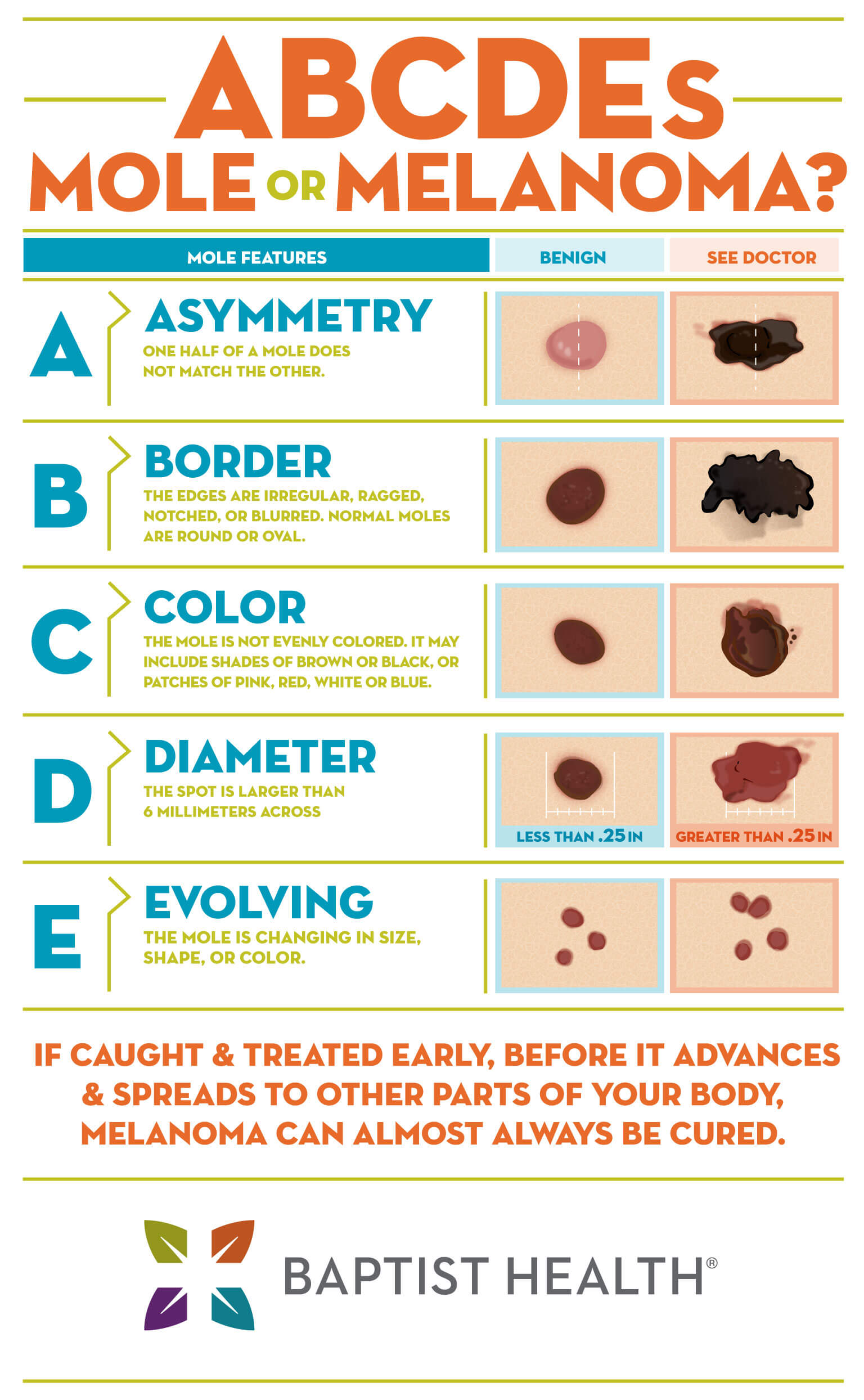
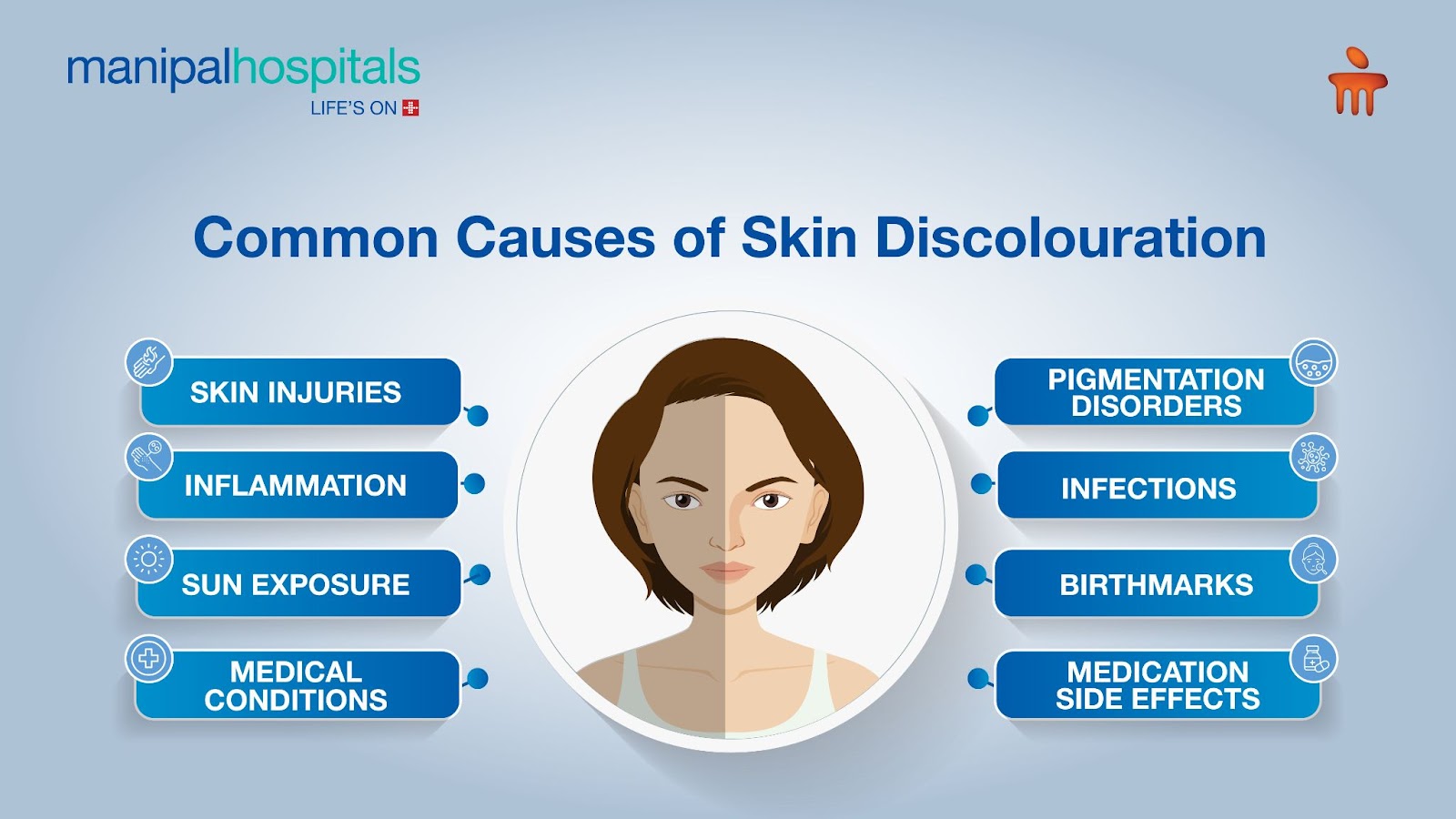
4. Skin Changes That Don’t Heal
New moles, color changes, scaly patches, or sores that won’t heal should never be ignored.

5. Frequent Infections
Cancer can weaken the immune system, making infections more common or harder to recover from.
6. Night Sweats
Drenching night sweats, especially when combined with fever or weight loss, can be a red flag.
7. Persistent Fever
A low-grade fever that comes and goes without infection may indicate immune system activation.
8. Swollen Lymph Nodes
Painless swelling in the neck, armpits, or groin that doesn’t go away should be checked.
9. Changes in Bowel Habits
Long-term constipation, diarrhea, or changes in stool shape may signal digestive cancers.
10. Blood Where It Shouldn’t Be
Blood in stool, urine, cough, or vomit always requires medical evaluation.
11. Difficulty Swallowing
Persistent trouble swallowing may be linked to throat or esophageal cancer.
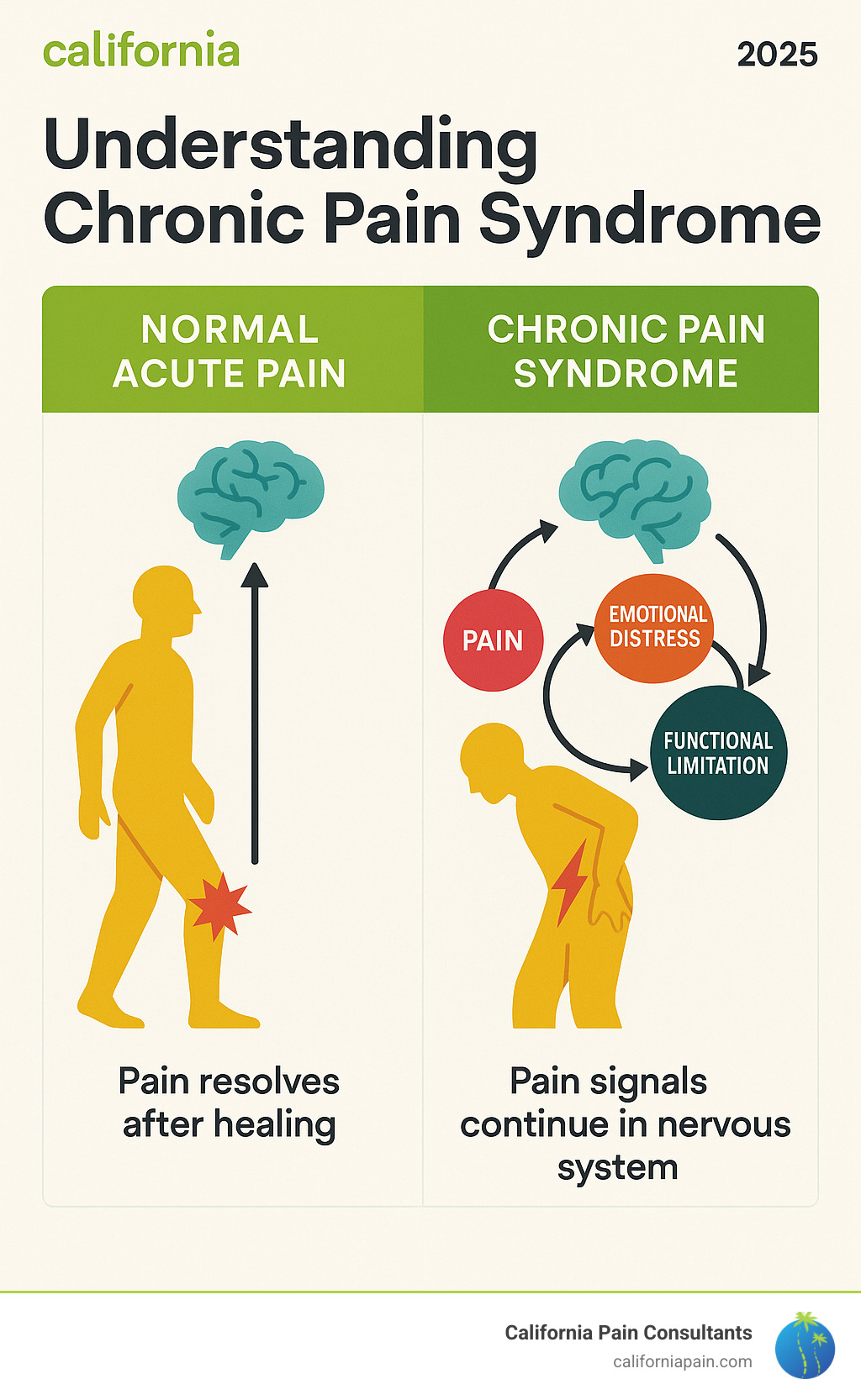
12. Ongoing Pain Without Cause
Cancer-related pain often doesn’t respond well to rest or basic treatment.


13. Shortness of Breath
Unexplained breathlessness may be associated with lung or blood-related cancers.
14. Persistent Cough
A cough that lasts for weeks, especially with blood or chest pain, should be evaluated.
15. Voice Changes
Hoarseness lasting more than two weeks may signal throat or lung involvement.
16. Loss of Appetite
Sudden disinterest in food can reflect metabolic or digestive changes.
17. Easy Bruising or Bleeding
This may indicate blood disorders or bone marrow involvement.
18. Lumps or Thickened Areas
New lumps anywhere on the body should always be examined.
19. Numbness or Tingling
Tumors can press on nerves, causing unexplained sensory changes.
20. A Feeling That “Something Isn’t Right”
Many patients report intuition or persistent unease before diagnosis. This should not be dismissed.
Why These Signs Matter
Cancer doesn’t usually start loudly.
It often begins with small disruptions—signals that the immune system is reacting, fighting, or struggling to maintain balance.
The body rarely sends only one warning.
It sends patterns.
When You Should Seek Medical Advice
You should consult a healthcare professional if symptoms:
-
Persist longer than 2–3 weeks
-
Worsen over time
-
Appear without explanation
-
Occur together (fatigue + weight loss + itching, for example)
Early evaluation does not mean panic—it means protection.
A Final Thought
Not every symptom is cancer.
But every persistent symptom is information.
Your body doesn’t whisper without a reason.
Listening early can save time, health, and sometimes life.
Awareness is not fear.
It is power.