Images and headlines warning that certain vegetables “absorb chemicals” or are “full of parasites” spread quickly on social media. Lettuce, spinach, herbs, and other leafy greens are often singled out as dangerous foods that many people unknowingly consume every day.
But how much of this is true—and how much is misinformation?
The reality is more complex than viral posts suggest. While vegetables can carry risks if grown, handled, or prepared improperly, they are also among the most important foods for human health.
Why Vegetables Get a Bad Reputation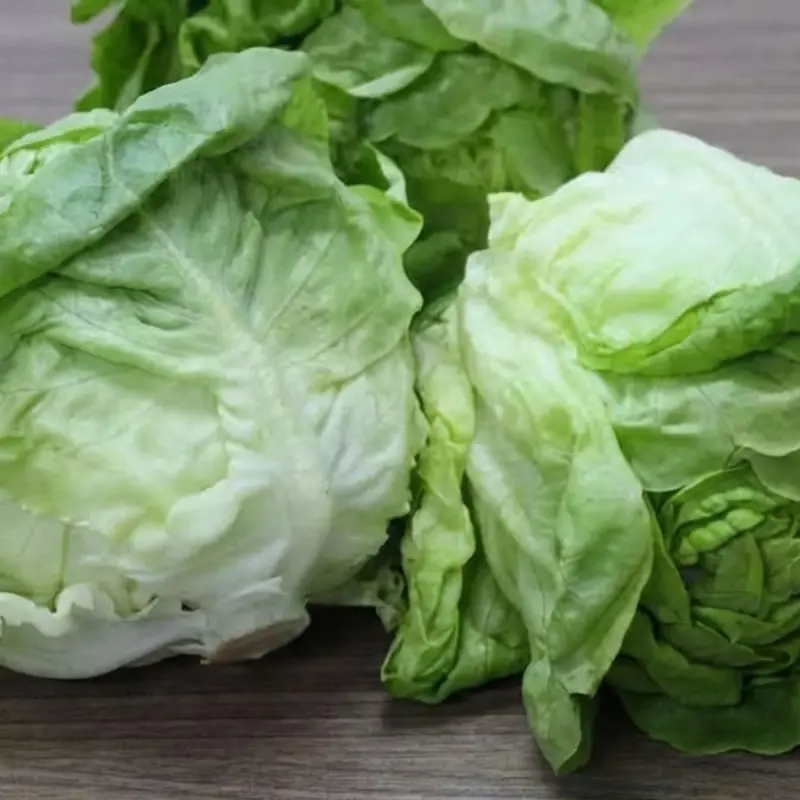
Vegetables grow in soil, are exposed to water, insects, and microorganisms, and are often eaten raw. This makes them an easy target for fear-based claims. When people see microscope images of worms or bacteria next to leafy greens, it creates the impression that vegetables are inherently unsafe.
In reality, risk depends on conditions, not the vegetable itself.
Do Vegetables Absorb Chemicals?
Some vegetables can absorb residues from pesticides or fertilizers used during farming. Leafy greens like lettuce, spinach, and kale are more exposed because of their large surface area.
However, this does not mean they are “toxic” by default. Regulatory agencies in many countries set strict limits on pesticide residues. When vegetables are grown and sold legally, residue levels are typically far below thresholds considered harmful.
Organic vegetables may reduce exposure to certain synthetic pesticides, but they are not completely chemical-free either.
What About Parasites?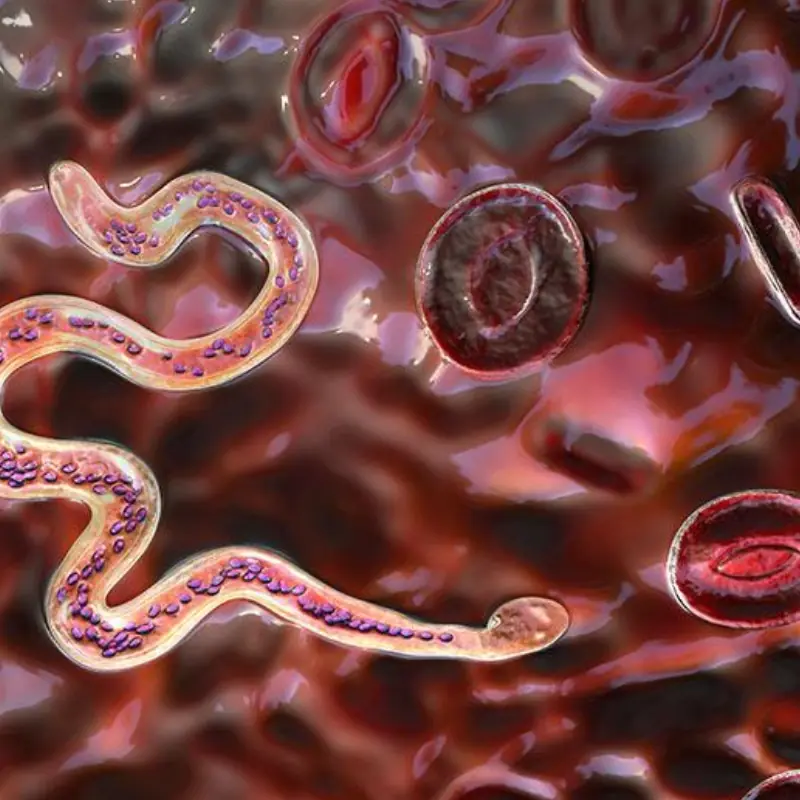
Parasites associated with vegetables usually come from:
-
Contaminated irrigation water
-
Poor sanitation during harvesting
-
Improper washing before consumption
Vegetables themselves do not “create” parasites. They can only carry them if hygiene standards fail.
Leafy greens, herbs, watercress, and raw sprouts are more vulnerable because they grow close to the ground and are often eaten raw.
8 Vegetables Commonly Targeted in Viral Claims
-
Lettuce – High surface area, often eaten raw
-
Spinach – Can trap dirt if not washed well
-
Cilantro & parsley – Dense leaves hold moisture
-
Watercress – Grows in water, sensitive to contamination
-
Cabbage – Outer leaves may retain soil
-
Celery – Absorbs water easily
-
Green onions – Grown close to soil
-
Raw sprouts – Warm, moist growing conditions increase bacterial risk
These vegetables are not dangerous by nature—but they require proper handling.
The Real Risk Is Poor Preparation
Most reported cases of foodborne illness linked to vegetables are caused by:
-
Not washing produce thoroughly
-
Using contaminated water
-
Cross-contamination in the kitchen
Simple steps dramatically reduce risk:
-
Rinse vegetables under running water
-
Separate raw produce from raw meat
-
Use clean cutting boards and knives
-
Store vegetables properly
Peeling outer leaves and soaking briefly in clean water can also help.
Why Fear-Based Messages Are Harmful
Claims that vegetables are “full of parasites” can discourage people from eating them altogether. This is far more dangerous in the long run.
Vegetables provide:
-
Fiber for gut health
-
Vitamins and minerals essential for immunity
-
Plant compounds that reduce inflammation
Avoiding vegetables increases the risk of heart disease, obesity, diabetes, and certain cancers.
What Science Actually Recommends
Health organizations worldwide consistently advise increasing vegetable intake—not avoiding it. The focus should be on:
-
Food safety education
-
Clean farming practices
-
Proper home preparation
No credible scientific body recommends cutting vegetables out of a healthy diet due to parasite fears alone.
The Bottom Line
Vegetables do not secretly “absorb toxins” to harm humans. Like all foods, they require responsible production and preparation.
Instead of fearing vegetables, learn how to wash, store, and prepare them correctly. Informed habits protect health far better than viral warnings ever could.