For many people, the first place to show visible signs of aging isn’t the face — it’s the neck. Sagging skin, fine lines, or a loss of firmness around the neck often appear quietly, sometimes even before wrinkles become noticeable elsewhere. While this change is commonly blamed on age alone, experts say a looser-looking neck can reflect a combination of internal and external factors happening inside the body.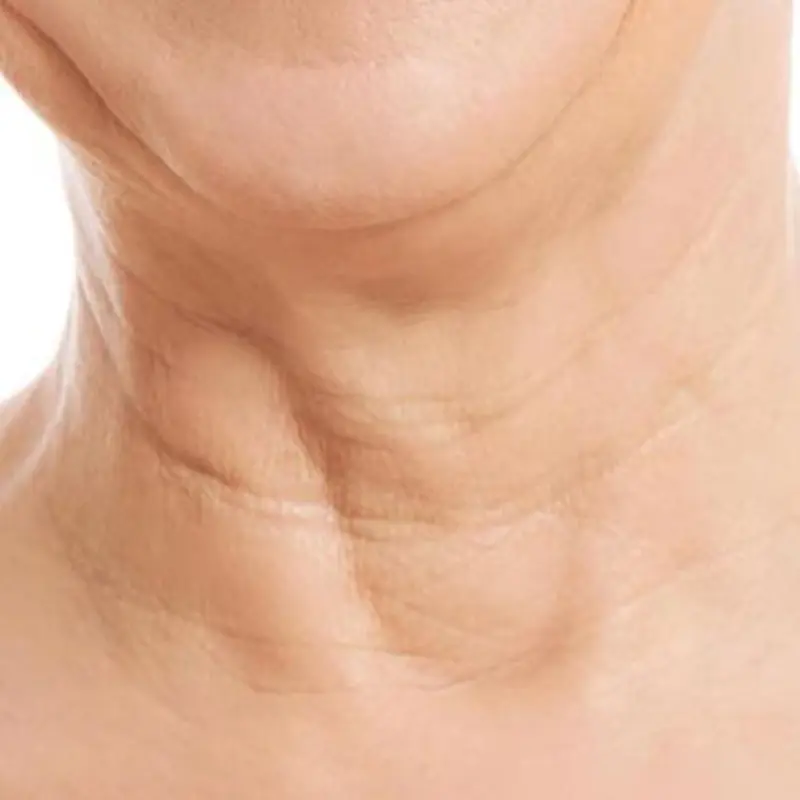
The skin on the neck is thinner and contains fewer oil glands than facial skin, making it more vulnerable to dryness, sun damage, and loss of elasticity. Over time, collagen and elastin — the proteins responsible for keeping skin firm and resilient — naturally decline. As these support structures weaken, gravity begins to take effect, and the skin may start to droop.
However, aging is only part of the story.
One major contributor to neck sagging is prolonged sun exposure. Ultraviolet (UV) rays break down collagen fibers and accelerate skin aging, a process known as photoaging. Unlike the face, the neck is often overlooked when applying sunscreen, leaving it unprotected for years. This cumulative damage can cause the skin to lose strength and firmness faster than expected.
Lifestyle habits also play a role. Rapid weight loss, for example, can reduce the fat that once supported the skin, leaving it loose and less elastic. Dehydration may make skin appear thinner and more creased, while smoking restricts blood flow and oxygen delivery to skin cells, speeding up structural damage. Poor sleep posture and constant downward head movement — sometimes called “tech neck” — can also contribute to premature sagging and creasing.
Hormonal changes, especially during midlife, may further influence skin appearance. Declining estrogen levels affect collagen production and skin thickness, which can make the neck look less firm over time. Stress, too, can indirectly impact skin health by increasing inflammation and disrupting the body’s natural repair processes.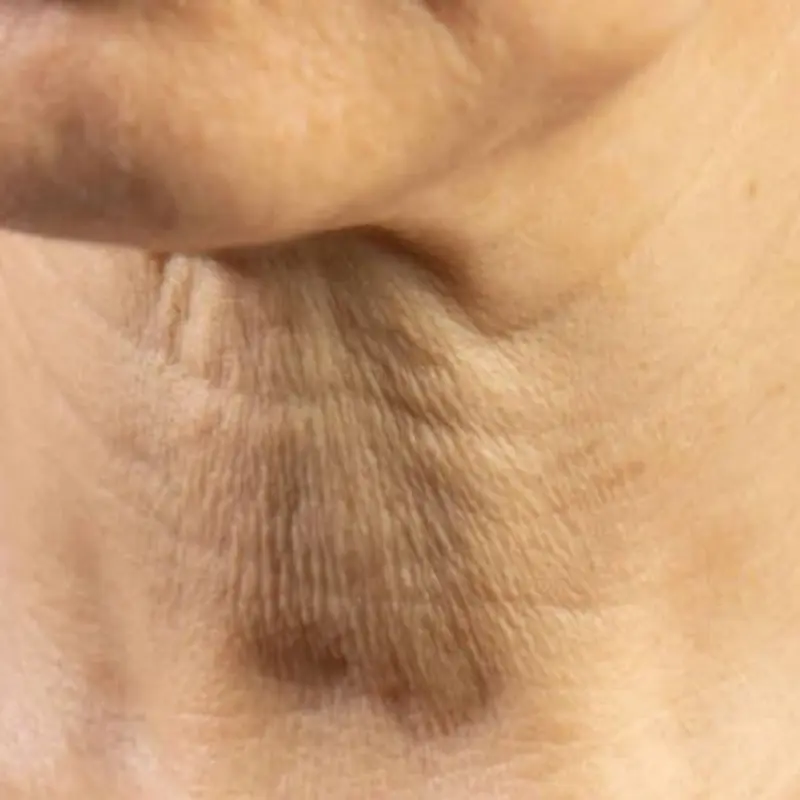
While a sagging neck is often a cosmetic concern, it can also be a gentle reminder to reassess overall skin care and wellness habits. Dermatologists emphasize that prevention and maintenance matter more than quick fixes. Daily sun protection, proper hydration, and a balanced diet rich in antioxidants support skin health from the inside out.
Skincare routines should not stop at the jawline. Moisturizers, gentle exfoliation, and products containing ingredients like retinol, peptides, or vitamin C can help improve texture and stimulate collagen over time. Consistency is key — visible improvements take patience, not overnight solutions.
For those concerned about sudden or dramatic changes in skin firmness, medical professionals advise paying attention to the broader context. Skin can reflect shifts in weight, nutrition, or overall health. If changes are accompanied by other unusual symptoms, consulting a healthcare provider may help rule out underlying issues.
Ultimately, a looser-looking neck is not a flaw, nor is it something to fear. It is a visible sign of how the body evolves with time, lifestyle, and environment. Understanding why it happens allows people to make informed choices — not in pursuit of perfection, but in support of long-term health and confidence.
The neck, often called the “second face,” deserves attention, care, and protection. Listening to what your body is showing you can be the first step toward aging more gracefully and consciously.