Posting anonymously on Reddit, the man recounted that he was only 15 years old in 2003 when he collapsed suddenly in the middle of a road. He described feeling “just fine all day” before his body broke into a cold sweat, and he began gasping for air. Without warning, his heart was thrown into ventricular fibrillation—a chaotic rhythm that is the most common cause of sudden cardiac arrest and often fatal if not immediately treated.
“I was clinically d:ead,” he wrote. “They tried tirelessly to revive me in the ambulance after paramedics confirmed I had no heartbeat. After six minutes—somehow—it came back.”
But what he remembered from those six minutes was something far stranger than d:eath itself.
A Journey Into the Beyond
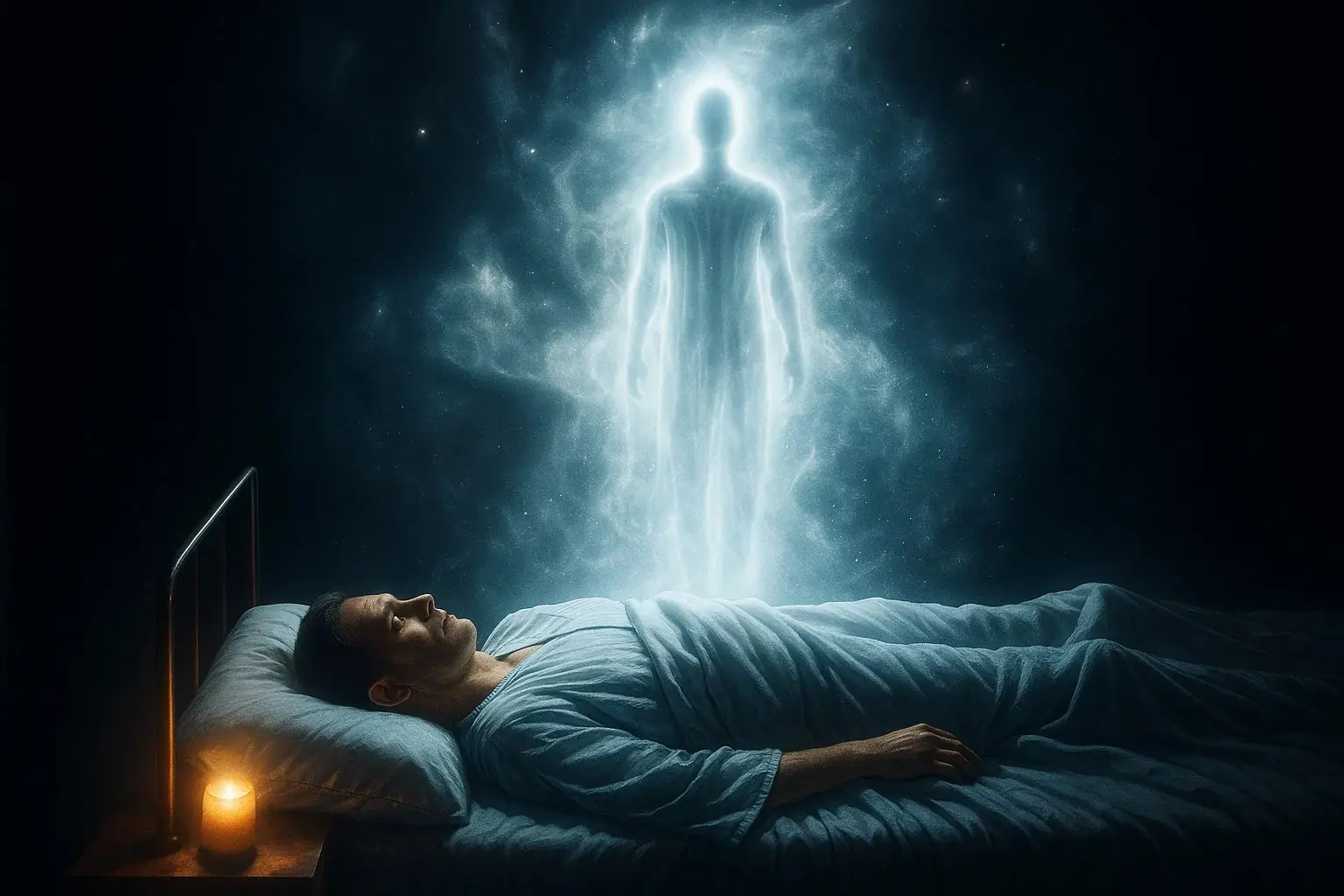
According to the man, he is among the rare few who have experienced what’s known as a near-d:eath experience (NDE)—a condition in which people are temporarily declared clinically d:ead, yet are later revived, sometimes with vivid recollections of what they saw or felt in that state.
These accounts have puzzled scientists, theologians, and medical experts for decades, blurring the lines between spirituality and biology.
“During my visit, I learned things about our universe that I wish I hadn’t,” he wrote, in a post that has now received over 12,000 likes and more than 400 comments.
He described the beginning of the experience as deeply peaceful:
“It began with light. Blinding, white, pervasive. It bathed me, calmed me. It was everything they tell you about. Beatific, welcoming, the stuff of spiritual experiences.”
He felt a sensation of ascent, as if the light was lifting him toward the sky. He passed through multiple sets of gates, though he could barely make sense of them in his altered state.
Then, he arrived in a space that defied logic and language:
“I arrived in a place without dimension, a place beyond reality. It only made sense while I occupied it.”
From Heaven to Horror
What began as a serene, almost celestial experience soon took a terrifying turn.
The man wrote that he was suddenly surrounded by cold, mocking entities—creatures unlike anything he had ever imagined.
“At first, because of my Christian upbringing, I believed them to be angels.”
“In my incorporeal form, I made the spiritually-equivalent gesture of opening my arms, anticipating their embrace.”
“Instead, I felt myself shackled by their powers, like a collared dog.”
Overcome by “humiliation and terror,” he realized these were not beings of light and love, but something far more alien and menacing.
“These were not the ethereal beings I’d been led to believe await us.”
For what felt like an eternity, the man says he was trapped in that realm, confronted by truths too horrible to share, as the creatures commanded him not to reveal their existence to others.
“I can’t imagine anything worse than what I experienced, subsumed beneath an ineffable grief and torment.”
Back to Life, But Not the Same
When his heart finally restarted, he returned to his body—but he was forever changed.
“For weeks, I tried to explain to anyone who would listen what I experienced.”
“Everyone told me I’d suffered a very serious and traumatic experience for a young man, that the event left scars on my psyche as well as my heart.”
The man's account is unverified, and skeptics point out that no two near-d:eath experiences are exactly alike. Still, thousands of readers expressed their shock, fear, and fascination in the Reddit comments.

Science and the Mystery of d:eath
While tales of afterlife encounters may sound fantastical, they aren’t entirely dismissed by science. In fact, modern research suggests the brain can remain active for a short period after clinical d:eath occurs.
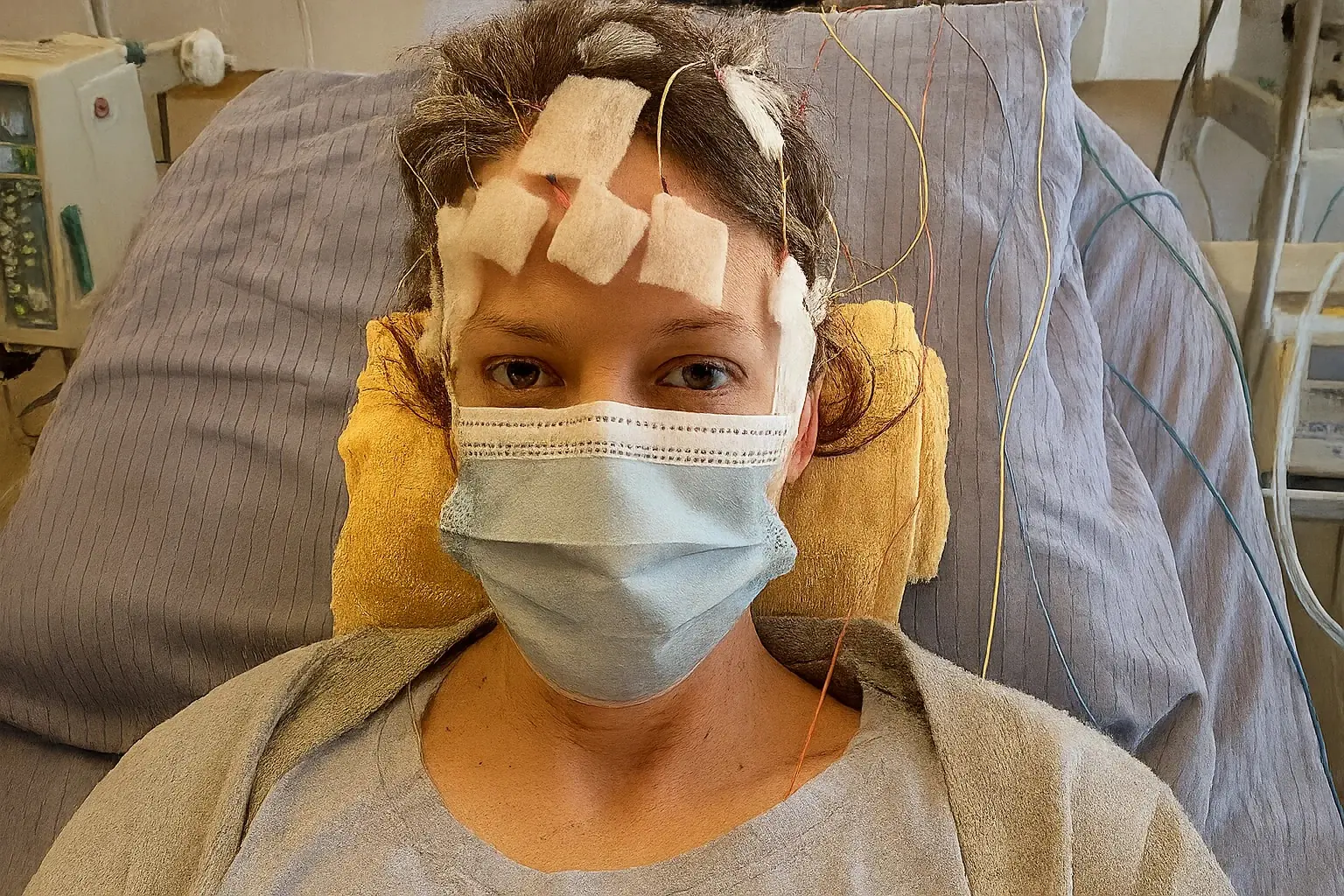
For example, Canadian woman Amber Cavanagh once told MailOnline that after suffering two strokes at age 43, she reached what she called the “meeting point” of heaven. She even claimed to have seen her husband weeping over her unconscious body.
There is growing evidence that even after the heart stops and the brain appears “off” on basic scans, some neural activity continues. In some documented cases, the brain can even reignite moments of electrical activity up to an hour after oxygen deprivation.
This has led some experts to question current medical standards of d:eath, which often declare someone deceased after just 3–5 minutes without oxygen to the brain.
Could that be too soon?
The Debate Over What We “See” After d:eath
People from around the world have reported out-of-body experiences, encounters with departed loved ones, or visions of blinding light and celestial realms after being revived.
Why so many of these accounts share striking similarities is still a matter of debate. One theory suggests that as the brain begins to shut down, its internal “filters” collapse, allowing us to access hyper-real memories or heightened states of consciousness.
Others argue it could be a psychological coping mechanism, or simply brain chemistry responding to trauma.
Still, not all post-d:eath experiences are peaceful—some, like this anonymous Redditor’s, are deeply disturbing.
Brain d:eath vs. Clinical d:eath
It’s crucial to note that clinical d:eath and brain d:eath are not the same.
In clinical d:eath, the heart has stopped, but brain activity may continue for a short time—especially with medical intervention. Resuscitation is still possible.
Brain d:eath, however, occurs when all brain function ceases permanently. These patients cannot regain consciousness, and their bodies only remain alive via mechanical support.
In the UK and many other countries, brain d:eath is considered legal d:eath. However, for families watching a loved one breathe via a ventilator, the idea can be hard to grasp.
Final Thoughts
Whether you believe in an afterlife, or think such visions are a product of the dying brain, stories like these continue to raise existential and scientific questions. What truly happens after d:eath? Is consciousness preserved beyond our final heartbeat?
As one Reddit commenter wrote beneath the man’s account:
“Whatever you saw—real or not—it changes the way we think about life itself.”