I used to believe that family was a shelter—imperfect, noisy, sometimes unfair, but ultimately safe. I believed that if I kept my head down, worked hard, and loved my children fiercely, the rest would fall into place. I was wrong. The day I learned that betrayal can wear a familiar face was the day I stopped being just a mother trying to survive and became a mother willing to fight.
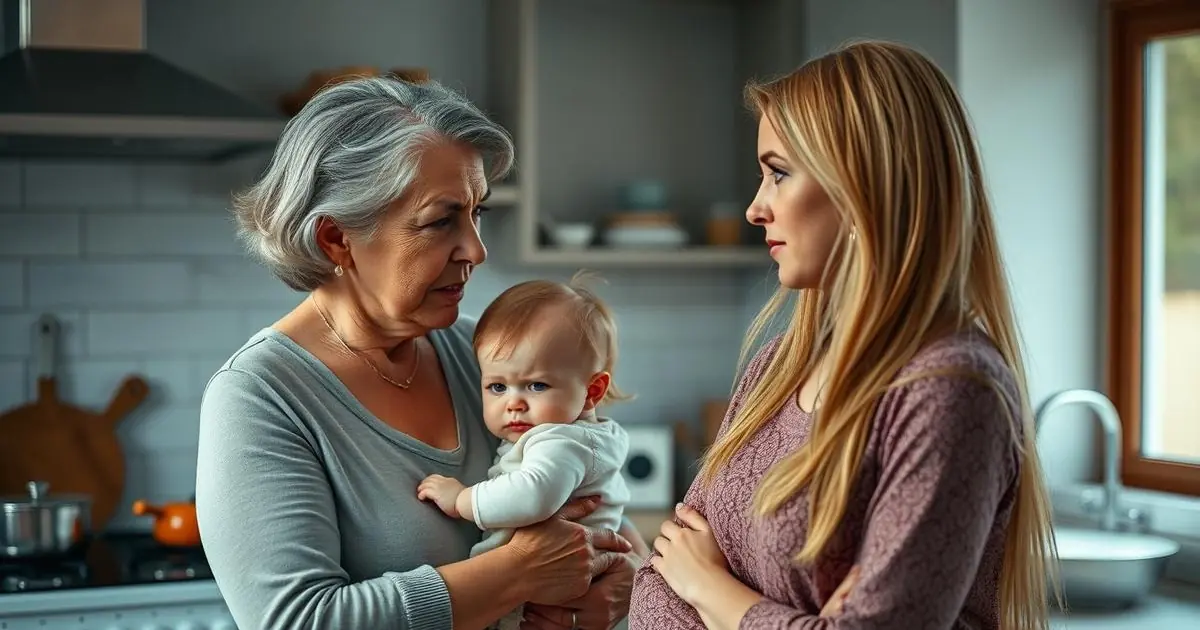
The cracks began quietly. A comment here, a sigh there. Suggestions disguised as concern. “You’re too sensitive,” they said when I asked why decisions about my children were made without me. “We’re only trying to help,” they insisted while rearranging our lives like furniture they owned. I told myself it was stress, misunderstanding, normal family friction. I told myself anything to keep the peace.
Peace, I learned, is often the first casualty when power enters the room.
Money was the weapon they used most gently and most effectively. Not cash handed openly, but favors, obligations, invisible strings tied to school choices, medical appointments, even what my children ate for dinner. When I objected, I was reminded of everything I “owed.” When I stayed silent, the list grew longer. Gratitude became a leash.
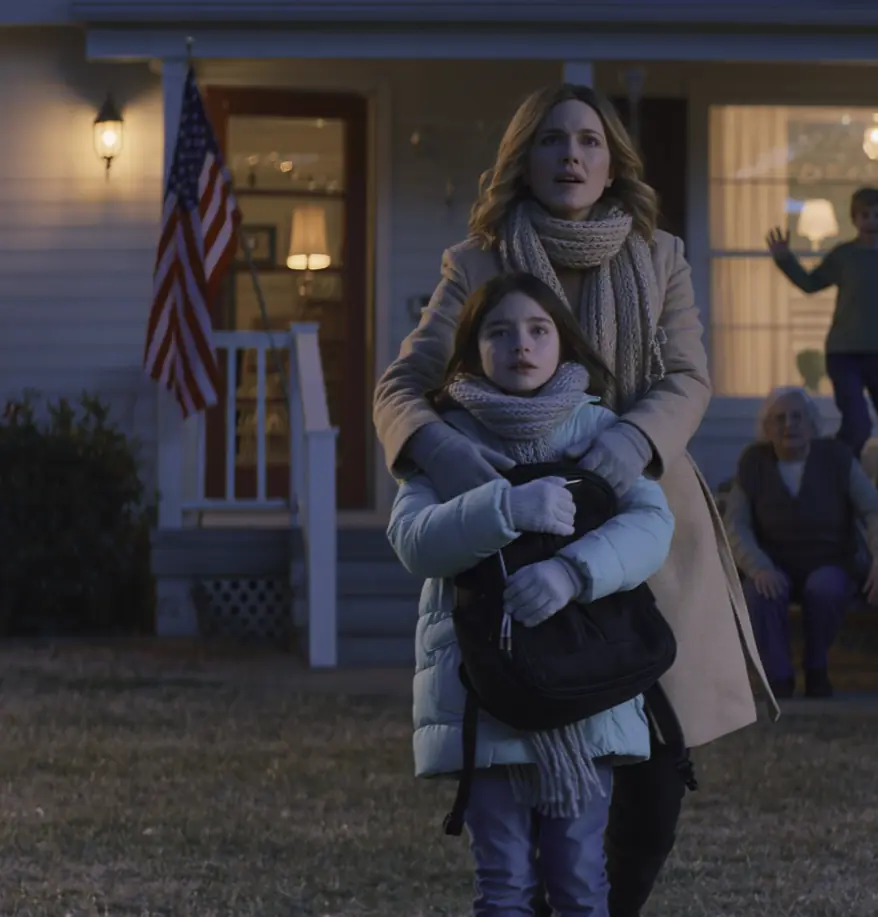
My children noticed before I did. Children always do. They sensed the tension in my pauses, the way my voice changed when certain topics came up. They learned to watch the adults closely, measuring their words, choosing silence where laughter should have been. One night, after a long day, one of them asked me why we always had to ask permission. The question landed like a stone in my chest.
That night, I didn’t sleep. I counted every compromise I had made in the name of stability. I replayed every moment I had swallowed my anger so my children wouldn’t see me argue. I realized that in trying to protect them from conflict, I had taught them to accept disrespect. The thought was unbearable.
The betrayal revealed itself fully not with shouting, but with paperwork. A decision about my children’s future had been made without me, signed and sealed as if my role were ceremonial. When I confronted them, they smiled patiently, the way people do when they think you’re unreasonable. They told me it was for the best. They told me I was overreacting. They told me I should be thankful.
Thankful. For being erased.
I left that conversation shaking, not with fear, but with clarity. Betrayal hurts most when it comes wrapped in certainty. They were certain they knew better. Certain they could override me. Certain I would back down.
They were wrong.
I began quietly. I gathered documents, notes, dates, messages. I learned the language of rules and rights, the kind written in fine print and enforced only when someone insists. I asked questions I had never dared to ask. I sought advice without apologizing for needing it. Each answer strengthened me, like bone knitting after a break.
At home, I spoke differently to my children. I stopped softening the truth. I told them that adults make mistakes, that authority is not the same as wisdom, and that love should never require silence. I told them that their voices mattered—and so did mine.
The pushback was immediate. Accusations replaced concern. I was called selfish, ungrateful, dramatic. Old favors were dragged into the light and waved like receipts. The pressure intensified, aimed not just at me, but at my children, subtle enough to deny, sharp enough to wound. That was the moment the line was crossed for good.
I stood up in rooms where I had once sat quietly. I said no without offering explanations. I refused meetings that excluded me. I demanded transparency. Each boundary sparked outrage, but also something else—fear. Control, once challenged, always panics.
They tried to turn my children against me. Whispered doubts. Framed themselves as the reasonable ones. But children know who shows up. They know who listens at night when the world feels heavy. They know who chooses them, every time. The bond we had built in small, ordinary moments became our shield.
There were days I nearly gave in. Days when exhaustion blurred my resolve, when the cost of resistance felt too high. On those days, I watched my children sleep. I reminded myself that courage is not the absence of fear, but the decision that something else matters more.
The turning point came quietly. A formal acknowledgment. A corrected record. A boundary respected, if not welcomed. It wasn’t victory in the dramatic sense. No apologies arrived. No one admitted fault. But power shifted. And sometimes, that is enough.
Life didn’t become easier overnight. But it became honest. My children laughed more freely. I breathed more deeply. The constant tension eased into something manageable, something real. We built routines that belonged to us alone, free from negotiation.
I learned that standing up does not always look loud. Sometimes it looks like consistency. Like refusing to be provoked. Like choosing dignity over approval. I learned that betrayal can break you—or it can teach you exactly who you are.
Today, when I look at my children, I don’t see fragility. I see resilience. I see young people who know that love does not demand silence, that family is defined by respect, and that even when the world tries to decide for you, you still have the right to stand.
I am no longer asking for permission. I am no longer explaining my worth. I am a mother who learned, the hard way, that protecting your children sometimes means confronting those who believe they own your obedience.
And I would do it again.