The Surprising Science Behind Oregano’s Health Benefits
Oregano is one of the most popular herbs used in kitchens around the world, especially in Mediterranean cooking. Known for its strong aroma and bold flavor, oregano is commonly added to pizza, pasta, sauces, and grilled dishes. But beyond its culinary appeal, scientists are increasingly studying oregano for its potential health benefits.
Modern research suggests that this humble herb may contain powerful compounds that support overall wellness, from fighting harmful bacteria to reducing inflammation.
What Makes Oregano Special?

Oregano comes from the plant Origanum vulgare, a member of the mint family. For centuries, it has been used in traditional medicine to treat various ailments, including digestive problems and respiratory infections.
According to researchers at the National Institutes of Health, oregano contains several bioactive compounds that may contribute to its health-promoting properties.
Two of the most important compounds are:
-
Carvacrol
-
Thymol
These natural chemicals are believed to be responsible for many of oregano’s antimicrobial and antioxidant effects.
Rich in Powerful Antioxidants
One of oregano’s most impressive qualities is its high antioxidant content. Antioxidants help protect the body from damage caused by free radicals—unstable molecules that can contribute to aging and chronic diseases.
Studies cited by the Harvard T.H. Chan School of Public Health show that herbs like oregano often contain higher concentrations of antioxidants than many fruits and vegetables when measured by weight.
These antioxidants may help reduce oxidative stress in the body, which is linked to conditions such as heart disease and certain cancers.
Natural Antibacterial Properties
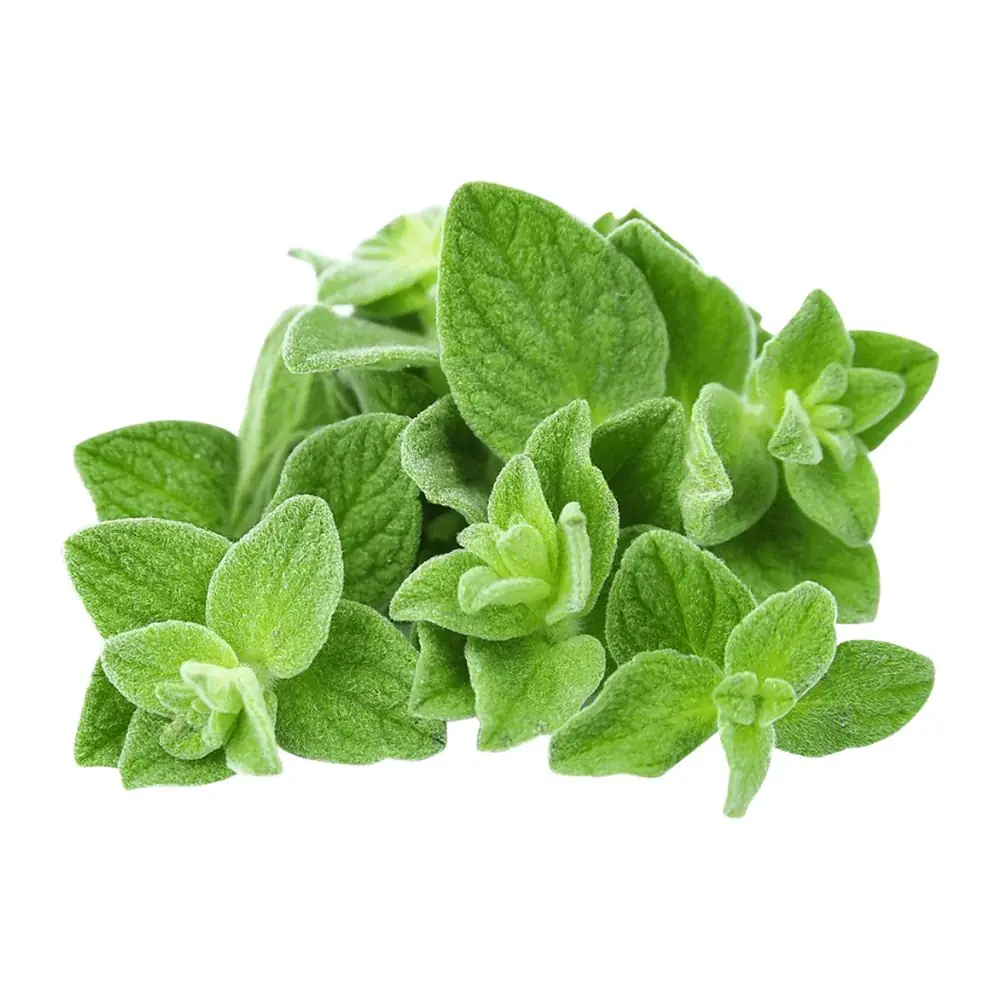
Oregano has long been recognized for its ability to fight harmful microbes. Laboratory studies suggest that compounds in oregano—particularly carvacrol—may help inhibit the growth of certain bacteria.
Researchers have found that oregano extracts may be effective against bacteria such as E. coli and Salmonella, both common causes of foodborne illness.
According to the Cleveland Clinic, oregano oil is sometimes used as a natural remedy because of its antimicrobial potential, although more human studies are still needed.
May Help Reduce Inflammation
Chronic inflammation is linked to many long-term health conditions, including heart disease, arthritis, and metabolic disorders.
Some studies suggest that oregano’s active compounds may help reduce inflammatory responses in the body. Carvacrol, in particular, has been shown in laboratory research to have anti-inflammatory effects.
Reducing inflammation may play a role in protecting overall health and supporting the immune system.
Potential Benefits for Digestive Health
In traditional herbal medicine, oregano has often been used to support digestion.
It may help:
-
Stimulate digestive enzymes
-
Reduce bloating
-
Support a healthy balance of gut bacteria
Some herbal practitioners believe oregano can help calm mild stomach discomfort, although clinical evidence in humans is still limited.
Possible Role in Immune Support
Because oregano contains antioxidants and antimicrobial compounds, it may also contribute to immune health.
By helping the body combat harmful microorganisms and reducing oxidative stress, oregano may support the immune system’s ability to function properly.
Health experts from the World Health Organization emphasize that herbs and plant-based foods rich in antioxidants can play an important role in maintaining overall health when included as part of a balanced diet.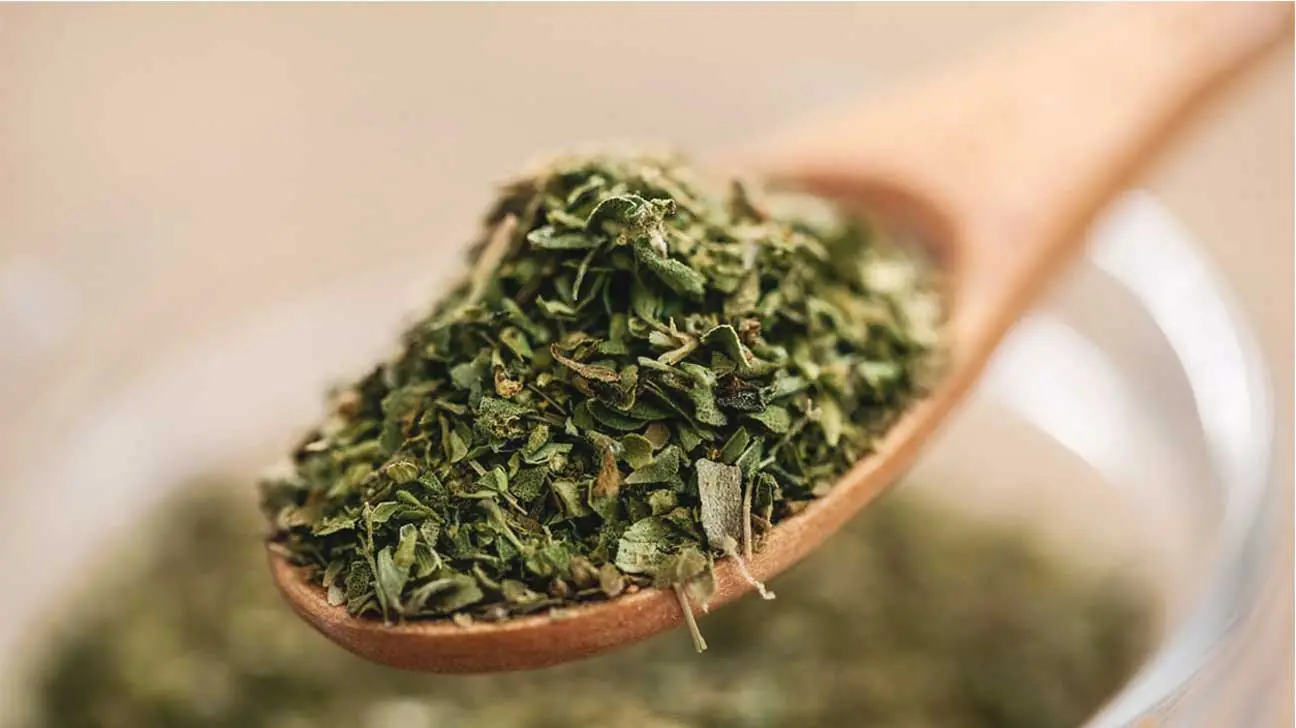
How to Add Oregano to Your Diet
One of the easiest ways to benefit from oregano is simply by incorporating it into everyday meals.
Common ways to use oregano include:
-
Sprinkling dried oregano over pasta or pizza
-
Adding it to soups and tomato sauces
-
Using it in marinades for meat or vegetables
-
Brewing oregano tea from fresh leaves
Fresh oregano can also be added to salads or roasted dishes for extra flavor.
A Word of Caution
While oregano used in cooking is generally safe, concentrated oregano oil supplements should be used carefully.
Large amounts of oregano oil may cause digestive irritation or interact with certain medications. Experts recommend speaking with a healthcare professional before taking herbal supplements regularly.
The Bottom Line
Oregano may be best known as a flavorful kitchen herb, but science is revealing that it contains powerful compounds with potential health benefits. From antioxidants and antimicrobial properties to possible anti-inflammatory effects, oregano is more than just a seasoning.
While more human studies are needed to confirm many of these effects, adding oregano to your meals is a simple and delicious way to support a healthy diet.
Sources
-
National Institutes of Health – Research on oregano compounds
-
Harvard T.H. Chan School of Public Health – Antioxidants in herbs
-
Cleveland Clinic – Oregano and potential health benefits
-
World Health Organization – Diet and health guidelines