A Winning Secret: How I Tested My Family and Transformed My Life
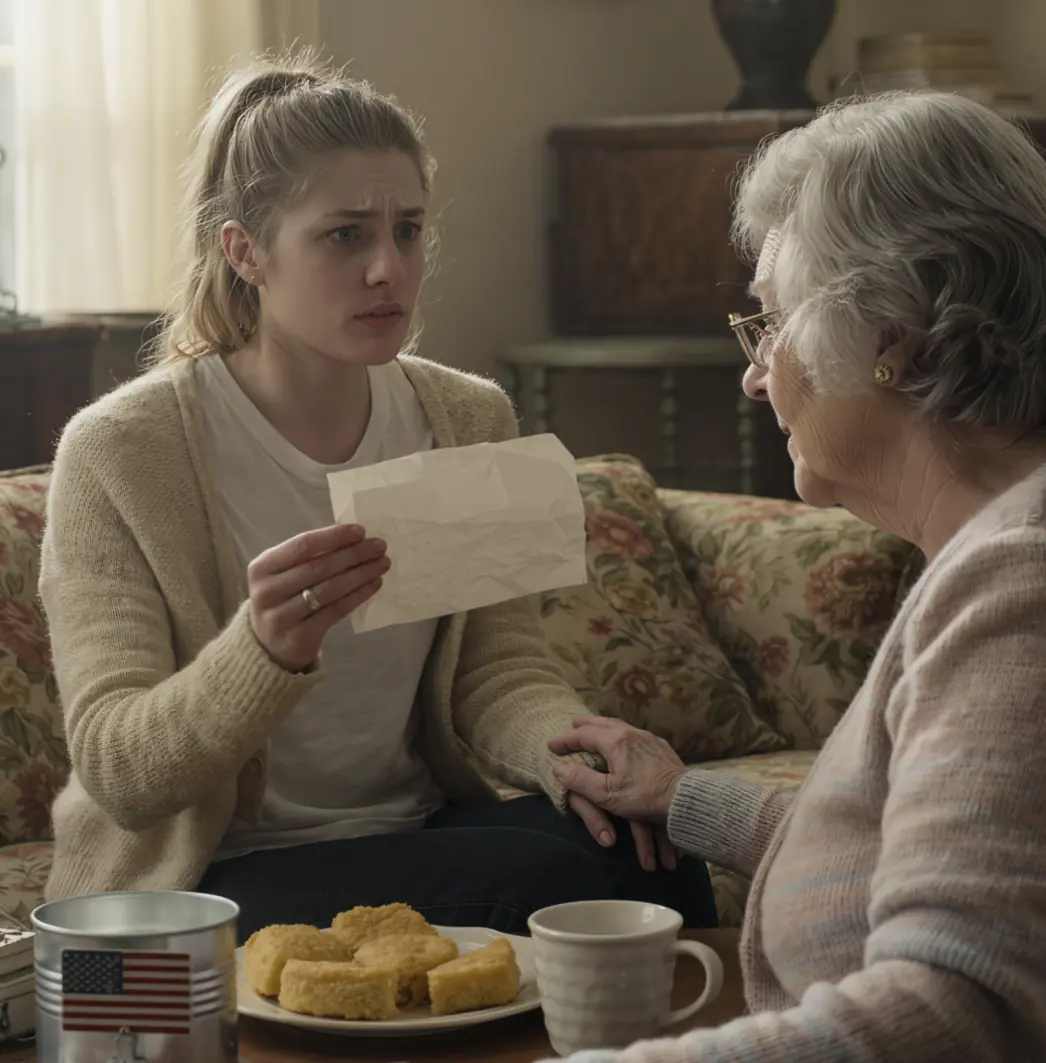
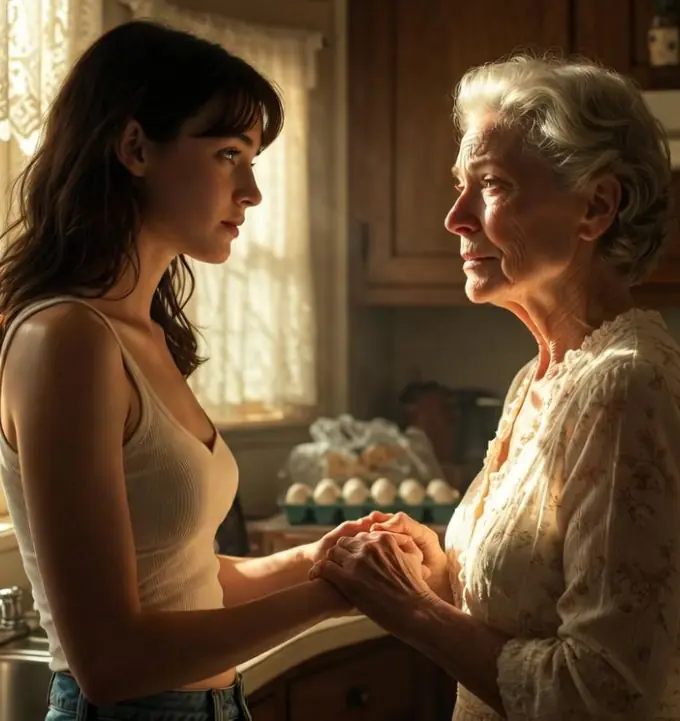
A winning secret: how I tested my family and transformed my life began with a quiet, private fear—one I had carried silently for years. I always believed family should be a sanctuary, a place of loyalty and trust. But somewhere along the way, mine became a battlefield disguised behind polite smiles and rehearsed affection. I saw it in the way my siblings spoke to me only when they needed something. In the way my parents praised success but punished failure. In the way every gesture felt transactional, monitored, measured. I wanted to know the truth—whether the love I received was real or merely convenient. The idea came to me on a sleepless night. I had recently achieved something extraordinary: a major award in my field, one that came with a substantial financial prize. Instead of celebrating, I lay in bed wondering who in my family would suddenly appear with congratulations—and who would appear with demands. I didn’t want to be cynical, but experience had taught me caution. So I made a decision, one that felt both bold and terrifying. I told no one about the award. Not yet. I created a small test. A way to observe my family without the mask they wore in the presence of opportunity. The plan was simple. I would pretend I had lost my job and needed help. I wouldn’t ask for money—just support, understanding, maybe a place to stay temporarily. Nothing dramatic. Nothing unreasonable. Just enough to see who stood by me without expecting reward. I started with my sister—always the closest to me, or so I thought. I called her, voice gentle, and explained that I had been let go due to sudden company downsizing. Her first response wasn’t concern, but irritation. “You’re kidding,” she snapped. “What am I supposed to do with that information?” I hesitated. “I just needed someone to talk to.” She sighed loudly. “Well, I’m busy. I can’t offer you anything right now.” Anything. Not even a kind word. Her response settled like lead in my chest. I had expected disappointment, not cruelty. I tested the others one by one. My brother told me I should have “worked harder,” barely disguising his satisfaction at my misfortune. My mother lectured me for thirty minutes on responsibility, ignoring the fact that I had never once relied on her financially. My father simply said, “You’ll figure it out,” in the cold tone of a man whose love depended on performance. Not one person asked if I was okay. Not one offered a meal, a couch, or even a moment of patience. The truth became impossible to unsee. But the test wasn’t over. A week later, word spread—my sister had told my aunt, who told my cousin, who told everyone else. My “unemployment” became family gossip. Except now the tone had shifted. They believed I was no longer useful, no longer a source of status or admiration, and they withdrew even further. The calls stopped. The invitations vanished. I disappeared from their world the moment I seemed to have nothing to give. It hurt. Deeply. But pain has a strange way of carving out clarity. The only person who reached out was my grandmother. She called with her trembling voice and said, “Come over. I made your favorite soup.” No judgment. No questions. Just warmth. I visited her that evening, and she held my hand as though she had known the truth all along. “Family is not defined by blood,” she whispered. “It’s defined by who stays when life gets dark.” Those words became the backbone of my transformation. A month later, when I finally revealed the truth—that I had never lost my job, that I had won an award, that I had quietly tested them—everything exploded. My sister accused me of tricking them. My mother claimed I embarrassed the family. My brother demanded to know how much money I had won, as though he were entitled to it. Not one acknowledged their absence during the time they believed I was struggling. I listened to their outrage without fear. Something inside me had changed. I no longer trembled before their expectations. “I wanted to know who loved me for me,” I said calmly. “And now I know.” The silence that followed was louder than any argument. I didn’t cut them off immediately. That would have been too easy. Instead, I redrew the boundaries of my life—quietly, firmly, unapologetically. Invitations went unanswered. Favors were no longer granted. Conversations became brief and distant. I invested my energy elsewhere: friendships I had neglected, passions I had paused, dreams I had postponed. With the award money, I took steps toward the life I had always wanted. I bought a small studio space and turned it into a creative sanctuary. I traveled alone for the first time, discovering pieces of myself hidden beneath years of pleasing others. I enrolled in classes I had always been curious about—ceramics, photography, even a cooking course. The more I built my new life, the less I mourned the old one. But the biggest transformation happened in my mind. I realized I had spent years shrinking myself to earn a kind of love that never truly existed. I had pretended to be less successful to avoid jealousy, less emotional to avoid judgment, less ambitious to avoid conflict. Now, I no longer felt the need to dim my own light for the comfort of others. One afternoon, my grandmother visited my studio. She walked slowly, admiring the artwork on the walls. “You look happy,” she said softly. “I am,” I replied. “For the first time, I’m not living for anyone’s approval.” She smiled, warm and proud. “That is the greatest victory of all.” A year passed before my sister contacted me again. This time, her voice was cautious. She asked if we could talk. We met at a café, and she sat across from me, fidgeting. Instead of demands or accusations, she said something I never expected: “I’m sorry. I didn’t know how to be there for you. I want to do better.” It wasn’t perfect. It wasn’t a miracle. But it was a beginning. I realized transformation wasn’t just for me—it could ripple outward, touching others who were willing to grow. My winning secret—the test that revealed everything—had not destroyed my family. It had revealed who they truly were and given them a chance to change. Some did. Some didn’t. And I learned to accept both outcomes. Above all, the greatest transformation happened inside me. I stopped chasing conditional love. I stopped apologizing for my success. I stopped offering loyalty to people who treated me like a resource. I began living bravely, boldly, authentically. And as I looked at the life I had built—full of purpose, independence, and joy—I realized something profound: I didn’t win because of the award, or the money, or the test. I won because I finally chose myself.