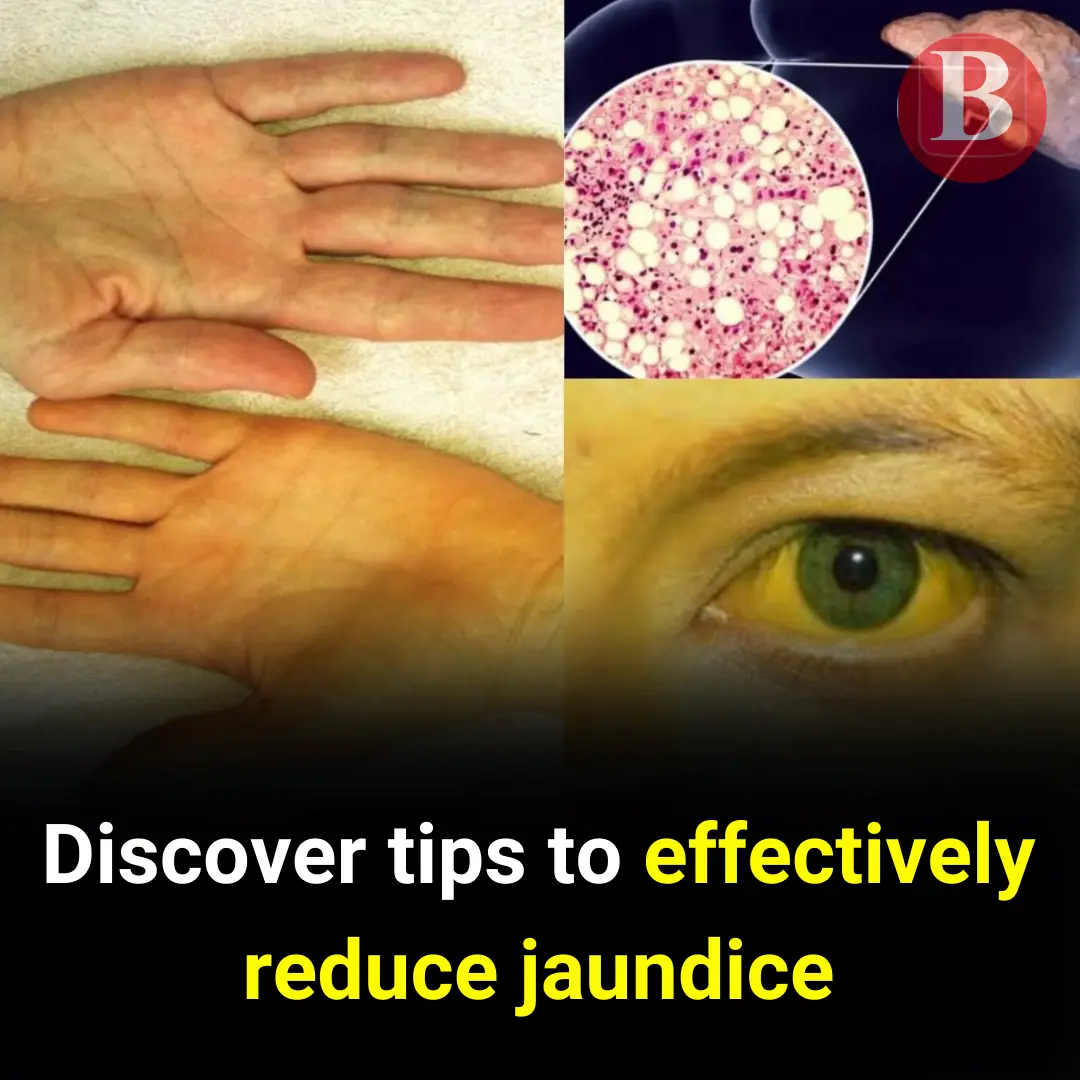
How to Reduce Jaundice Effectively
1. What is jaundice?
- Jaundice occurs when the skin, mucous membranes, and whites of the eyes turn yellow due to increased bilirubin levels in the blood.
- Bilirubin is a breakdown product of hemoglobin in red blood cells, normally processed and eliminated by the liver through stool and urine.
- When this process is disrupted, bilirubin accumulates in the body, leading to jaundice.
2. Causes of jaundice:
- Liver problems: Hepatitis (caused by viruses, alcohol, drugs, or autoimmune diseases), cirrhosis, fatty liver, and liver cancer can impair the liver’s ability to process bilirubin.
- Bile duct obstruction: Gallstones, tumors, strictures, or inflammation of the bile ducts can block bile flow, leading to bilirubin buildup.
- Hematologic disorders: Hemolytic anemia and other red blood cell disorders increase red blood cell breakdown, raising bilirubin levels.
- Side effects of medications: Some drugs may cause jaundice.
- Other causes: Genetic disorders like Gilbert's syndrome and Crigler-Najjar syndrome affect bilirubin metabolism.
3. Ways to reduce jaundice:
- Healthy diet:
- Increase fiber-rich foods like leafy greens, fresh fruits, and whole grains to support liver detoxification.
- Limit fatty and sugary foods to reduce liver strain.
- Stay hydrated: Drink at least 8 glasses of water daily to help the body eliminate toxins and lower bilirubin levels.
- Use natural herbs:
- Milk thistle contains silymarin, an antioxidant that protects and enhances liver function.
- Turmeric contains curcumin, which has anti-inflammatory properties and supports liver health.
- Regular exercise: Activities such as walking, jogging, and yoga help maintain a healthy weight and improve liver function.
- Routine health check-ups: Regular screenings help detect liver problems early and prevent jaundice complications.