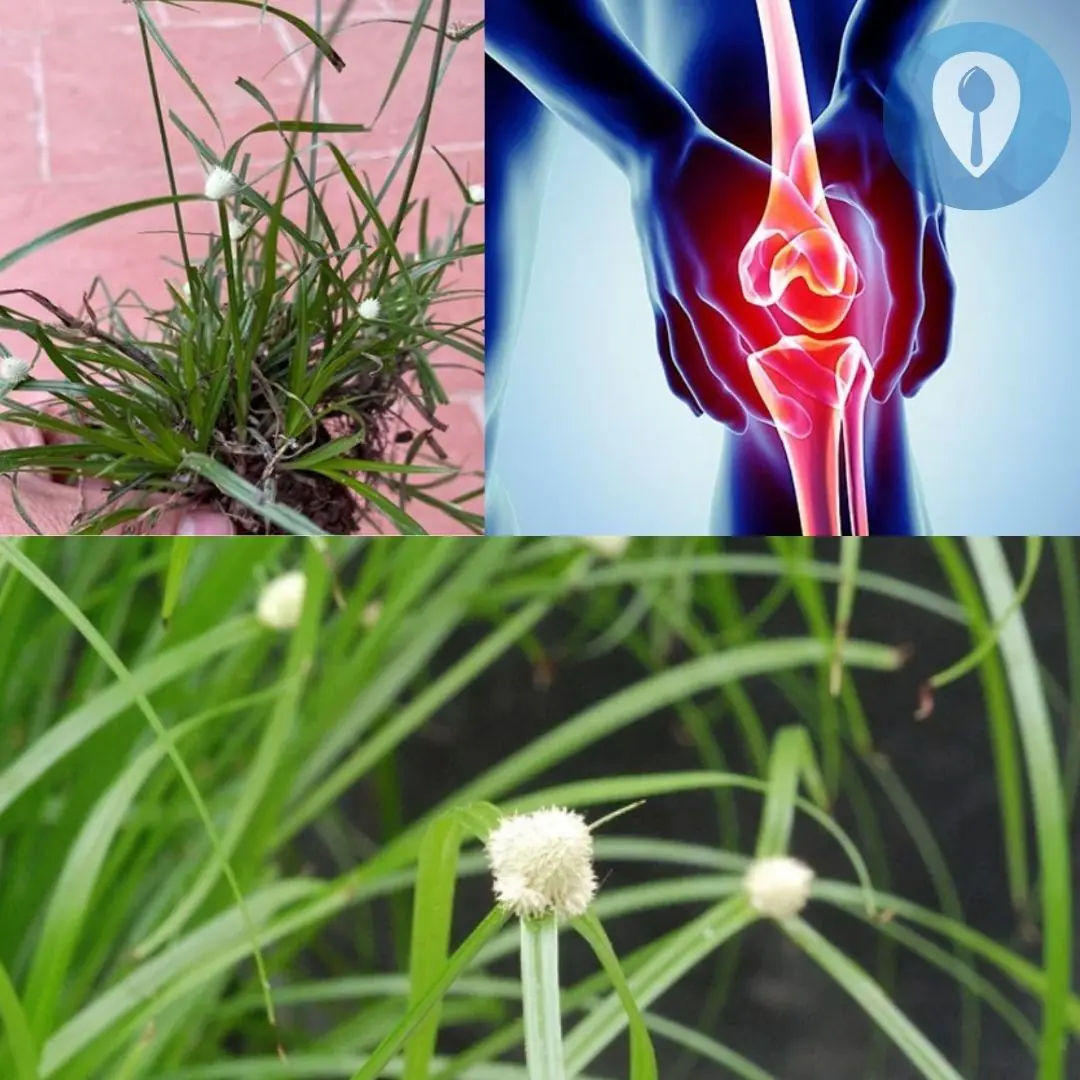
Kyllinga brevifolia, also known as green kyllinga or shortleaf spikesedge, is a hardy grass-like plant in the sedge family. Traditionally, it has been used in herbal medicine for its various health benefits. This plant is native to tropical and subtropical regions and is known for its unique therapeutic properties. Below are some of the potential benefits of Kyllinga brevifolia and ways to incorporate it into a wellness routine.
Health Benefits of Kyllinga brevifolia
- Anti-inflammatory Properties
- Kyllinga brevifolia has compounds with anti-inflammatory effects, making it useful for reducing inflammation. It may help with conditions related to inflammation, such as arthritis and other joint issues, as well as skin inflammations.
- Antimicrobial Activity
- Research has shown that Kyllinga brevifolia has antibacterial and antifungal properties. It can help combat bacterial infections and may be beneficial in treating skin issues caused by bacterial or fungal infections.
- Digestive Health Support
- Traditionally, this plant has been used to relieve digestive issues like stomach upset, indigestion, and gas. The plant may help improve overall digestive health and soothe gastrointestinal discomfort.
- Pain Relief
- Kyllinga brevifolia is known for its analgesic properties and can be used as a natural pain reliever. It has been used in traditional medicine to reduce pain associated with muscle soreness, headaches, and other ailments.
- Antioxidant Properties
- The plant is rich in antioxidants, which help combat oxidative stress and protect cells from damage caused by free radicals. This can contribute to overall health, prevent chronic diseases, and slow down aging.
- Potential Diuretic Effect
- Kyllinga brevifolia has a mild diuretic effect, which can help promote urine production and aid in flushing out toxins from the body. This can be beneficial for kidney health and may help reduce water retention.
- Respiratory Health Support
- The plant has been used to relieve respiratory ailments, such as coughs, colds, and asthma. It helps soothe the respiratory tract and may relieve symptoms associated with these conditions.
How to Use Kyllinga brevifolia
1. Herbal Tea
- Ingredients: Fresh or dried Kyllinga brevifolia leaves or roots
- Instructions:
- Boil a cup of water and add a teaspoon of dried leaves or a small handful of fresh leaves/roots.
- Let it simmer for 10-15 minutes, then strain and drink.
- Benefits: Drinking Kyllinga tea may help with digestive health, inflammation, and respiratory issues.
2. Topical Application for Skin Health
- Preparation: Make a paste by grinding fresh leaves with a little water.
- Application: Apply the paste to the affected area for skin infections, rashes, or inflammation.
- Benefits: This can help reduce skin irritation, swelling, and bacterial or fungal infections.
3. Poultice for Pain Relief
- Preparation: Warm fresh Kyllinga leaves and crush them to create a poultice.
- Application: Place the poultice on sore muscles or joints to alleviate pain and reduce inflammation.
- Benefits: Provides natural pain relief and soothes sore areas.
4. Decoction for Respiratory Health
- Ingredients: Fresh or dried Kyllinga roots
- Instructions: Boil the roots in water for about 20 minutes, strain, and consume the decoction.
- Benefits: Helps with respiratory issues by soothing the throat and relieving cough.
5. Powdered Supplement
- Kyllinga brevifolia can be dried and ground into a fine powder. It can be taken in small doses by mixing with water, honey, or other herbs.
- Benefits: May support digestive health, reduce inflammation, and boost overall immunity.
Precautions
- Moderation: As with all herbs, Kyllinga brevifolia should be used in moderation.
- Consultation: Consult a healthcare provider before using Kyllinga brevifolia, especially if pregnant, breastfeeding, or on medication.
- Allergic Reactions: Always do a patch test when using it topically to ensure there is no allergic reaction.
Kyllinga brevifolia is a versatile medicinal plant with a range of health benefits, particularly for inflammation, pain relief, skin health, and respiratory issues. By making teas, poultices, or topical applications, you can incorporate this plant into your wellness routine. Always use it responsibly and consult with a healthcare professional if you have underlying health concerns.