Nobody Expected Punch to Turn This Small Box Into a Full Adventure
Punch Turned a Tiny Cardboard Box Into the Cutest Little Tank Ever
News 26/05/2026 10:26
A man who developed a deadly blood infection was left in a coma and declared brain dead after trying to remove an ingrown hair from his leg.
Steven, whose last name and age have not been revealed, was diagnosed with potentially fatal sepsis as a result of the infection in late 2022, according to TikTok videos posted by his sister, Michelle.
Sepsis is an extreme reaction by the body's immune system to an infection. Nicknamed the 'silent killer,' it can rapidly trigger a host of life-threatening complications including organ failure and, if untreated, death.
Steven developed the condition as a result of an infection he contracted while attempting to remove the ingrown hair from his groin area.
The septic shock led to a range of alarming complications including blood clots, pneumonia, organ failure and the lung condition ARDS - acute respiratory distress syndrome.
Doctors then discovered the septic bacterial infection had reached his heart and 'destroyed it,' Michelle said, but he couldn't undergo surgery because his condition was too critical.
Due to all the complications, Steven, a husband and father, was intubated and placed in a medically induced coma to try and allow his body to heal.
Michelle said doctors declared him brain dead and gave him a four percent chance at survival.
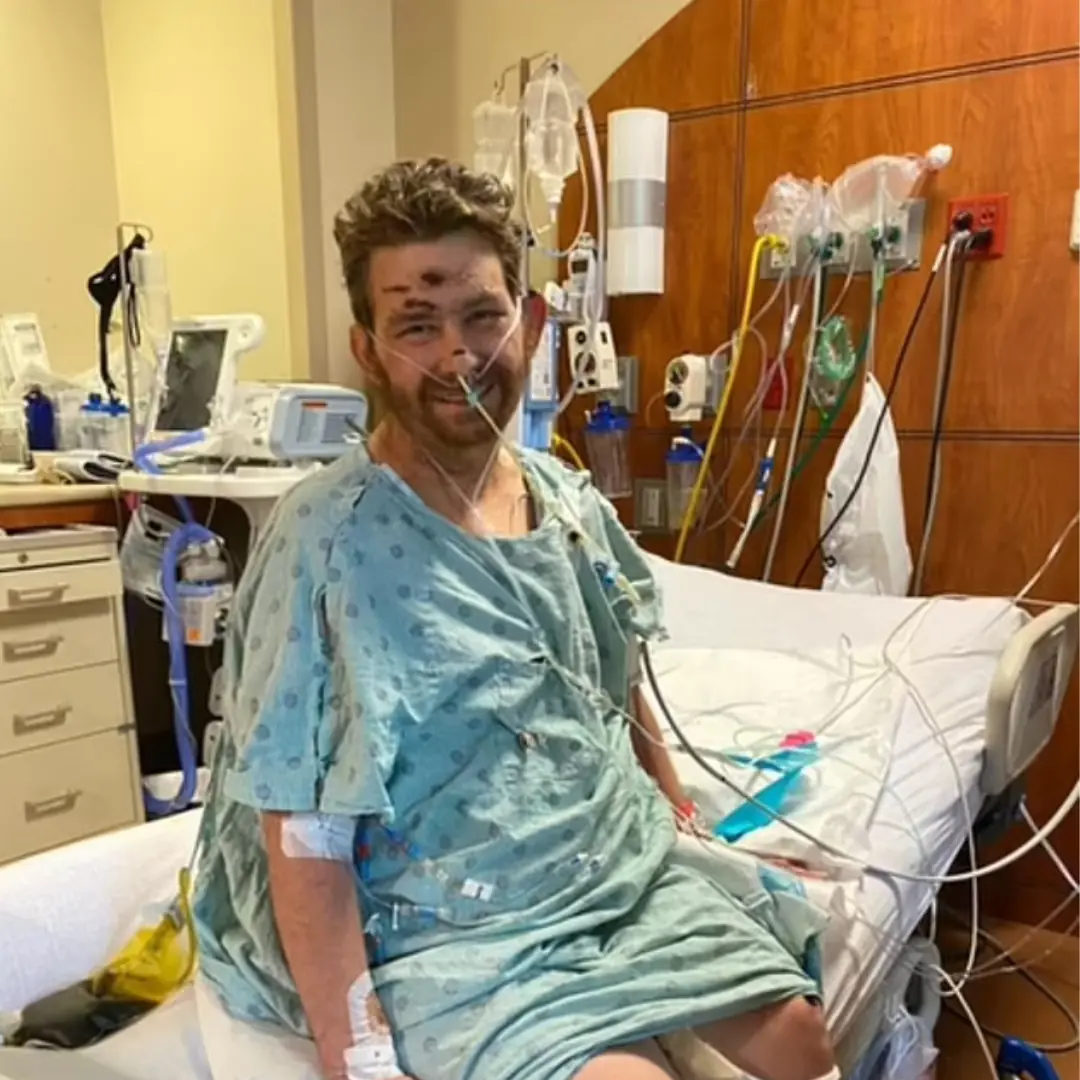
But after a month and a multitude of procedures and treatments, Steven emerged from his coma with no brain damage and has since nearly fully recovered.


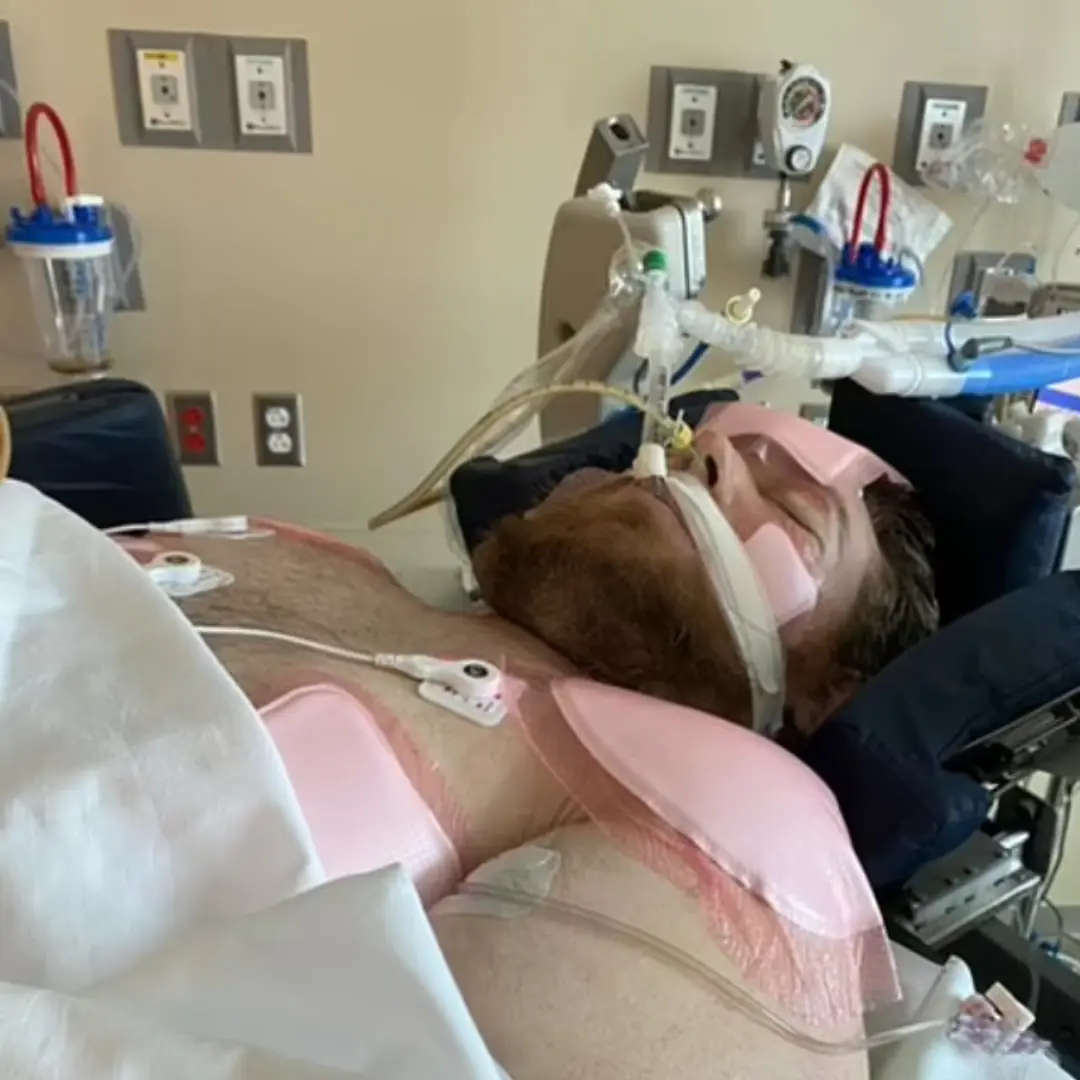
Sepsis is extremely difficult to recognize and diagnose, and affects approximately 1.7million Americans every year, according to the Association of American Medical Colleges.
It occurs when the body's immune system responds to an infection or bacteria and goes into overdrive, setting off a series of reactions that can lead to organ failure.
It is not clear how long Steven waited for a diagnosis of sepsis, and at what point it developed.
Sepsis is the third most common cause of death in US hospitals and kills nearly 270,000 people a year, the CDC reports. It costs the healthcare system an estimated $62billion a year.

While diagnosing the condition can be difficult, it is often treatable when caught early enough and a patient is given strong antibiotics.
For every hour a septic patient is not given treatment, the risk of death increases by four to nine percent.
Bacterial infections are usually to blame, but viruses like Covid and the flu — which do not respond to antibiotics — can also lead to sepsis.
Symptoms include extremely high or low body temperature, mental decline and confusion, severe pain and shortness of breath.
Throughout the month Steven was in a coma, he underwent numerous therapies to treat his illnesses.
To help with ARDS, he was strapped to a specialized hospital bed that rotates - a rotobed - and turned over 'similar to roasting a pig over a fire,' Michelle said.
He would spend nearly 18 hours a day turning from his back to chest, which improved the flow of oxygen to his lungs.
Steven underwent open heart surgery to repair damage done to the organ from the sepsis.
Doctors also inserted drains into his chest to remove excess fluid that was putting pressure on his heart and lungs - removing more than a gallon of fluid.
It was approximately a month and several surgeries later that Steven was able to breath on his own and have his coma reversed.
Showing no signs of brain damage, Steven has nearly fully recovered from his journey and has returned home. Michelle has shown in several videos he is able to walk and talk and is enjoying his favorites hobbies again.
Punch Turned a Tiny Cardboard Box Into the Cutest Little Tank Ever

From Rejected to Loved: Little Punchy’s Emotional Journey Finally Comes Full Circle

In His Own Little World: How a Toy Helped a Baby Macaque Heal

Not Rejection, But Protection: What Punch the Monkey Teaches Us About Fear and Trust

3 Months vs. 9 Months: A Beautiful Reminder That Some Things Never Change

More Than Caretakers: The Quiet Love That Turned Into Family at Ichikawa Zoo

From Storms to Smiles: Understanding the Emotional Seasons We All Go Through

When Safety Becomes Home: The Meaning of Truly Belonging 🌿

How Trust Is Built Slowly—and Why It Lasts So Deeply

The Power of Stillness: What Punchy Teaches Without Words

Not Through Words, But Through Staying: A Story of Trust and Connection

A Small Act of Care Before a Sweet Moment with Momo-chan

Even When Everything Was Shaking, Punchy Never Let Go

Sometimes We Don’t Notice the Signs Until They Become Loud

Little Punchy’s Transformation: From Hiding in Fear to Exploring with Confidence

Punch – The Baby Monkey Who Found Comfort in a Toy

What Do You Really See When You Look Into Punchy’s Eyes?

A Monkey, a Toy, and a Question About Emotion: What Is Punchy Really Feeling?

The Lonely Monkey Who Treated a Toy Like Family—Punch’s Emotional Story

The Untold Truth: How Bullying Affects a Monkey
Doctors Explain the Pros and Cons of Eating Bananas Before Sleep

Persistent Itching Can Have Many Causes - These 9 Patterns May Require Further Evaluation
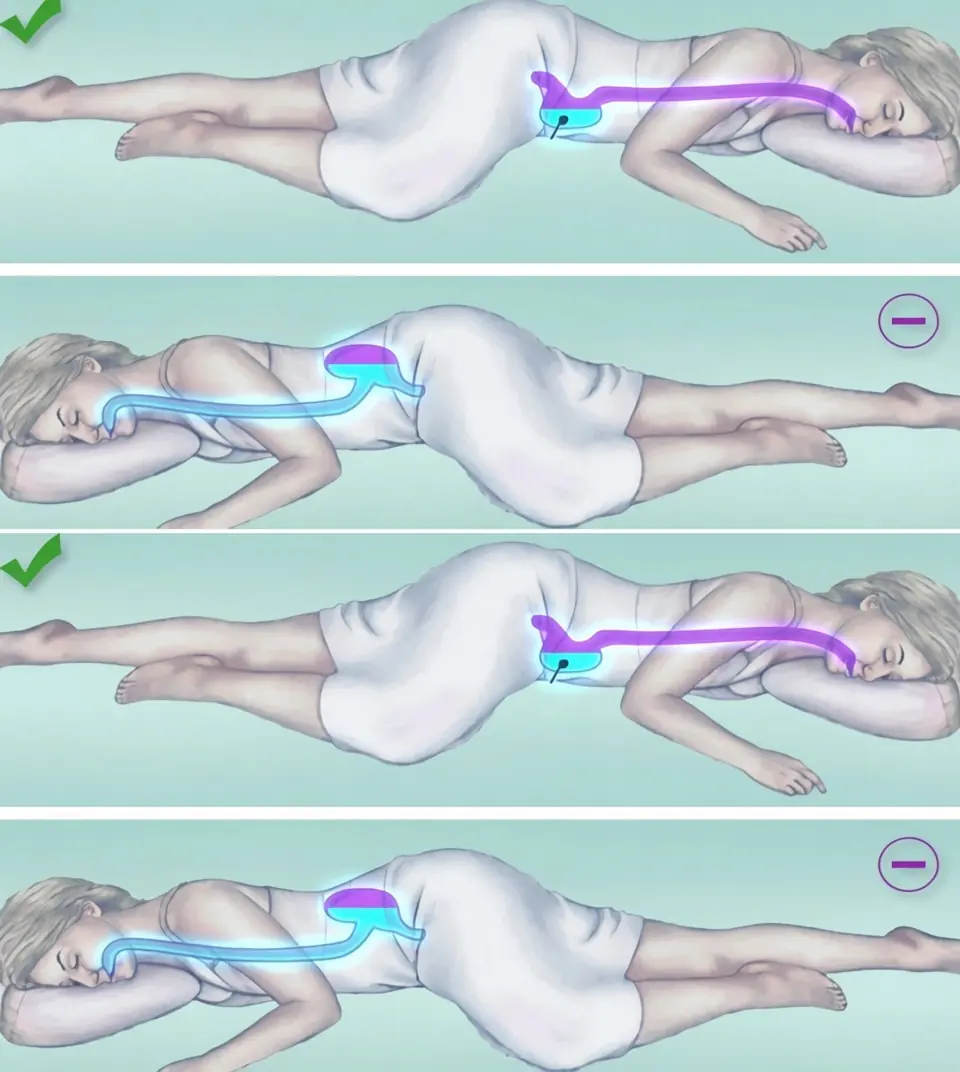
Left-Side Sleeping: The Health Benefits You May Not Know About
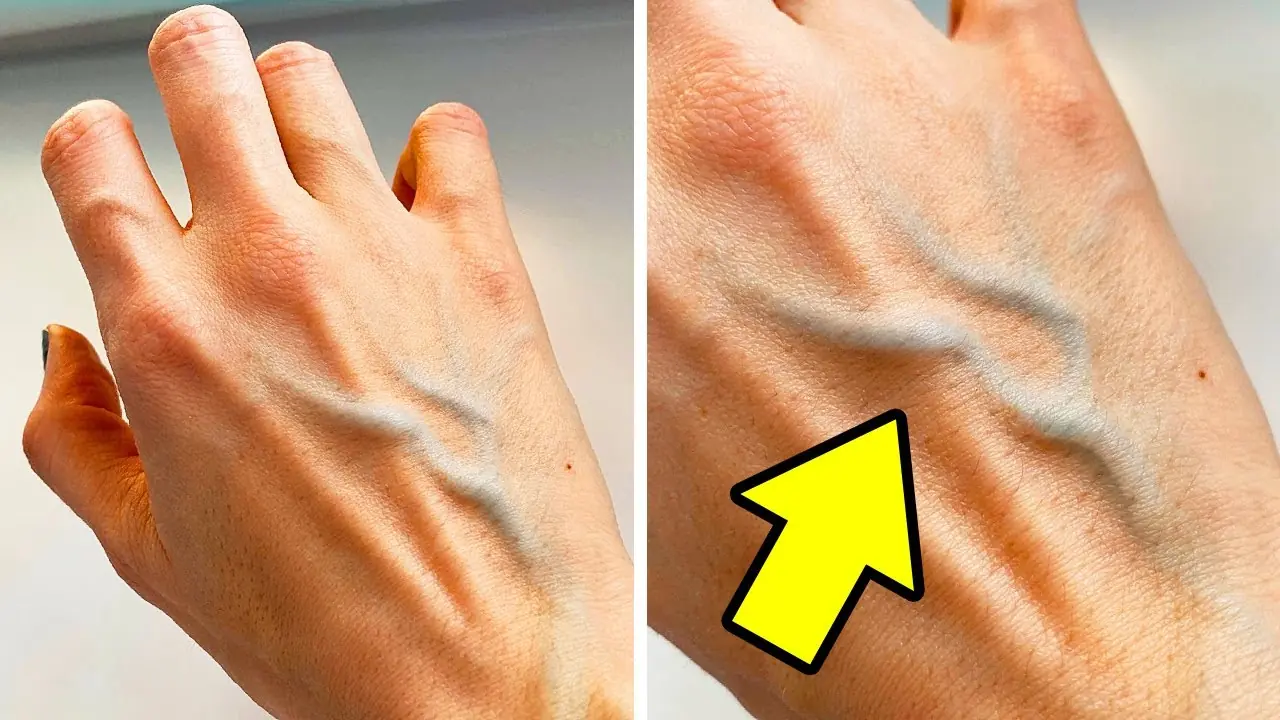
Many People Have Visible Veins Without Knowing Why… See More 👇

Most People Don't Know What These White Bumps Really Mean… See More 👇

Your Stomach May Be Trying to Warn You — 15 Symptoms You Shouldn't Ignore 👇
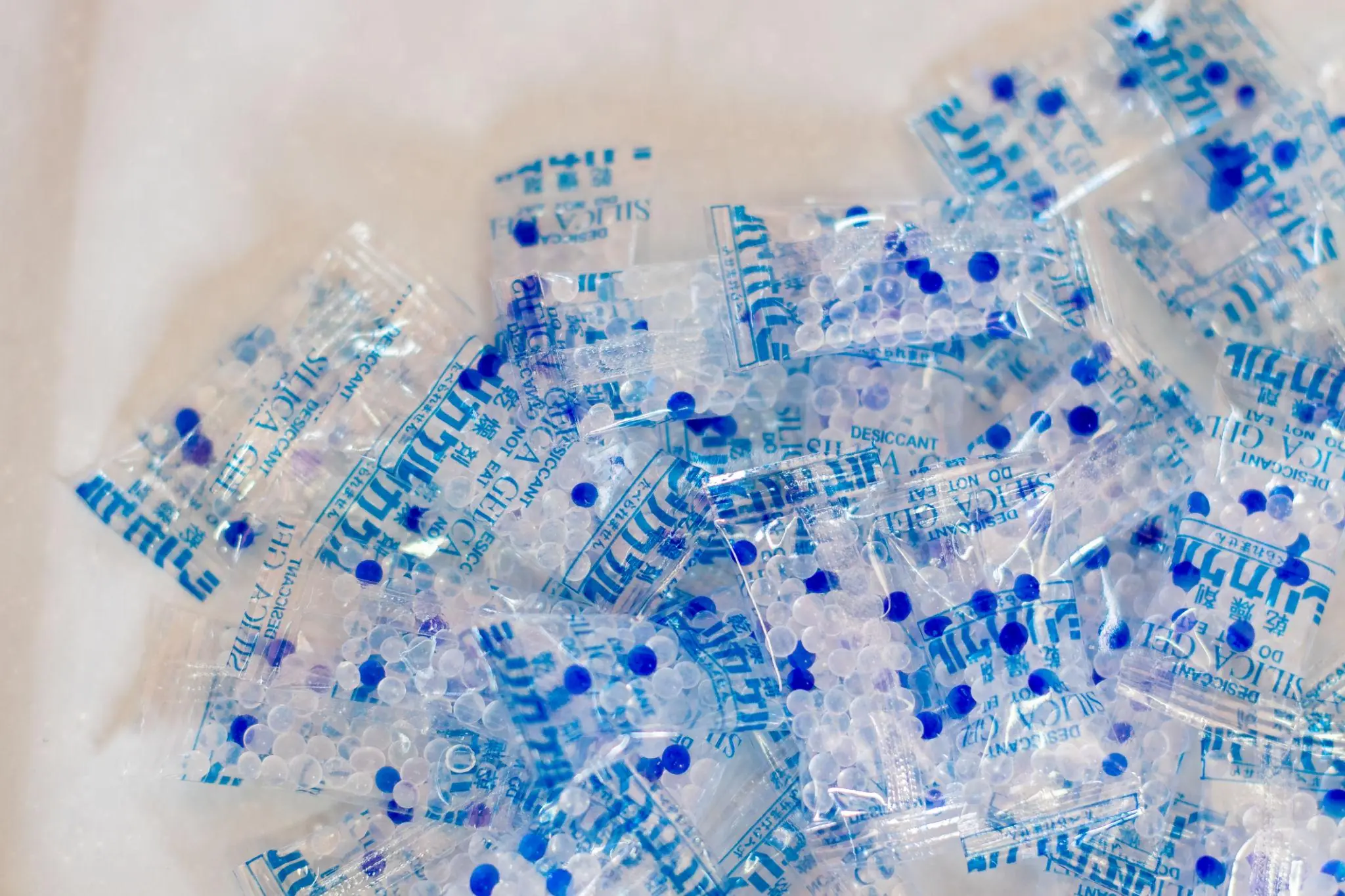
Those tiny silica gel packets are far more useful than most people realize
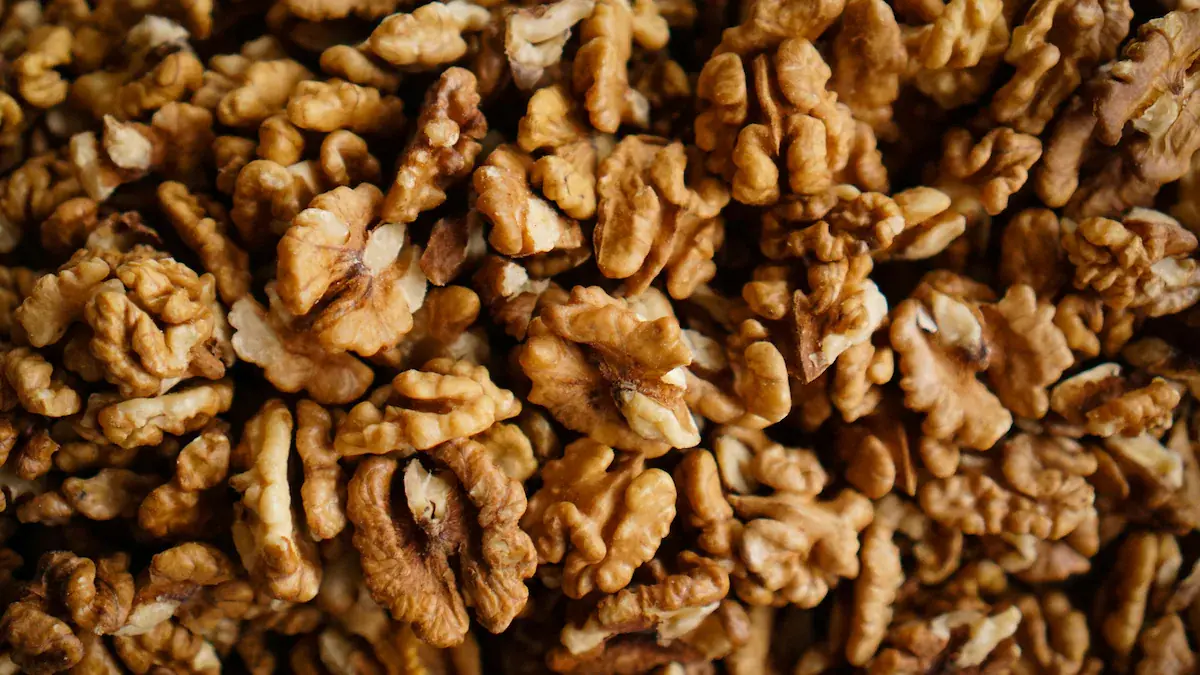
🧠 Why Walnuts Are Getting Attention From Health Experts 👇👇
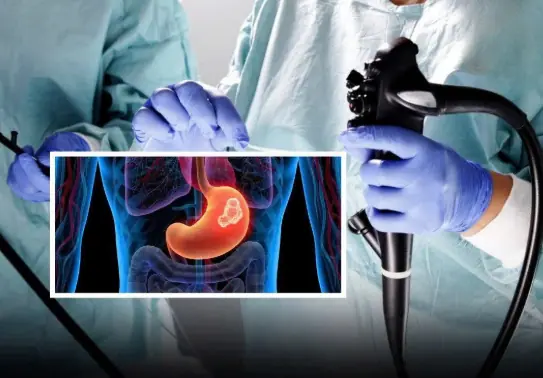
Most Stomach Cancers Are Detected Late: 5 Symptoms After Meals You Should Never Ignore
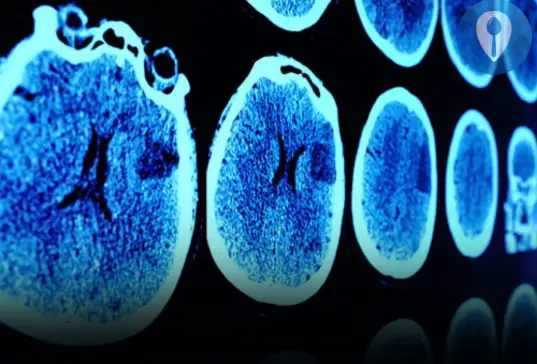
Most Stomach Cancers Are Detected Late: 5 Symptoms After Meals You Should Never Ignore

Sweet potatoes are root vegetables that have been cultivated for thousands of years.

Sweet potatoes are root vegetables that have been cultivated for thousands of years.
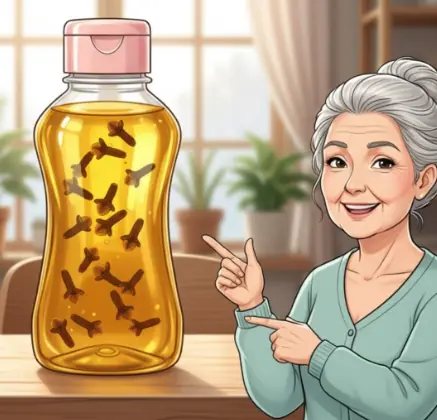
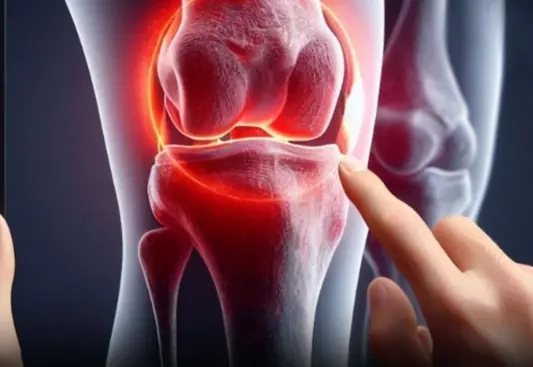
Below are six types of foods and drinks that are commonly associated with undermining bone health by increasing calcium excretion or interfering with its absorption. Regularly consuming large amounts of these can potentially weaken bones over time. As alw
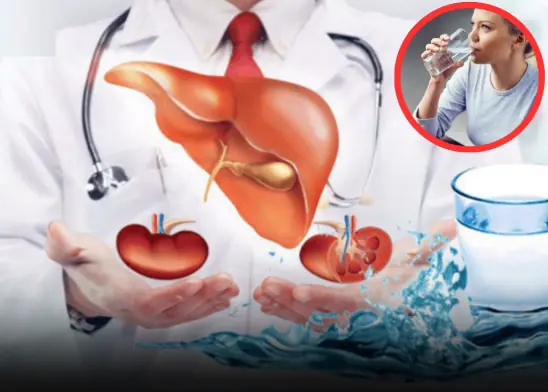

However, the timing of your bath - especially hot baths or showers
Most people associate lung disease with coughing, chest pain, or shortness of breath.
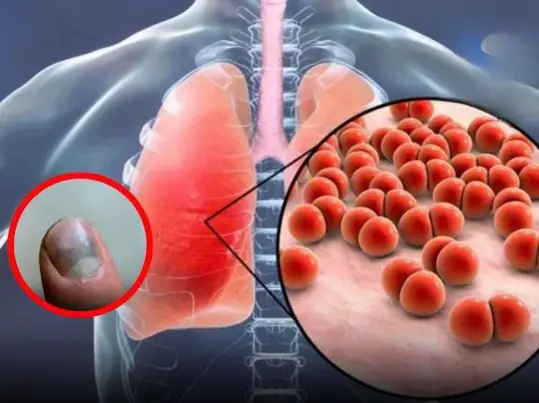
Most people associate lung disease with coughing, chest pain, or shortness of breath.