Midnight Phone Reach Leaves Woman Paralyzed on One Side: Doctors Urge the Public Not to Ignore Early Warning Signs
A shocking medical case has raised alarms among neurologists: a woman suddenly developed hemiplegia (paralysis of half her body) simply from turning over in bed to grab her phone in the middle of the night. Doctors emphasize that while the trigger seemed minor, the underlying cause was extremely dangerous—and could happen to anyone who overlooks early symptoms.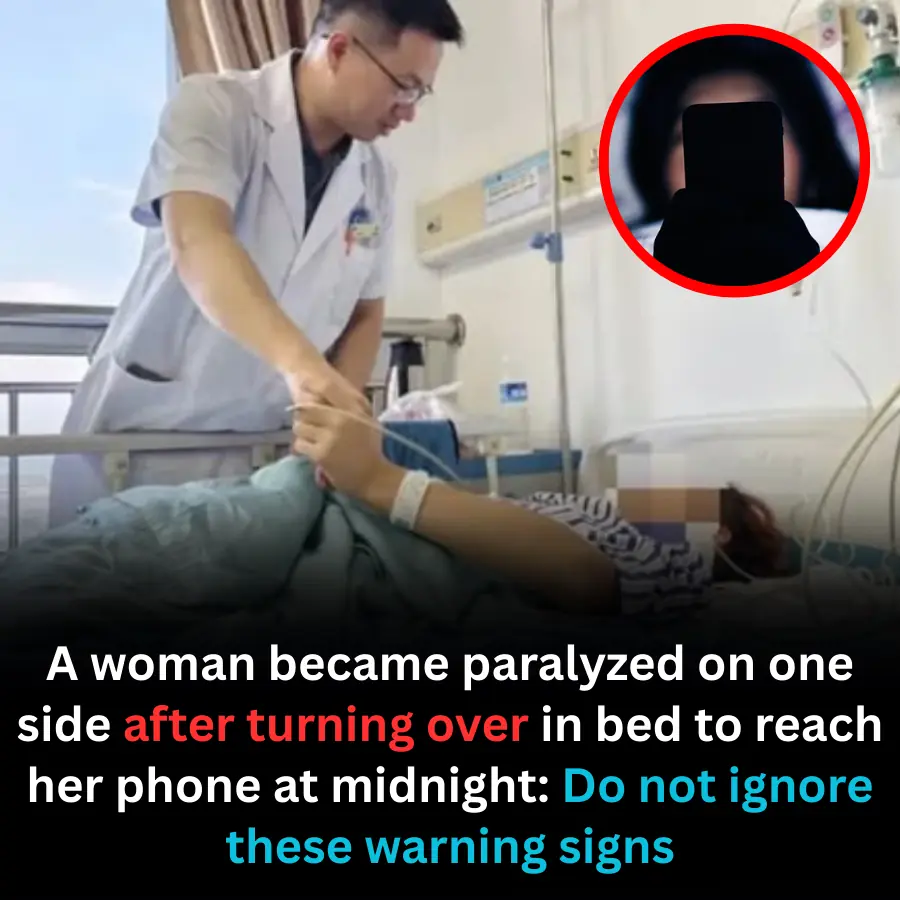
A Simple Movement Unmasked a Life-Threatening Condition
According to hospital reports, the woman woke up around midnight to check her phone. As she twisted her upper body to reach it, she suddenly felt:
-
Sharp dizziness
-
Weakness on one side of her body
-
Difficulty speaking
-
Numbness in her arm and leg
Within minutes, she could no longer move half of her body.
Her family rushed her to the emergency department, where doctors confirmed she had suffered an acute ischemic stroke.
Why Such a Small Action Triggered a Stroke
Neurologists explain that the movement itself was not the cause—it merely triggered symptoms of an already developing blockage in the brain’s blood vessels.
Key contributing factors included:
-
Long-term high blood pressure
-
High cholesterol
-
Poor sleep habits
-
Staying up late and using her phone frequently
-
Neck strain from prolonged screen use
These conditions narrow blood vessels over time, making blood flow unstable. When she twisted her neck and upper body, it momentarily altered blood circulation to the brain, revealing a severe underlying blockage.
Warning Signs People Often Ignore
Doctors warn that the woman had already shown subtle symptoms days earlier, but dismissed them as tiredness:
-
Occasional numbness in the fingers
-
Sudden episodes of dizziness
-
Brief slurred speech
-
Neck stiffness
-
Persistent headaches
These signs are characteristic of transient ischemic attacks (TIAs)—mini-strokes that precede a major stroke.
Had she sought medical attention earlier, her paralysis might have been prevented.
Who Is Most at Risk?
Individuals with the following conditions must be especially cautious:
-
High blood pressure
-
Diabetes
-
High cholesterol
-
Sedentary lifestyle
-
Poor sleep patterns
-
Excessive screen use
-
Smoking
People over 50 are at the highest risk, but doctors note that strokes are increasingly seen in younger adults due to lifestyle factors.
How to Recognize a Stroke Immediately (FAST Rule)
Medical experts urge everyone to memorize the FAST guideline:
-
F – Face: One side droops
-
A – Arms: One arm drifts downward
-
S – Speech: Slurred or incoherent
-
T – Time: Call emergency services immediately
Every minute of delay increases brain damage.
Prevention Is Better Than Cure
Doctors recommend:
-
Maintaining stable blood pressure
-
Avoiding late-night screen use
-
Taking breaks from phone and computer work
-
Sleeping 7–8 hours per night
-
Exercising regularly
-
Managing cholesterol and blood sugar
-
Seeking medical attention for any unusual numbness or dizziness
Stroke is preventable—and early detection saves lives.