Stomach can.cer, also known as gastric cancer, remains one of the leading causes of cancer-related deaths worldwide. While factors such as diet, smoking, alcohol consumption, and Helicobacter pylori infection are well-established risks, researchers have also explored a less obvious factor: blood type.
Over the years, multiple large-scale studies have suggested that certain blood types may be associated with a higher or lower risk of developing stomach cancer. This has led to headlines claiming that one blood type is “most at risk.” But what does the science actually show?
Let’s break it down clearly and responsibly.
The Blo.od Type Linked to Higher Stomach Can.cer Risk
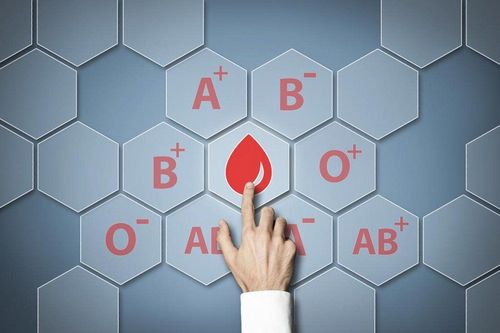
According to several epidemiological studies, people with blood type A appear to have a higher risk of developing stomach cancer compared to those with other blood types.
Key findings from research:
-
Individuals with blood type A have a moderately increased risk of gastric cancer
-
People with blood type O tend to have a slightly lower risk
-
Blood types B and AB fall somewhere in between
It’s important to emphasize that blood type alone does not cause cancer. It is a risk modifier, not a diagnosis.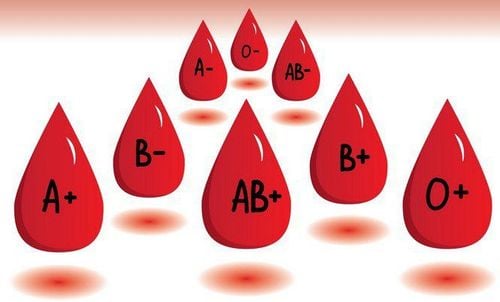
Why Might Blood Type A Be More Vulnerable?
Researchers believe the association may be linked to how blood type influences the body’s immune response and interaction with certain bacteria.
1. Interaction With Helicobacter pylori
H. pylori is a bacterium strongly linked to stomach cancer. Studies suggest that:
-
Blood type A may allow H. pylori to adhere more easily to the stomach lining
-
This can lead to chronic inflammation, which increases cancer risk over time
Chronic inflammation is a well-known pathway in cancer development.
2. Differences in Immune Response
Blood group antigens affect how the immune system responds to infections and abnormal cells.
In people with blood type A:
-
Immune response to gastric inflammation may be less efficient
-
Persistent irritation of the stomach lining may occur
-
Long-term damage increases the chance of malignant changes
3. Gastric Acid and Mucosal Protection
Some studies suggest blood type may influence:
-
Levels of stomach acid
-
Strength of the protective mucus layer
Reduced protection makes stomach cells more vulnerable to damage from acid, bacteria, and dietary carcinogens.
How Much Higher Is the Risk?
The increased risk associated with blood type A is modest, not dramatic.
To put it into perspective:
-
Blood type A may increase risk by about 15–25% compared to blood type O
-
Lifestyle and environmental factors have a much larger impact
This means that a person with blood type A who lives a healthy lifestyle may have a lower risk than someone with blood type O who smokes, drinks heavily, or has untreated H. pylori infection.
Other Major Risk Factors for Stomach Cancer
Blood type is only a small piece of the puzzle. The most significant risk factors include:
-
Chronic H. pylori infection
-
Diet high in salty, smoked, or pickled foods
-
Smoking
-
Heavy alcohol consumption
-
Family history of stomach cancer
-
Chronic gastritis or stomach ulcers
-
Low intake of fruits and vegetables
These factors far outweigh blood type in determining actual risk.
Who Should Be More Vigilant?
People with blood type A may want to be especially mindful if they also have:
-
Long-term stomach pain or indigestion
-
Frequent bloating or nausea
-
Unexplained weight loss
-
Loss of appetite
-
A history of stomach ulcers
Early screening and prompt evaluation of symptoms are crucial.
Can You Reduce Your Risk Regardless of Blood Type?
Absolutely. Most stomach cancer cases are preventable.
Practical prevention strategies:
-
Test for and treat H. pylori if present
-
Eat a diet rich in fresh fruits and vegetables
-
Reduce salt, processed, and smoked foods
-
Avoid smoking
-
Limit alcohol intake
-
Maintain a healthy weight
-
Seek medical advice for persistent digestive symptoms
Early detection dramatically improves outcomes.
What Doctors Want People to Understand
Medical experts stress that:
-
Blood type does not determine destiny
-
Having blood type A does not mean you will develop stomach cancer
-
Awareness allows for prevention and early action, not fear
Knowing your risk factors helps you make better health decisions.
Final Thoughts
Scientific evidence suggests that blood type A is associated with a slightly higher risk of stomach cancer, while blood type O appears somewhat protective. However, this risk is relatively small compared to lifestyle, infections, and genetic factors.
The most powerful tools for preventing stomach cancer are still:
-
Healthy habits
-
Early diagnosis
-
Proper medical care
Your blood type may influence risk—but your daily choices matter far more.